Tag: Recommend

  • Is Afrobeats Pushing Creative Boundaries In 2025?

    Is Afrobeats Pushing Creative Boundaries In 2025?

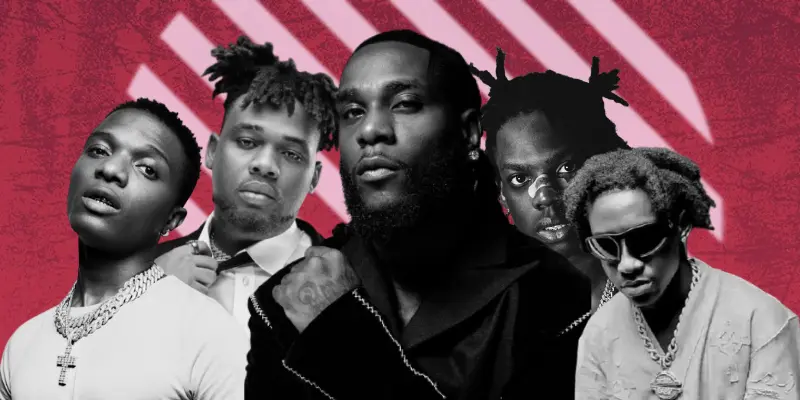
    Cruel Santino has been active on X lately, and his recent tweets have drawn some attention. The Alté frontman’s resurgent social media activity seems to be partly triggered by the brutal criticism of the Alté movement by Nigerian journalist Joey Akan.  

    In one of his latest tweets, Santino raises concerns about the creative progression of Nigerian music (read: Afrobeats) since its meteoric rise to international acclaim and the accompanying influx of Western investment.

    While some may have been quick to dismiss Santino’s comments, a closer look reveals a perspective that should be considered. His concerns about the genre’s lack of creative progression and its connection to commercial success deserve attention.

    Afrobeats has taken the world by storm, with chart-topping hits and collaborations with internationally acclaimed superstars. The genre’s popularity can be attributed to the large Nigerian diaspora, a seemingly insatiable demand for Nigerian music, and the diversification of the global music landscape. 

    However, beneath Afrobeats’ widespread international acclaim lies a concern about its creative progression and evolution. There is a severe lack of innovation, which threatens to stifle the genre’s international acclaim.

    The prolonged reliance on Amapiano is an indicator that most artists would rather adopt what is working than create something new. While Amapiano added a fresh dimension to Afrobeats, the sound eventually became stale, with many artists repeating the same formulas to score hit songs. What’s even more alarming is that many artists failed to recognise the audience’s growing fatigue with Amapiano’s familiar sound and their craving for something new.

    The rise of emerging artists adopting the styles of established acts like Rema, Victony, and Omah Lay is another worrying trend. There is an unfortunate abundance of clones and copycats, especially among new artists. This suggests that many emerging artists are prioritising commercial success over authenticity and originality. While the music is commercially viable, it lacks the creative spark needed to push Afrobeats forward. 

    Fortunately, there are exceptions. Rema’s 2024 album HEIS is a bold example of Afrobeats’ creative potential, combining Afropop with hyperpop and rock. Ayra Starr’s sophomore album also incorporates a range of sounds, including reggae, pop, R&B, folk, and ballads. These artists are driving the genre forward, but they remain in the minority.

    A significant number of artists continue to rely on familiar styles and formulas, which threatens the long-term sustainability of Afrobeats. If the genre does not continue to evolve, the West will eventually move on to the next big thing. 

    READ MORE: Burna Boy: Why Stage Crashing Needs To Stop In The Afrobeats Ecosystem

    So, how can Afrobeats progress creatively? The key lies in experimentation. Artists must be willing to take risks and explore new sounds. The genre has proven to be malleable, and incorporating elements from other styles is a way forward. Fans must also be open to experimentation from their favourite artists. This means embracing new sounds and styles even if they don’t resonate immediately. A prime example is the initial reception of HEIS.

    The album was met with scepticism and harsh criticism on X upon its release. However, as time passed, its innovative nature and Rema’s bold artistic vision won people over. This highlights the importance of giving artists the freedom to experiment rather than judging their work solely based on previous releases or first impressions.

    Revisiting traditional music styles and exploring Nigeria’s rich cultural heritage can also contribute to Afrobeats’ growth. While there has been a notable increase in artists exploring their indigenous influences, there’s a range of unconventional and traditional Nigerian instruments, sounds and styles yet to be explored and a wealth of sonic inspiration waiting to be tapped. By diving deeper into this cultural treasure trove, artists can not only uncover new sounds but also showcase the incredible diversity and creativity of Nigerian music.

    We must also explore the rich musical heritage of Africa. The success of Amapiano, a genre from South Africa, demonstrates the potential for cross-cultural exchange and innovation. Yet, we’ve barely scratched the surface of the musical wealth that exists from Central to Northern Africa. By exploring these untapped sounds, we can also add depth and complexity to our music and also mine the musical gold we have at our disposal.

    For Afrobeats to maintain its global success, prioritising experimentation and innovation is crucial. The future of the genre depends on its ability to keep evolving, and it is up to artists and producers to drive this creative progression. The future of Afrobeats isn’t just in its commercial success—it’s in its ability to remain fresh, bold and daring.


  • Kash Money Review:  A Chaotic Misfire That Should Have Stayed On Pape

    Kash Money Review:  A Chaotic Misfire That Should Have Stayed On Pape

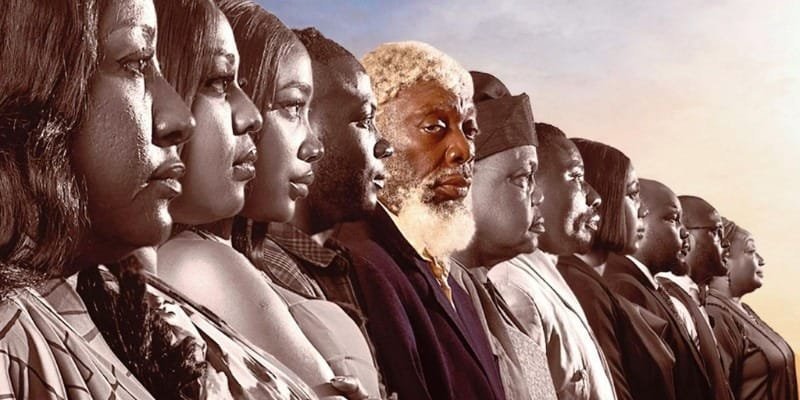
    Insignia Productions delivers a Kenyan mini-series, Kash Money, directed by Philippe Breeson. This drama follows a ruthless kingpin who built his empire on blood, power, and unshakeable ambition. But with every rise comes a fall, and his past sins soon come knocking. Surrounded by enemies lurking in the shadows, his empire begins to crumble when he dies, devoured by those who once swore loyalty. Will he outmanoeuvre his foes, or will his legacy be lost to the vultures?

    Plot

    At the heart of it all is Joe Njenga—a wealthy man with a daughter, a new wife, and a ruthless desire to expand his empire. But behind the glitz and glamour, the Njengas are anything but ordinary.

    Blinded by greed, Joe murders a landowner to secure prime property for an upcoming motorway, aided by a corrupt governor who ties their shady deal to an arranged marriage between her son, Shadrack, and Joe’s daughter, Kate. But Kate has no interest in this scheme—she dreams of building a textile empire, much to her father’s disapproval. Meanwhile, she harbours a secret affair, only for Joe to catch them in the act—revealing a horrifying truth: her lover, Njagi, is her cousin.

    READ MORE: 9 Exciting African Movies To Look Out For In 2025

    Joe’s wife, Gina, has her own skeletons in the closet, including a dangerously obsessed lover who will stop at nothing to claim her. When she unexpectedly falls pregnant, the question is not about who the father is but how she is going to use the unborn child as leverage.

    Then there’s Christian—a man haunted by a criminal past and raising a daughter under the watchful eye of his aunt. His world shatters when ruthless men from his past force him into a deadly ultimatum: assassinate Joe Njenga or lose his child. But just as he prepares to pull the trigger, he discovers someone else got to Joe first. The real shocker? Joe was his father all along.

    With Joe dead, his empire is ripe for the taking, and his last will sends shockwaves through the family. Against all odds, the bulk of his fortune goes to his newly discovered son, Christian—setting off a war for power. Bitter enemies Gina and Kate suddenly find common ground in their greed, joining forces to crush Christian. But as alliances shift and betrayals unfold, one thing is clear: a familiar face has been playing everyone, hiding in plain sight. And this snake in the grass is not just a deceiver but a killer.

    Cast

    Kash Money features Amara Tari, Sanaipei Tande, John Sibi-Okumu, Janet Mbugua, Morris Mwangi, Oliver Litondo, Lenana Kariba, Shiv Singh, Dedan Juma, and many more.

    Unfortunately, what should have been a compelling drama feels disappointingly hollow.

    Kash Money Review
    Kash Money [Credit: Mpasho]

    The performances lack depth, making it painfully obvious that the actors merely recite lines rather than embodying their characters. The chemistry is nonexistent, the emotional weight feels forced, and the entire production suffers from a lack of authenticity. Whether this is due to weak scriptwriting, uninspired direction, or simply a lack of passion from the cast is anyone’s guess—but the result is an underwhelming viewing experience that fails to live up to its potential.  

    For a series that revolves around crime, betrayal, and high-stakes drama, Kash Money should have been gripping. Instead, it struggles to make an impact, leaving audiences detached from the story and its characters.
    Language

    Kash Money was performed in Swahili, Sheng, and English.

    Summary

    From the plot to the costumes, cast, and overall production, Kash Money falls embarrassingly short of expectations. It’s hard to say which was worse—the flimsy storyline or the lousy film poster.

    Right from the first episode, the series tries to do too much too soon, bombarding viewers with an overload of characters, rushed subplots, and excessive gunfire that adds nothing to the story. The trend of introducing every major character in the first episode needs to stop—especially when it results in a jumbled mess rather than a gripping setup.

    READ MORE: Shanty Town Review: Crisp And Violence, To What End?

    Adding to the confusion is an awkward narration by the old man referred to as “Grandpa”—telling children a bizarre, poorly constructed tale. At first, it’s unclear whether he’s recounting the actual chaos of the show (filled with shootings, kinky sex, incest, and unnecessary profanity) or just a random folktale about a trickster in a forest. Either way, it’s a weak and lazy attempt at giving the series a unique twist.

    By the time the series reaches its climax, it becomes clear that Kash Money is never really going anywhere. Joe’s murder of the landowner is left unresolved, characters make cryptic, meaningless statements like “Phase 1 has been completed,” and subplots—such as the Governor and her son—are so underdeveloped they might as well not exist. Even the last-minute poison-laced wine scene feels like a desperate attempt to add intrigue where there is none.

    Ultimately, Kash Money is a disjointed, poorly executed project that never finds its footing. If a second season is in the works, it’s already signing up for failure. Some stories are better left in the writer’s head—and this was definitely one of them.

  • Virgin Music Nigeria Partners With Rain Labs Ghana To Elevate African Talent

    Virgin Music Nigeria Partners With Rain Labs Ghana To Elevate African Talent

    Virgin Music Nigeria has announced a strategic partnership with Rain Labs, a Ghana-based boutique distribution and label services company, to provide enhanced support for African artists. The collaboration aims to bolster the region’s music ecosystem by offering digital distribution, marketing, creative production, and brand partnerships, ensuring African talent reaches a global audience.

    Founded in 2020 in Accra, Rain Labs has been instrumental in elevating independent and emerging artists across Africa. With offices in Accra and London, the company specialises in digital distribution, PR, streaming strategy, and creative production. Its roster includes notable names such as Joey B, Cina Soul, Baaba J, MAUIMØON, Kofee Bean, Ess the Legend, and AD DJ, all of whom stand to benefit from Virgin Music’s extensive global network.

    Virgin Music Group, an independent distribution powerhouse, has long been committed to empowering artists worldwide. Since launching its Nigerian arm in 2023, the company has expanded its influence in Africa, providing artists with global distribution, marketing expertise, and development opportunities. The partnership with Rain Labs further cements its commitment to African music, enabling access to over 128 digital streaming platforms, including Spotify, Apple Music, Boomplay, YouTube Music, and Audiomack.

    READ MORE: Here Are 3 Proven Strategies Afrobeats Music Executives Should Try In 2025

    Albert Donkor, co-founder and lead of Rain Labs, hailed the partnership as a pivotal moment for African music. “Virgin Music Group’s proven track record and global reach align perfectly with our mission. We believe this is the right time to elevate African talent to new heights,” he stated.

    Olukorede ‘Kay’ Ikazoboh, Managing Director of Virgin Music Nigeria, echoed the sentiment, emphasizing Rain Labs’ deep understanding of Africa’s music landscape. “At Virgin Music Group, we are proud to collaborate with a company of this calibre. Together, we aim to harness Rain Labs’ full potential and continue to develop innovative pathways for African artists to shine globally.”

  • Here Are 3 Proven Strategies Afrobeats Music Executives Should Try In 2025

    Here Are 3 Proven Strategies Afrobeats Music Executives Should Try In 2025

    The Afrobeats ecosystem has never been as stiff and competitive as it is today. The pressure to break new artists, build the fanbase of emerging talent, maintain the trajectory of established artists, and consistently generate revenue from catalogues remains the reality for the creative and daring souls working behind the scenes in our multi-billion-dollar industry. Now more than ever, an artist’s or label’s success is not measured solely by the sonic prowess displayed in their records but by the hit songs they produce. Often, this success is gauged by likely inflated streaming numbers, politically and fundamentally flawed awards, and highly exaggerated ticket sales in a bid to join the “sold-out” gang.

    Yet, at the centre of this are artists who do not resist the urge to hastily denounce Afrobeats at any given opportunity on the global stage, as well as ongoing conflicts between artists, labels, music executives, artist beefs, and fan wars. While it is true that the good, the bad, and the ugly have all contributed positively—at least from the perspective of Afrobeats PR, growth, and global dominance—it has not been without challenges.

    As we continue to push for global dominance in 2025, here are a few strategies Afrobeats music executives should try:

    1. Creative Samples

    Before Tems’ Love Me Jeje won the Best African Music Performance category at the 67th Grammy Awards in Los Angeles, Afrobeats artists had been sampling records. While most of these attempts fail to achieve success, quite a few have thrived. Burna Boy—without downplaying his creativity—has been the king of samples, having drawn inspiration from African legends like Fela Kuti and The Afrika 70 on Ye, as well as non-African artists like Toni Braxton on Last Last and Jeremih on City Boys, among others. Other artists like Darkoo, Wizkid, and Davido have also sampled legendary African musicians in their songs.

    READ MORE: 15 African Artists To Watch Out For In 2025

    Nostalgia will always remain a marketing currency in pop culture. This is why remixes, prefixes, and covers continue to excel in today’s world. It also explains why a sample snippet from Rema is currently the most anticipated song of 2025, with over 8.4 million views on Instagram—surpassing his 3.5 million average on other reels—and over 86,000 user-generated reels from the snippet. One of the 32,000 comments on the Is It a Crime? snippet, originally performed by Sade in 1985, from @purple_pastry reads, “It is actually a crime that you have not still dropped this jam!!!!! Ah ah, what is it??! Must we beg you like this?” This not only validates the commercial viability of creative samples in 2025 but also highlights the cultural impact of sampling classic Afrobeats records.

    While sampling foreign records is essential for growth—especially for artists looking to break into new categories—sampling classic Afrobeats records not only provides a ready-made hit song but also introduces a growing fanbase to the roots of the genre the world can’t seem to get enough of.

    2. Joint Projects and Tours

    We know the power of collaboration. It’s like crossbreeding two genetically different animals to create a unique and new breed. This strategy has fuelled the success of many stars today. Whether it involves artists of different levels or those on the same level, the result in most cases is the same—success. But what if we go beyond collaborating on just a song? What if we extend it to full projects and tours?

    Last year, Ruger and BNXN, under Empire, delivered one of the best joint projects in recent years with RnB. Beyond its commercial success, its sonic dexterity is something we’ll always be proud of. These are evergreen records that could easily be sampled and/or interpolated in years to come due to their musical depth.

    3. Popularizing Traditional/Folk Music

    Artists can either sample traditional music—such as Fuji, Highlife, Juju, and more—or create pop versions of these genres. The most financially buoyant fans in the industry today are in their early 30s to late 50s. These are the people who can afford to purchase tables, VVIP tickets, and other premium experiences. They are the ones funding the industry in every sense. Many of them were raised on folk music, and as we know, while we often vibe to popular music in our 20s, we tend to switch back to traditional music in our 30s.

    What if there was a bridge—a blend of both eras? We’ve seen this with Shallipopi’s Obapluto and even his recent snippet Laho, which is already gaining traction on social media as a fusion of Afrobeats and traditional music. Recently, Brain Jotter’s social media content revived Mike Ejeagha’s Ka Esi Le Onye Isi Oche, which currently has over 1.2 million streams on Spotify. Additionally, FirstKlaz is off to a great start in his career by collaborating with the Arewa music band Iliya Entertainment Music—further proving that folk music has room to thrive in 2025, especially if it can be popularised.

  • Where To Watch The Grammy Awards 2025 From Africa

    Where To Watch The Grammy Awards 2025 From Africa

    The 67th Annual Grammy Awards air tonight, honouring the year’s biggest artists and chart-topping hits. With performances from Chappell Roan, Sabrina Carpenter, Cynthia Erivo, Billie Eilish, and more, here’s how to watch the star-studded ceremony live—on cable, streaming, and for free.

    A few weeks ago, the Recording Academy confirmed that the 2025 Grammy Awards will proceed as scheduled despite the devastating wildfires in Los Angeles. CEO Harvey Mason Jr. assured members that this year’s event “will carry a renewed sense of purpose,” as it aims to raise funds to support wildfire relief efforts and honour the bravery of first responders.

    Held again at the Crypto.com Arena in Los Angeles, the awards show will see Trevor Noah return as host for the fifth consecutive year. Beyoncé leads this year’s nominations with 11, followed by Kendrick Lamar, Charli XCX, Billie Eilish, and Post Malone, each earning seven nods. Taylor Swift, Sabrina Carpenter, and Chappell Roan follow closely with six nominations each.

    While Swift is not slated to perform, the 14-time Grammy winner will be presenting an award tonight. Other presenters include Cardi B, Gloria Estefan, Olivia Rodrigo, Queen Latifah, SZA, Victoria Monét, and the Red Hot Chili Peppers’ Anthony Kiedis and Chad Smith.

    READ MORE: Here’s Why The Majors Are Acquiring African Music Companies

    The show will also highlight breakout talent, with six of this year’s Best New Artist nominees—Benson Boone, Chappell Roan, Doechii, Raye, Sabrina Carpenter, and Teddy Swims—set to take the stage. Other performers throughout the night include John Legend, Sheryl Crow, Janelle Monáe, Teddy Swims, and more.

    Broadcast Details

    The event will be broadcast live on CBS from 8 to 11:30 p.m. ET (1 to 4:30 a.m. GMT). For viewers in Africa, the time difference means the live broadcast will occur in the early hours of Monday, February 3, 2025. The ceremony will also be available for streaming on Paramount+.

    Grammy Awards 2025 Viewing Options in Africa

    1. Local Television Networks:

    • DSTV: In previous years, DSTV has aired the Grammy Awards live on channels such as BET Africa and Channel O. Check the current DSTV schedule or contact their customer service to confirm if they will broadcast the 2025 ceremony.
    • National Broadcasters: Some national television stations across Africa may provide delayed broadcasts or highlights of the event. Check local listings for more information.

    2. Streaming Services:

    • Paramount+: The Grammys will be available for streaming on Paramount+. However, availability varies by region. Viewers should verify if the service is accessible in their country and consider subscription requirements.
    • VPN Services: For regions where Paramount+ is not available, some viewers opt to use Virtual Private Networks (VPNs) to access streaming services. This method involves connecting to a server in a country where the service is available. Note that using VPNs may violate the terms of service of some streaming platforms.

    3. Social Media and Online Platforms:

    • Recording Academy’s Official Channels: The Recording Academy often shares live updates, behind-the-scenes content, and highlights on platforms like YouTube, Facebook, and Twitter. While these may not provide a full live stream of the event, they offer real-time insights and coverage.
    https://www.youtube.com/live/Ot6ia8KDi9o?si=8PZXlbnb6Cf3HGAT

    Tips for Viewers

    • Check Local Listings: Broadcasting rights and schedules can change. It’s essential to consult local TV guides or contact service providers ahead of time to confirm availability.
    • Ensure a Stable Internet Connection: If you plan to stream the event online, a strong and stable internet connection is crucial to avoid interruptions.
    • Follow Social Media: Follow official Grammy accounts and relevant hashtags to stay updated with live commentary, winner announcements, and exclusive content.

    By exploring these options, music enthusiasts across Africa can enjoy the 2025 Grammy Awards and celebrate the year’s musical achievements.

  • What You Need To Know About The Nigerian Hip-Hop Scene In 2025

    What You Need To Know About The Nigerian Hip-Hop Scene In 2025

    Ladies and Gentlemen, The Nigerian hip-hop scene is on fire. With a string of scorching hot albums hitting the internet landscape all through 2024, the scene is bubbling and Nigerian rappers are showing up and showing out. 

    What makes this even more exciting is that we are only in February. By all indications, it’s clear that 2025 will be a monumental year for Nigerian rap.

    Nigerian hip-hop has always been a force to be reckoned with. While the incredible commercial success of Afrobeats in recent history has put hip-hop on the sidelines, Nigerian hip-hop continues to boast a rich history of iconic artists and hall-of-fame albums. A history some may argue rivals that of Afrobeats itself.

    Following a brief period where the scene appeared to stagnate, forcing many rappers to pivot to singing to stay commercially viable, the genre has experienced a significant surge. 

    This is thanks to the innovative talents of rappers. Blaqbonez, PsychoYP, Odumodublvck, Shallipopi, and Ladipoe have lit up the mainstream, scoring chart-topping records and number-one albums.

    The remarkable commercial success of these artists has revitalised the hip-hop scene and opened the gates for a new generation of Nigerian rappers to emerge, each bringing their unique style and perspective to the table. 

    READ MORE: Nigerian Producer Jimohsoundz Unveils Debut EP, ‘Lost Files Vol. 1’

    From the lyrical dexterity of Oluwamillar to Zhus Jdo’s graphic bars to the bouncy flows of Caleb Clay to the melodic rap style of Sknny, the range of talent on display is undeniable.

    So, what are some of the standout projects that have dropped in recent times? Let’s take a look:

    Oluwamillar – Agbalabi

    Oluwamillar’s latest album is a masterclass in lyrical storytelling, with Millar delivering razor-sharp bars over a range of eclectic beats. An early contender for rap album of the year, Millar proves he is not a flash in the pan, delivering an exciting rap album deeply rooted in Yoruba culture that resonates with a wide range of listeners.

    Anti World Gangstars – Nothing Changed

    While this album was officially released mid-December during the peak of the Detty December sensation, it took until the turn of the new year for listeners to fully digest this album and appreciate its immense quality. Odumodublvck, Agunna, Fatboy E, Reeplay, and Shagba carry their city on their heads and deliver an explosive and exciting rap project destined to become a cult classic.

    Igho Mike & Mxps Rellington – Sunz On Pegasus

    This collaborative project brings together two of Nigeria’s most exciting young rappers, resulting in a thrilling blend of mellow-aggressive beats and razor-sharp, introspective lyrics. The duo showcase their chemistry and delivers a thought-provoking album.

    KingCap – For Life

    KingCap’s latest offering is a profound and personal exploration of his life’s experiences. This introspective masterpiece delves into the complexities of the rapper’s inner world as he lays bare his struggles, fears, and means of escapism and triumphs. With picturesque storytelling and lyrical complexity, KingCap navigates themes of self-discovery, vulnerability, and resilience, delivering a deeply relatable album.

    Nigerian hip-hop is indeed alive and thriving. With its array of talents at its disposal, the future of the genre looks brighter than ever. If you’re not tapped in already, you’re doing a big disservice to yourself.

  • Meet Ibrahim Rabbaj, Chelsea’s 16-Year-Old   Moroccan Messi

    Meet Ibrahim Rabbaj, Chelsea’s 16-Year-Old Moroccan Messi

    Every season, new talent emerges in the ever-changing world of youth football, but few have Ibrahim Rabbaj’s raw skill, intelligence, and promise. At only 16 years old, this young English forward has already created a reputation for himself in Chelsea FC’s elite academy. Rabbaj, known for his spectacular dribbling, remarkable vision, and outstanding playmaking talents, is quickly emerging as one of English football’s most fascinating young possibilities.

    Early Life and Football Journey

    Born on January 1, 2009, in London, England, Ibrahim Rabbaj’s passion for football was evident from an early age. Growing up in the football-rich environment of England, he displayed an extraordinary ability to control the ball, manoeuvre past defenders, and create goal-scoring opportunities. His natural talent quickly caught the attention of top scouts, leading to his induction into Chelsea FC’s renowned youth academy in 2020.

    Since joining Chelsea, Rabbaj has been honing his skills under the guidance of elite coaches, learning the tactical nuances of the game while developing into a complete forward. His rapid rise through the academy ranks is a testament to his dedication, technical prowess, and relentless work ethic.

    Dominating at Chelsea’s Youth Academy

    Rabbaj’s performances at Chelsea’s youth levels have been nothing short of phenomenal. His playing style, often compared to football icons like Lionel Messi, is characterized by his quick feet, balance, agility, and an uncanny ability to take on defenders with ease.

    In the 2023-2024 season, Rabbaj delivered outstanding performances across multiple age groups:

    • Under-18 Level: Despite being one of the younger players in the squad, Rabbaj showcased maturity beyond his years, contributing significantly with goals and assists that helped propel his team to crucial victories.
    • Under-15 Level: He put up staggering numbers, scoring 52 goals and providing 60 assists in just 40 matches—an astonishing feat that highlights both his goal-scoring instinct and playmaking ability.

    His ability to perform consistently at such a high level has placed him firmly on the radar of not just Chelsea’s first-team coaches but also football analysts and scouts looking for the next breakout star.

    Ibrahim Rabbaj and Hakim Ziyech
    Ibrahim Rabbaj and Hakim Ziyech [Credit: FootballTalentScout]

    What Makes Ibrahim Rabbaj a Standout Talent?

    Several key attributes set Ibrahim Rabbaj apart from his peers and make him an elite prospect:

    1. Dribbling Mastery: His exceptional ball control allows him to weave past defenders effortlessly, making him a constant attacking threat.
    2. Vision and Creativity: Rabbaj has a remarkable ability to read the game, anticipate movements, and create opportunities for teammates with pinpoint passes.
    3. Composure in Front of Goal: Whether finishing from tight angles or converting from distance, his calmness under pressure makes him a lethal goal scorer.
    4. Football Intelligence: Beyond his technical ability, Rabbaj possesses a deep understanding of space, movement, and positioning—qualities that separate good players from great ones.
    5. Work Ethic and Mentality: His relentless drive to improve and determination to succeed suggest that he has the mentality required to reach the highest levels of professional football.
    READ MORE: Meet Nigerian Destiny Kosiso, Barcelona’s 9-Year-Old Mbappé

    Future Prospects: A Path to Stardom

    Given his rapid development and stellar performances, it’s only a matter of time before Ibrahim Rabbaj makes the leap to senior football. Chelsea FC has a rich history of producing world-class talent through its academy, with players like Mason Mount, Reece James, and John Terry having risen through the ranks to establish themselves at the highest level. Rabbaj appears to be following a similar trajectory.

    His next step could involve breaking into Chelsea’s Under-21 squad before earning opportunities to train with the senior team. With his skillset and relentless ambition, it wouldn’t be surprising to see him making his first-team debut in the near future.

    Additionally, Rabbaj’s rise has not gone unnoticed by England’s national team setup. Given his performances at the youth level, he could soon receive a call-up to England’s U17 or U19 squads, paving the way for a potential senior team debut in the future.

    The Road Ahead: Will He Become Chelsea’s Next Superstar?

    As football fans and analysts keep a close eye on his progress, one burning question remains: Will Ibrahim Rabbaj become Chelsea’s next homegrown superstar?

    If he continues to develop at his current rate, there is no doubt that he has the potential to establish himself among the top forwards of his generation. His combination of technical ability, football IQ, and a winning mentality makes him an exciting prospect for Chelsea and English football as a whole.

    Conclusion

    Ibrahim Rabbaj is a name that football fans should remember. At just 16, he has already demonstrated qualities that make him one of the most promising young talents in England. With a bright future ahead, the football world eagerly awaits his next steps—whether it be earning a spot in Chelsea’s first team, making waves in European football, or representing England on the international stage.

  • Meet Nigerian Destiny Kosiso, Barcelona’s 9-Year-Old Mbappé

    Meet Nigerian Destiny Kosiso, Barcelona’s 9-Year-Old Mbappé

    Young star Destiny Kosiso emerges as the next major player in youth football. Nine-year-old Nigerian-born sprinter Destiny Kosiso creates a buzz as he competes at FC Barcelona’s esteemed youth academy La Masia. The growing recognition of Kosiso as one of football’s promising young talents stems from his strong goal-scoring abilities and his resemblance to international soccer great Kylian Mbappé.

    Early Life and Background

    He grew up in Nigeria as the youngest of three Barcelona youth academy brothers including David Obinna and Divine Ikenna. Despite his playing career taking place in the third division of African football, their father remains proud that his sons achieved success within a better league where he highlights his growing star’s attributes.

    His previous development during the important early years formed a base which propelled him to excel in one of football’s premier academy systems.

    A Record-Breaking Performance at La Masia

    The Nigerian football prodigy whose full name is Destiny Kosiso Ejiofor John impresses everyone during his field performances through spectacular achievements. During the 2023-2024 season, Barcelona’s youth programs have depended heavily on Destiny Kosiso who demonstrates elite talent consistently.

    READ MORE: African Players Who Won The Champions League
    • Under-10 Level: The records sit spectacularly when we analyze that he managed to score 100 times in 27 games leading multiple scouts and footie fans to elevate their attention.
    • Under-12 Level: His strong game performance included scoring 31 goals across 14 matches where his team ran an unbeaten run.

    The goal/match statistics demonstrate how Border knows where to shoot while showing his potential for existing at the top level of the sport.

    Playing Style: Fast, Agile, and Deadly in Front of Goal

    One of the defining traits of Destiny’s playing style is his blistering pace. His speed on the field, coupled with his sharp goal-scoring instincts, have led many to draw comparisons to Kylian Mbappé. Destiny’s agility and vision make him a constant threat to opposing defenses, and his ability to make clinical finishes in front of goal sets him apart from many of his peers.

    What Lies Ahead for Destiny Kosiso?

    Destiny Kosiso shines at La Masia creating an optimistic outlook for his forthcoming career in professional football. The comprehensive training program at one of the leading world youth academies allows him to develop his skills so remarkably that top football clubs and scouts naturally become drawn toward him.

    Destiny continues to focus exclusively on his advancement at Barcelona and global football fans await his path toward becoming a recognized international star.

    Conclusion

    People will remember Destiny Kosiso by his name. Using his athletic background alongside La Masia guidance he takes dedicated steps toward becoming a future legend of world-class football. Future fans can already glimpse the development of a legendary figure through every progression during his journey.

  • Are Song Remixes Still Relevant In 2025?

    Are Song Remixes Still Relevant In 2025?

    In recent weeks, social media discussions have revolved around the upcoming remix of Fido’s smash hit Joy is Coming, featuring Kizz Daniel. 

    As the conversations started to cool, another version of the song featuring Wande Coal hit the internet this past weekend, quickly reigniting the debates. While some fans are excited about the Kizz Daniel remix, others are skeptical, questioning its necessity. However, as the music industry continues to evolve, one thing is clear: remixes are more important than ever.

    Remixes have been a staple of the music industry since time immemorial. However, their significance has grown exponentially recently, particularly for African artists and Afrobeats. 

    Are remixes helping or hurting Afrobeats in 2025?

    Historically, remixes came about in the 1970s and 1980s as DJs and producers attempted to reimagine songs for dance audiences. The remixed versions often combined different genres in a bid to introduce their audience to new music. 

    Since then, remixes have become a potent strategic tool for artists to propel their songs to new heights both commercially and creatively.

    For African artists, remixes are not just a tool to trend. Remixes are a pathway to international recognition and success. A prime example is the remix of Wizkid’s Essence featuring Justin Bieber, which became the first Nigerian song to crack the top 10 of the Billboard Hot 100. This remix shattered the ceilings for Afrobeats and introduced the genre to a new and widespread global audience. 

    Similarly, Rema’s Calm Down remix with Selena Gomez broke records, becoming the first African artist-led song to amass 1 billion streams on Spotify and cemented Afrobeats’ place on the global stage. These accomplishments highlight the potency of remixes to expand the reach of African music.

    From a commercial standpoint, remixes have proven to be potent tools to boost streaming numbers and improve chart performance. Remixes often tend to outperform the original version, especially when a popular artist with a much bigger audience is featured. 

    Remixes also provide an avenue for artists to tap into new markets. By collaborating with international stars, African artists can break into regions like North America, Europe, and Asia, where their music might not have initially gained traction.

    From an artistic perspective, remixes offer an opportunity to reimagine a song and present it in a fresh, innovative way. Asake’s Lonely at the Top remix featuring H.E.R, for example, reimagined the original song into an acoustic piece, presenting the song differently.

    Unfortunately, not every remix is a surefire hit. For every Calm Down remix, there is a Soso and Ku Lo Sa remix that failed to do anything worthy of note. These failures usually tend to be questions about the necessity of remixes. 

    Some others might argue that remixes can dilute the originality of a song or feel like a cash grab—especially a song like Joy Is Coming that’s already a certified smash hit. Yet, as the music industry becomes increasingly competitive, artists have recognised the strategic value of remixes to extend the life of the song and keep them relevant until they can find the next hit. 

    Remixes have always been a staple of the music industry; looking forward to 2025, it is guaranteed to stay that way. Remixes are and will undoubtedly remain a potent tool for African artists. As the global appetite for African music continues to grow, remixes will play a crucial role in sustaining momentum. 

    The forthcoming remix of Joy is Coming featuring Kizz Daniel—or Wande Coal—is poised to be a banger. The song is already an anthem; the addition of these artists is simply the catalyst needed to catapult its streaming numbers to new heights.

  • Soft Love Movie Review: A Tale Of Healing, Secrets, And Romance In Jo’burg

    Soft Love Movie Review: A Tale Of Healing, Secrets, And Romance In Jo’burg

    Set amidst Johannesburg’s buzzing streets and breathtaking skyline, Soft Love is a heartwarming romantic drama that’s sure to tug at your emotions. The story follows a young woman, still reeling from the heartbreak of being stood up on her wedding day, as she embarks on a journey of healing. Her life takes an unexpected turn when she crosses paths with a charismatic Nigerian man, grappling with the challenges of building his career while guarding a life-changing secret.

    Directed by Holmes Awa, the film masterfully blends raw emotion with the complexities of modern relationships. Available now on Prime Video, Soft Love is a perfect pick for a cosy night, filled with laughter, tears, and a dash of intrigue.

    Plot

    At the heart of the story is Zandi, a lively relationship influencer whose world unravels when her long-time love, Zulu, proposes after 15 years of being together—only to flee on their wedding day. Zulu’s shocking revelation? He’s been hiding his true identity and finally comes out of the closet, leaving Zandi to face not just heartbreak but also the internet’s merciless ridicule as the “Catch-My-Man Bride.”

    READ MORE: Brotherhood Review: A Glorified Nollywood Movie

    In an effort to heal, Zandi teams up with her loyal friend TK for a night out. At the club, she meets Edward, a charismatic Nigerian photographer chasing his dreams in South Africa. Sparks fly, and the two dive headfirst into a romance that feels like a fresh start. But Edward has his struggles. Cut off by his wealthy family for pursuing photography, he finds himself broke just as his career begins to take off. Zandi steps up to help, organising a fundraiser to support him. Yet, unbeknownst to her, Edward secretly takes questionable sponsorship money tied to the current company he works at, setting the stage for betrayal.

    Just as their love story blooms, Edward’s past barges in with a shocking twist—his wife, Amaka, arrives unannounced. The revelation sends Zandi reeling. Fuelled by anger and heartbreak, she exposes Edward’s fraudulent sponsorship, leading to his professional downfall in South Africa.

    The chaos doesn’t end there. Back in Nigeria, Edward and his sister, Chioma, uncover Amaka’s web of deception. She has been embezzling from the family business all along. Meanwhile, Zandi begins to regret her hasty revenge after finding a heartfelt message Edward left behind. Determined to make amends, she embarks on a journey to Nigeria, setting the stage for an emotional confrontation and, perhaps, a second chance at love.

    Cast

    The cast of Soft Love was well-suited to the story, featuring talents like Cindy Mahlangu, Efa Iwara, Genoveva Umeh, Rosemary Ziwo, Carol King, and Dorcas Shola Fapson (Ms. DSF), among others.

    READ MORE: Beast Of Two Worlds (Ajakaju) Review: Yoruba Folklore Brought To Life

    It’s no surprise that seasoned actors like Efa Iwara, Genoveva Umeh, and Carol King delivered outstanding performances, effortlessly bringing momentum and charm to the film. However, Cindy Mahlangu’s portrayal truly stood out. Her nuanced performance and soft-spoken demeanour aligned perfectly with the movie’s tone and plot, making her character both relatable and captivating.

    Ms. DSF also delivered a commendable performance, fully embodying her role with authenticity and flair. 

    Language

    Soft Love was predominantly performed in English. 

    Summary

    Soft Love delivers a good plot, making it the perfect romantic movie for a lazy day. The setting and location were undeniably aesthetic, adding a visual charm to the story. The costumes were simple yet effective, fitting seamlessly into the movie’s overall theme.

    While the plot was solid, it didn’t venture far from familiar romantic tropes. However, one notable flaw was the abrupt transition in Edward’s story, particularly how his arrest led to his return to Nigeria. This part felt glossed over, leaving a noticeable gap in the narrative. While unpredictability can be a strength, it’s important to avoid leaving unresolved loopholes.

    That said, Soft Love remains an enjoyable film with its heartfelt moments and engaging characters, making it worth watching.

  • 9 Exciting African Movies To Look Out For In 2025

    9 Exciting African Movies To Look Out For In 2025

    The year 2025 promises historic importance for African cinema as important new film releases aim to showcase the distinctive African storytelling portfolio alongside cultural variations and creative excellence. Through dramatised films, thrilling movies, and documentary narratives, African filmmakers continue to push boundaries across worldwide audiences.

    These upcoming ten films emerge as 2025’s most anticipated African cinematic releases, which showcase the current state of the African film industry.

    1. The Presidency (Nigeria)

    THE PRESIDENCY (Nigeria) movies Durodola
    THE PRESIDENCY [Credit: YNaija]

    Jaiyeola Durodola returns home to face a nation on edge. His mother, Ireti, a powerful leader in the UPM party, is entangled in a battle against Progress Circle, a rising force threatening to upend the system. As Durodola navigates family legacies and political tensions, he is drawn into a world of deception, ambition, and patriotism. Directed by Sampson Afolabi-Johnson, The Presidency will feature Mallum Arik, Gideon Okeke, Antar Laniyan, Fadekemi Olumide Aluko, Prince Jide Kosoko, Yemi Blaq, Akin Lewis, Aderonke Onuoha, and Patrick Doyle. It is scheduled for release in all Nigerian cinemas on February 21, 2025.

    2. Angels (South Africa)

    Angels (South Africa)
    Angels (South Africa) [Credit; IMDb]

    Directed by Robert Benjamin, Angels is a South African movie written by Robert Benjamin and Desiree Christians. The movie features stars like Brendon Daniels, Keenan Arrison and Schelaine Bennett and is expected to be released on April 10, 2025.

    In Angels, Paul Taylor, a middle-aged man devastated by a profound loss, decides to leave everything behind and teach at a reform school for troubled youth aged 12 to 14. His mission is to understand the criminal mind and the harsh realities of their lives, where survival often means resorting to violence. As Paul befriends two contrasting students—one embodying negativity and the other positivity—he is pulled into a deeper mystery about the nature of reality itself. These boys challenge Paul’s perceptions, forcing him to confront unsettling truths about life and the universe. He realises that nothing is as it seems, and he must decide whether to accept the power to shape his destiny.

    3. Something About The Briggs (Nigeria)

    SOMETHING ABOUT THE BRIGGS
    SOMETHING ABOUT THE BRIGGS [Credit: IMDb]

    Something About the Briggs explores the complexities of wealth, fame, and marriage with humour and insight, blending laughter with emotional moments while tackling real social issues. This heartfelt film reflects the struggles and joys couples face, offering valuable lessons on love, commitment, and navigating life together. Directed by Bukola Ogunsola and featuring actors like Stan Nze, Daniel Etim Effiong and Rita Dominic. It stands out as one of the must-watch African movies of 2025. It is scheduled for release on January 31, 2025.

    READ MORE: How Nollywood Is Revolutionising Film Marketing Through Content Creation

    4. REEL LOVE (Nigeria)

    Reel Love follows a love triangle storyline throughout the movie while investigating love alongside cultural elements and life’s surprising pathways. Readers experience a deep story about those complicated romantic experiences with love transforming how people connect with others.

    5. JESUS (Uganda)

    The Jesus Film Project’s animated production JESUS (2025)’ maps the Biblical Jesus story through advanced filming techniques to engage modern audiences. The worldwide audience can experience this feature in December 2025.

    6.THE B.A.T.U PROJECT: Adam The First (Ghana)

    The Batu Project takes audiences into a post-apocalyptic future where a nuclear war has left Earth largely uninhabitable. In a desperate mission to secure humanity’s survival, an African Federation sends Adam (played by Ghanaian actor Bex) to an alien planet in search of a new home. Directed by M. Sabiyu, this ambitious sci-fi adventure is set to redefine African movies in the genre.

    READ MORE: Idris Elba Granted Approval To Establish ‘Zollywood’ Film Studio In Zanzibar

    7. SUMMER RAIN ( Nigeria)

    https://youtu.be/ByPhhgBDkhA?si=4wrb64UbjjDvEo92

    Summer Rain, directed by Adenike Adebayo-Osho, follows two friends on their 10-year journey to love. It focuses on how particular situations influenced their lives and how parents’ decisions affect their children. Summer Rain is about love, life, and enjoying the present moment. Summer Rain features Genoveva Umeh, Daniel Etim-Effiong, Kayode Ojuolape, Bolaji Ogunmola, and others.

    8. LOVE LOCKDOWN (Nigeria)

    LOVE LOCKDOWN (Nigeria)
    LOVE LOCKDOWN [Credit: Nollywire]

    A beautiful, timeless love story starts with exceptional moments, as Yemi and Zainab experienced. Their initial encounter’s quick spark took them on the transformative path that has now formed a genuine and caring relationship for which you can believe in actual loving bonds. Uche Okocha’s direction of this intimate romance has produced what promises to become one of this year’s most powerful African films.

    9. KHARTOUM (Sudan)

    Khartoum
    “Khartoum” follows five Sudanese people as they must flee their homes when war breaks out [Credit: Courtesy of Sundance Institute | Photo by Native Voice Films]

    Through storytelling, the film re-enacts how five exemplary characters escaped along with others from Sudan’s conflict-torn capital while showing their narratives of enduring war and revolt alongside their hope for the future. Through their personal narratives, these individuals help us confront the destructive consequences of the current Sudan conflict. Through a combination of staged reenactments and direct on-camera interviews, the directors construct an immediate narrative with emotional depth. The film also nods to the courage and determination of ordinary citizens navigating extraordinary challenges.

  • Nigerian Producer Jimohsoundz Unveils Debut EP, ‘Lost Files Vol. 1’

    Nigerian Producer Jimohsoundz Unveils Debut EP, ‘Lost Files Vol. 1’

    Nigerian producer and songwriter Jimohsoundz has dropped his highly anticipated debut EP, Lost Files Vol. 1. This 4-track collection is a testament to his unique artistry, serving as a “walking document” of his musical evolution. Featuring collaborations with emerging talents like Loyz, Day Or Not, Z’Bah, and Melodi, the project highlights Jimohsoundz’s versatility and creative prowess.

    Renowned for producing hits such as Picanto, Minimal Fuss, and Blood on the Dancefloor for Odumodublvck, as well as Lagos City for Bella Shmurda, Olaoluwa Jimoh—better known as Jimohsoundz—has teamed up with some of his favourite singers to deliver this genre-bending EP.

    Lost Files Vol. 1 seamlessly blends gospel, afrobeats, R&B, and pop. On There for You, Melodi pours her heart out in a soulful love ballad, while Z’Bah reflects on faith with the Caribbean-inspired My Lane.

    READ MORE: 10 Hidden Gems You Probably Missed From Seyi Vibez’s Discography

    Jimohsoundz reunites with Loyz and introduces Day Or Not on African Woman, a groovy Afrobeats anthem poised to become a classic. The EP concludes with Waiting, an experimental fusion of Amapiano, Afrobeats, and alté, featuring Z’Bah, a long-time collaborator and friend.

    With Lost Files Vol. 1, Jimohsoundz cements his place as a creative force in the music industry, offering a glimpse into the depth and diversity of his sound.

    Listen here;

  • Vector – Teslim: A Lover Boy PTSD Album Review: Perfect Six

    Vector – Teslim: A Lover Boy PTSD Album Review: Perfect Six

    When people speak about Vector, they usually talk about one of the continent’s finest rappers. Vector’s intricate wordplay and punchlines, delivered with clear enunciation and smooth but hard-hitting flows, have made him one of the most revered rappers on the continent. 

    One of the finest shapeshifters in the game, Vector embodies different personas with relative ease and intelligently conveys his message. Across six albums, Vector has embraced evolution and continued exploring different sides of his talent. 

    On his 2021 record Early Momo, featuring Goodgirl LA, tha Viper embraced a grounded and charismatic lover whose smooth-talking and laid-back personality are his most potent weapons as he requests genuine connection with his love interest. He explores that persona in-depth on his sixth album, Teslim: A Lover Boy PTSD, a project that delves into the complexities of love and trauma.

    He substitutes his intricate wordplay and punchlines for sweetly sung melodies on records that resonate with everyday people. Across the album, he discusses love and the complexities involved in expressing it. 

    READ MORE: Adekunle Gold Shares Sensual Video For ‘Do You Mind?’

    The album opens with the Majeeed-assisted Can’t Come Close, where Vec discusses his distant affection for his love interest. He deeply admires her but is unable to approach her due to his internal struggles. It documents an experience most people can relate to in their relationships and personal lives as it explores the universal theme of admiration and hesitation. 

    Vector does a lot of singing on this album and recruits a host of singers to aid his cause. Tiwa Savage is the most prominent guest feature, and her placement on the heartfelt Repay Your Part could not be any more perfect. Her soulful delivery complements Vector’s reflective cadences as they converse about the challenges involved in maintaining a relationship and keeping genuine connections strong. He acknowledges her independence and strength, likening her to a ‘strong head,’ while she recognises his struggles as she sings, “I’m fighting my feelings since you’re fighting your demons.”

    Vector makes no secret of his quest for radio-friendly records on this album. Kampe is an Afrobeats record characterised by its rhythmic blend of groovy basslines and synth-infused production that creates a feel-good atmosphere. Bum Bum of my heart’ is a fun and playful record driven by a lively tempo and a danceable groove.

    READ MORE: Best New African Songs Released This Week

    The album is masterfully curated, with Vector operating in different sonic spaces across the album without any song sounding out of place and creating a cohesive listen. 

    The dancehall-inflected My Dada, which features Top Adlerman, Jossman, and Emmsong, gives way to the Niniola-assisted house record Iya Nla Iya. The bouncy trap joint It’s a Chill fails to generate any excitement, but its calming backdrop makes the record tolerable.

    The remix of his 2022 record, Fefe, features an additional verse from French rapper Scridge. The album closes with the deeply spiritual and introspective If They Are Real, featuring Bella Shmurda. 

    Across 10 tracks with a runtime of 35 minutes on the Teslim: A Lover Boy PTSD album, Vector delivers his most enjoyable album yet. The biggest critique of Vector’s earlier offering was their scatterbrained approach. His 2019 album Vibes before Teslim marked a significant turning point, and Vector has not looked back since. This album is cohesive, diverse, and enjoyable. He shows that there’s more to Vector than we know, and he isn’t afraid to show it despite being two decades into his career.

  • The 10 Best Places To Visit In Africa In 2025

    The 10 Best Places To Visit In Africa In 2025

    Africa is the second largest continent in the world, home to wonderful locations and people. There are several locations tourists can visit in Africa for sightseeing and to have premium fun, including the best places to visit in Africa. The wonderful fact about this continent is that there are many wonderful places to see, including the best places to visit in Africa, presenting multiple choices that can get a tourist confused about the best spot to pick. 

    Africa can be visited at any time of the year, as different regions have varying seasons. However, a tourist must search the weather of the particular country he or she is visiting before visiting. This is to enable the tourist to get to know the weather situation of the country before visiting. 

    When planning your trip, consider the best places to visit in Africa throughout the year, as different regions have varying seasons.

    These are truly the best places to visit in Africa, ensuring safety and entertainment for tourists.

    In this post, we’ll be picking out the best places to visit in Africa. The locations mentioned here have been ascertained to be safe, making them the best places to visit in Africa. These locations offer good sightseeing value and lots of things to do while on such visits. 

    Here are the 10 best places to visit in Africa in 2025:

    1. Victoria Falls 

    For those seeking adventure, Victoria Falls is one of the best places to visit in Africa.

    Victoria Falls
    Victoria Falls [Credit: Diwa Zambezi]

    Victoria Falls is one of the most popular falls in the world. Located in Mosi Oa Tunya National Park between Zambia and Zimbabwe, the fall offers great value in sightseeing and merriment to visitors. It is a large body of water, pure and whooshing. The fall is a place for a once-in-a-lifetime experience. The popularity and history tied to Victoria Falls makes it even more intriguing. 

    Masai Mara National Reserve, Kenya, ranks among the best places to visit in Africa for wildlife enthusiasts.

    2. Masai Mara National Reserve, Kenya 

    Don’t miss the Pyramids of Egypt, known as one of the best places to visit in Africa.

    Masai Mara National Reserve, Kenya 
    Masai Mara National Reserve, Kenya  [Credit: Africa Kenya Safaris]

    Masai Mara National Reserve, Kenya, is Kenya’s largest national reserve. This place has a lot of flora and fauna that can only be witnessed in grassland Africa. The reserve receives thousands of visitors annually, and thus, you are sure to meet people who come to the location as tourists like you did. 

    It’s just like every other safari you embark on; you are sure of an entertaining experience. You do not only get to see the animals in their natural habitat; you also get to learn more about them, and you enjoy the wonderful Kenya landscape. You also get to learn about the spectacular Kenyan culture and people. There’s everything good about visiting this park. 

    3. Pyramids of Egypt 

    In addition to its beauty, Cape Town is counted among the best places to visit in Africa.

    Pyramids of Egypt 
    Pyramids of Egypt  [Credit: Architectural Digest]

    This is another premium location for most tourists in Africa, the great pyramids of Egypt. These towering pyramids, which used to be the tallest man-made structures till the 20th century, are beauties to behold. They have a long line of history connected to them. The pyramids are great, beautiful, and wonderful to behold. 

    The long history and culture tied to them even make it better as you get to learn about the ancient Egyptian cultures. You also get to witness the present culture and people of Egypt. In addition to that, you see part of the Sahara desert in its beauty. The pyramids receive millions of visitors annually. 

    Nairobi National Park, Kenya, provides an incredible experience and is one of the best places to visit in Africa.

    READ MORE: 10 African Romance Novels You Should Read

    4. Cape Town, South Africa

    Cape Town, South Africa
    Cape Town, South Africa [Credit: CN Traveller]

    Being in Cape Town, South Africa, is like being in a regular European city. Well-planned and managed, Cape Town is one of the most beautiful and organised cities in the world. Visiting the city is a good experience as you get to witness modern South Africa and a bustling city that welcomes all races. There are several locations in the city you can visit for sightseeing and fun. The city is relatively safe. 

    Visiting the Sphinx is another highlight among the best places to visit in Africa.

    5. Nairobi National Park, Kenya 

    Nairobi National Park, Kenya 
    Nairobi National Park, Kenya  [Credit: R.A.D.K]

    Le Morne Brabant is a must-see location and one of the best places to visit in Africa.

    Nairobi National Park, Kenya, is part of Kenya’s largest city. It is located in the bustling city as it serves as the city’s natural and green area. It is also a top destination for tourists visiting Kenya and is better preferred by tourists since it’s located closer to Nairobi. There is a wide range of animals and plants in the park that you’ll certainly enjoy your experience in the park. 

    In the park, you get to see lions, leopards, and other cats alongside other mammals you cannot find on other continents. You also get to enjoy the Nairobi spirit and culture. The weather in this location is amazing. 

    Mahe Island in Seychelles is another enticing location among the best places to visit in Africa.

    6. The Sphinx, Egypt 

    The Sphinx, Egypt 
    The Sphinx, Egypt  [Credit: National Geographic]

    The Sphinx of Egypt is another location or structure to visit in Egypt. It is located close to the pyramids of Egypt but offers a different experience and excitement from the pyramids. Having a human face and well-designed body, the Sphinx offers an entirely different experience when compared to the pyramids. If you visit, you’ll surely get a great experience watching it. 

    In Antananarivo, Madagascar, you can explore one of the best places to visit in Africa.

    7. Le Morne Brabant, Mauritius

    Le Morne Brabant, Mauritius
    Le Morne Brabant, Mauritius [Credit: Turquoise Holidays]

    Banjul, Gambia, is celebrated for its simplicity and is one of the best places to visit in Africa.

    Le Morne Brabant simply means “mountain” in the Dutch language. It is a mountain located in Mauritius, close to the Indian Ocean. The mountain has a long history connected with the freedom of Blacks from slavery, as the area it is located in offers refuge to escaping slaves. Standing at 1,820 feet, it offers the value of sightseeing and climbing to tourists. 

    8. Mahe Island, Seychelles

    Mahe Island, Seychelles
    Mahe Island, Seychelles [Credit: Expedia]

    Mahe Island, Seychelles, is another beautiful location a tourist can visit in Africa. It’s a very beautiful location in Seychelles and properly developed. You are sure to get whatever you need in that location in terms of tourism. 

    READ MORE: 10 Romantic Places In Africa You Should Visit With Your Partner

    9. Antananarivo, Madagascar 

    Antananarivo, Madagascar 
    Antananarivo, Madagascar [Credit: Dudarev Mikhail/Shutterstock]

    Antananarivo, Madagascar, is another great location to visit in Africa. It is an urban area with lots of exciting locations you can check out. You can visit the zoo or any other fascinating location on this island. You also get to know and appreciate the amazing culture of Madagascar here. 

    10. Banjul, Gambia 

    Banjul, Gambia
    Banjul, Gambia

    Banjul, Gambia, is a prime location for tourists looking out for simplicity, tranquillity, and happiness. Gambians are some of the most accommodating people on earth. In Banjul, you are sure to meet fascinating people, see great locations, and enjoy the peace and ambience that comes with this portable country. Aside from the accommodating people, there are many fascinating locations to visit in the Gambia. 

    Conclusion

    The best places to visit in Africa have been highlighted here. These destinations promise an unforgettable experience. Whether you choose to go sightseeing, connect with local people, or immerse yourself in the vibrant cultures of Africa, the best places to visit in Africa will not disappoint.

  • Mo-Faya Series Review: A Kenyan Crime-Thriller That Fizzles Out Too Soon

    Mo-Faya Series Review: A Kenyan Crime-Thriller That Fizzles Out Too Soon

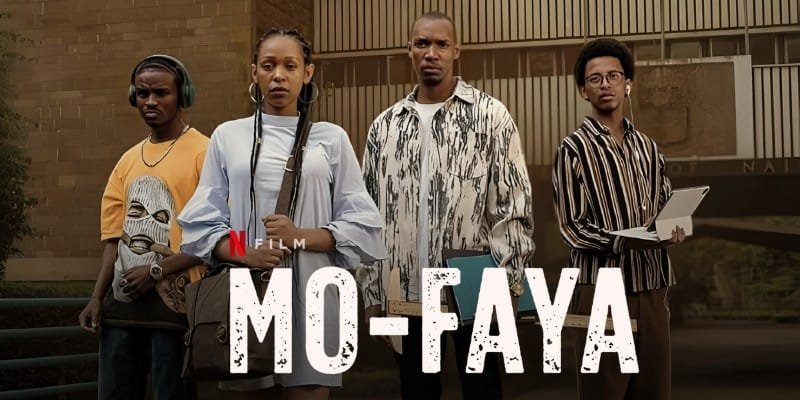
    Set against the vibrant backdrop of Nairobi, with rare glimpses into the captivating landscapes of Western Kenya, Mo-Faya ignites the screen with its seven-part drama infused with a touch of telenovela flair. This compelling series follows Zawadiwe, a young woman determined to start afresh with her boyfriend. But just as her dreams take flight, buried secrets and looming dangers threaten to pull her into a whirlwind of crime and chaos.

    Created and directed by the visionary Reuben Odanga and brought to life by Multan Productions in collaboration with the University of Nairobi, Mo-Faya masterfully blends gripping storytelling with a unique Kenyan essence.

    Plot

    Mo-Faya kicks off with a chilling opener: an unknown man drags another pleading for his life into the bush, ending the moment with a gunshot. This tense start gives way to the life of a notorious group whose operations include a hacker capable of infiltrating any system. Their criminal endeavours, often violent, set the stage for the drama to come.

    READ MORE: Christmas In Lagos Movie Review: A Festive Tale That’ll Leave You Swooning

    The story then shifts to Zawadiwe, a young woman mourning the recent loss of her mother. Amid her grief, tensions arise within her extended family over burial arrangements. The issue? Zawadiwe’s father never paid her mother’s dowry. Coupled with her rocky relationship with her dad, Zawadiwe makes the life-altering decision to leave home after the funeral, hoping to carve out a new beginning.

    But her fresh start takes an unexpected turn. Unaware that her boyfriend runs a dangerous crime organisation, Zawadiwe soon finds herself entangled in their illicit activities. The twist? Her estranged father is a police officer determined to bring this same group to justice.

    What unfolds is a turbulent journey marked by betrayal, tragedy, and impossible decisions. Caught between her love for her boyfriend and her moral compass, Zawadiwe must navigate a path fraught with danger and dilemmas.

    Cast

    Regarding performances, Mo-Faya offers a blend of strengths and missed opportunities, creating an intriguing, if uneven, viewing experience.

    Lorna Lemi delivers a satisfactory portrayal as Zawadiwe, our female lead, evolving from a grieving, vulnerable young woman in the first episode to a determined criminal activist by the finale. While her transformation is impressive, it’s difficult to fully connect with her character after the initial stages of mourning, largely due to the script’s shortcomings rather than her acting.

    Ibrahim Ouma takes on the role of Brian, the gang’s student leader, and puts in commendable effort. However, his performance sometimes wavers between being too subdued or overly intense, which occasionally disrupts the balance the story requires.

    In contrast, Tobit Tom shines as Kevin, Brian’s best friend, bringing charm and authenticity to the screen. Even in quieter, introspective moments—such as navigating traditional family matters with a council of elders—Kevin’s character remains compelling. Tobit’s natural performance makes Kevin a standout, perfectly balancing Brian’s reserved demeanour with his own erratic energy, a dynamic often seen in crime dramas.

    READ MORE: 7 Culturally Rich African Movies You Should Watch

    Mathew Ngotho plays Timothy, the gang’s tech wizard. While his “nerd” persona is evident from the outset—perhaps too obvious—the character’s portrayal is solid.

    Notably, Blessing Lung’aho and Alice Ngina deliver standout performances that elevate the series. Their chemistry and emotive depth bring a richness that Mo-Faya desperately needs, grounding the story with authenticity and flair.

    Despite its uneven performances, the cast of Mo-Faya manages to carry the weight of the story, with some characters shining brighter than others. Together, they create a tapestry of flawed, fascinating individuals that keep you invested in the drama’s twists and turns.

    Language

    Mo-Faya was performed in Swahili and English. 

    Summary

    Mo-Faya benefits from its collaboration with the University of Nairobi, which adds a layer of authenticity through the inclusion of students in the cast. This touch of inclusivity is commendable, as is the use of realistic costumes that ground the series in a believable Kenyan setting. The cinematography, while visually appealing, is nothing more than slightly above average.

    The pilot episode grabs you by the collar and throws you straight into the action—guns blazing, secrets unravelling, and adrenaline pumping. It’s a thrilling start that sets the stage for what feels like a rollercoaster of crime and drama. But just when you’re ready to strap in for the ride, the series hits a speed bump. As the story shifts gears to focus on character development, the thrill fizzles out, leaving you wondering, “Wait, where’s the fire?”

    Drama, at its core, relies on characters discovering new information and reacting to it in unexpected ways. Unfortunately, Mo-Faya offers little in terms of surprise. The twists are predictable, and the characters’ reactions feel formulaic. The audience can often foresee major plot points, such as betrayals or hidden alliances, long before they unfold, stripping the series of any real suspense.

    READ MORE: Here’s What Nollywood Can Learn From Hollywood In 2024

    Timothy’s hacking scenes, a potential highlight, fall flat due to unrealistic depictions of technology. The screens and setups feel like a far cry from modern hacking realism, pulling viewers out of the immersion.

    The narrative suffers from disjointed pacing, particularly in episodes four through six. Major gaps in character development make sudden shifts in behaviour jarring and confusing. For instance, some characters undergo abrupt transformations without any clear motivation, while others, like Paul, inexplicably vanish despite being central to the plot. These inconsistencies leave viewers struggling to connect with the story.

    Adding to the structural issues, the last episode disrupts its own tension with a poorly timed flashback. Just as the police drama reaches a peak, the flashback slows the pacing, detracting from the finale’s impact. The lack of focus across episodes further dilutes the narrative, with multiple storylines competing for attention.

    Even small details like episode titles could have helped provide a sense of cohesion and identity for each instalment. Without them, the series feels like a loosely connected string of events rather than a cohesive narrative.

    While Mo-Faya shines in its authentic portrayal of Kenyan life and its ambitious effort to tell a compelling story, it ultimately falls short due to predictable storytelling, underdeveloped characters, and uneven pacing. There’s potential here, but the execution leaves much to be desired.

  • 10 Hidden Gems You Probably Missed From Seyi Vibez’s Discography

    10 Hidden Gems You Probably Missed From Seyi Vibez’s Discography

    Since cementing his place in the Nigerian mainstream with 2022’s commercially acclaimed Billion Dollar Baby, Seyi Vibez has been head and shoulders above everybody else in terms of output. He has released two full-length albums, two EPs and one mixtape since 2022. With a remarkable seven bodies of work under his belt, Seyi Vibez has reliably delivered well-loved anthems and chart-topping hits.

    Unfortunately, his relentless work ethic has proven to be a lot for listeners outside his core fanbase, one he has worked tirelessly to build over the years. Beneath the surface of his popular anthems lies a treasure trove of underrated records that showcase his depth and versatility.

    These records reveal a different side of the mad genius, one that’s introspective, experimental and bold. Here’s a look at some of Seyi Vibez’s best-kept secrets.

    1. Saro (2022)

    This record sits pretty at track four on his critically acclaimed debut album, Billion Dollar Baby. The record is a heart-wrenching documentation of his struggles as a hustler. With a voice of experience, he reflects on his street savvy, sharing how he avoided pitfalls and how he stayed ahead of the game before going on to celebrate his newfound success. The fusion of street hop elements and melodic undertones makes it both an anthem for the streets and the soul as it is a record that resonates with listeners across different walks of life. 

    2. Ife (2023)

    In this record, he showcases his loverboy side as he bares his soul and candidly expresses his emotions and his emotional limitations as he reveals that while his heart is full of love for his love interest, his schedule is fuller, leaving him with the struggle of balancing love and hustle. The record acknowledges the disconnect a lot of people experience between their feelings and their capacity to nurture the love they want to give and the time they can devote.

    3. LOML Ft. Ami Faku (2023)

    In a bid to connect with listeners beyond his base, Seyi Vibez tapped South African sensation Ami Faku. LOML is a soulful collaboration and a heartfelt ode to love with Loseyi’s powerful delivery perfectly complemented by Ami Faku’s enchanting delivery. The lush production employs rich melodies and creates an intimate soundscape. 

    READ MORE: Here’s Why The Majors Are Acquiring African Music Companies

    4. Superstar (2021)

    Seyi Vibez opens his debut EP, No Seyi No Vibez, with the guitar-driven Superstar, a sultry ballad where Seyi Vibez utilises his silver tongue to woo his love interest. Beneath the romantic veneer, he sweetly brags about his status as a rising star, sounding excited about his bright future. The title Superstar serves as a testament to Seyi Vibez’s lofty ambitions, setting the tone for an album that showcases his artistry and swagger.

    5. Gatti Ft. Dwillsharmony (2024)

    Gatti is a high-energy anthem laced with an infectious rhythm and raw intensity as Seyi Vibez and Dwillsharmony deliver electric performances over a pulsating beat. The duo delivers boastful verses about their newfound wealth and the goodies that come with success. Dwillsharmony injects additional swagger with his smooth wordplay and flair while Seyi maintains his signature raw delivery.

    6. IG Story (2023)

    This record is a vibrant fusion of gratitude, street credibility, and bravado, delivered with his trademark flair. The lyrics capture his journey to success, the challenges he’s overcome, and his determination to keep thriving. The song’s production combines infectious rhythm with rich instrumentation that enhances Seyi’s dynamic flow.

    7. Blacka Rhythm (2023)

    Emotive, introspective, and deeply personal, this soul-stirring track weaves together themes of love, loss, and perseverance. With unflinching honesty, he offers a candid glimpse into his turbulent past, recounting his experiences as a young hustler, navigating treacherous streets and overcoming adversity. With its haunting melodies, emotionally charged lyrics, and a blend of African rhythms and contemporary production, this song is a powerful exploration of the human experience.

    READ MORE: FirstKlaz: The Future Of Afro-fusion

    8. 90s (2021)

    90s reflects his journey of resilience, faith, and ambition. Still a youngster when he released this song, he opts for lyrics that convey a determination to succeed against all odds, repeatedly affirming his belief in guidance from a higher power as well as the sheer will to fight through challenges. “I no fit stop, until I chop, I must to make am, mummy must to chop” speaks to his drive to provide for his family and the focus on achieving success no matter what. Four years later, it’s safe to say he’s achieved more than he may have envisaged when he was penning this record.

    9. 12:07 (2020)

    This record follows a similar trope to the previous record. A blend of introspection, determination, and gratitude towards the divine with a young Seyi Vibez reaffirming that no matter what life throws at him, he will always stick to his own path, trusting God to guide him. He paints a vivid picture of his hustle: “Na money I dey find, mio fe da’ran” while also expressing his unwillingness to follow the footsteps of others and his intention to carve out his own path. 

    10. Manchester (2024)

    Off his most recent EP, the mad genius basks in the euphoria of his superstar, highlighting his growing international recognition as he sings “Won wa mi ni Manchester” (They want me in Manchester) and “Won wan mi ni Germany” (They want me in Germany). He references high-end brands like ‘Balenciaga’ symbolising a sense of luxury as a marker of his rise. He acknowledges the challenges he faced along the way, but he quickly switches to an optimistic outlook as he is determined to enjoy the fruits of his labour now that he has achieved financial success.

  • The 8 Best Food Delivery Apps In Lagos

    The 8 Best Food Delivery Apps In Lagos

    Lagos, Nigeria’s bustling economic and cultural hub, is renowned for its dynamic lifestyle and diverse food scene. With over 3,324 restaurants and food vendors, the city offers many dining options. However, the fast-paced nature of Lagos life has driven the increasing reliance on food delivery apps. The African food delivery market is projected to grow at a 12.08% annual rate, reaching a market volume of $18.13 billion by 2029, with Lagos being a key contributor. Platforms like Jumia Food have partnered with over 5,000 small businesses, empowering local vendors and broadening their reach. These trends underscore how food delivery apps are reshaping the dining culture in Lagos by making food more accessible, affordable, and convenient.

    Here are the eight best food delivery apps in Lagos, tailored to suit different tastes and needs. Each platform blends technology with culinary diversity, ensuring Lagosians enjoy their meals with ease.

    Best Food Delivery Apps In Lagos
    Best Food Delivery Apps In Lagos [Credit: Linkedin]

    1. Jumia Food

    Overview: A pioneer in Nigeria’s food delivery industry, Jumia Food boasts an extensive range of restaurant partners and cuisine options. Whether you’re craving Nigerian jollof rice, fast food, or continental dishes, Jumia Food has you covered.

    Key Features:

    • Wide variety of restaurants and meal choices.
    • Scheduled deliveries for flexibility.
    • Frequent discounts and promotional offers.
    • Conveniently order food in Lagos at any time.

    Limitations:

    • Delivery times may vary depending on location.
    • Additional fees may apply for certain areas.

    Why It’s Great: Jumia Food is the go-to app for those seeking a wide range of meal options. It’s perfect for anyone who loves variety and wants to explore multiple cuisines from both local and international restaurants. Plus, with frequent discounts, you’ll always find a deal to enjoy.

    2. Chowdeck

    Overview: Chowdeck is ideal for those seeking authentic, homemade meals. The platform connects users with local chefs and small food businesses, offering a personal touch with every order.

    Key Features:

    • Homemade meals prepared by local chefs.
    • Affordable pricing.
    • Empowering small-scale food businesses.

    Limitations:

    • Limited restaurant selection compared to larger apps.
    • Coverage might be restricted to specific areas.

    Why It’s Great: Chowdeck is perfect for Lagosians who appreciate homemade food and want to support local chefs. Whether it’s a hearty stew or traditional delicacies, Chowdeck delivers authentic, budget-friendly meals that reflect Lagos’ rich food culture.

    READ MORE: Temu Overtakes Jumia, Opay, Becomes The Most Downloaded App In Nigeria

    3. Glovo

    Overview: Glovo stands out as a versatile delivery platform offering more than just meals. From groceries to medicines, the app provides multi-category delivery services, making it a go-to choice for busy Lagosians.

    Key Features:

    • Multi-category delivery options (meals, groceries, etc.).
    • Real-time tracking for transparency.
    • Wide range of restaurant choices, from street food to high-end dining.

    Limitations:

    • Service fees can be higher than competitors.
    • Some areas may have limited availability.

    Why It’s Great: Glovo isn’t just for food; it’s a one-stop shop for all your delivery needs. Whether you’re ordering a quick meal or groceries, this app’s all-in-one service is perfect for those who value convenience and variety.

    4. Food Court

    Overview: Known for its premium selection, Food Court connects users with high-end restaurants and vendors. It’s ideal for those who enjoy fine dining experiences in the comfort of their homes.

    Key Features:

    • Partnerships with premium restaurants.
    • Fast delivery times.
    • High-quality customer service.

    Limitations:

    • Fewer budget-friendly options compared to other platforms.
    • Limited selection of casual eateries.

    Why It’s Great: If you’re in the mood for a luxurious meal, Food Court is the app for you. With access to top-tier restaurants, this platform guarantees a sophisticated dining experience delivered straight to your door.

    5. Eden Life

    Overview: Eden Life is designed for health-conscious Lagosians. The platform provides personalised meal plans tailored to dietary needs and goals, making it a popular choice for those looking to maintain a balanced lifestyle.

    Key Features:

    • Subscription-based meal plans.
    • Fresh, nutritious, and tailored meal options.
    • Ideal for individuals with specific dietary requirements.

    Limitations:

    • Subscription fees may not suit occasional users.
    • Limited variety outside healthy eating plans.

    Why It’s Great: For those who prioritise health, Eden Life offers a range of nutritious meals that are perfect for a balanced lifestyle. This app is particularly useful for those with specific dietary needs like low-carb, vegan, or gluten-free meals.

    6. Urban Eats

    Overview: Urban Eats is a trendy platform that curates meals from Lagos’ most fashionable and upscale restaurants. Its clean interface and reliable delivery services make it a favorite among young professionals and food enthusiasts.

    Key Features:

    • Curated selection of top-rated restaurants.
    • Sleek and user-friendly app design.
    • Reliable delivery times.

    Limitations:

    • Premium pricing may deter budget-conscious users.
    • Limited options for traditional Nigerian dishes.

    Why It’s Great: Urban Eats is ideal for Lagosians who want to enjoy gourmet meals from trendy restaurants. With its easy-to-use interface and upscale offerings, it’s perfect for those looking to indulge in the finer side of Lagos dining.

    7. 500Chow

    Overview: 500Chow caters to budget-conscious users, offering affordable meal options without sacrificing quality. Its focus on local vendors makes it a top choice for students and young professionals.

    Key Features:

    • Budget-friendly meal options.
    • Reliable service from local food vendors.
    • Easy-to-use platform.

    Limitations:

    • Fewer premium dining options.
    • Limited service coverage in less urban areas.

    Why It’s Great: For students and young professionals who are watching their budgets, 500Chow provides affordable yet delicious meal options. With a focus on local vendors, you can explore the best of Lagos’ street food scene without breaking the bank.

    READ MORE: Uber Safari Launches In South Africa For $200

    8. Gokada Food

    Gokada Food is an emerging food delivery platform in Lagos, offering fast and affordable delivery services, leveraging Gokada’s reliable motorcycle fleet. The service focuses on providing quick and budget-friendly meal options to users, especially in high-traffic areas where other platforms might experience delays.

    Key Features:

    • Fast delivery times, especially in congested areas.
    • Budget-friendly meals without compromising quality.
    • Available in several key neighborhoods on both the island and mainland.
    • Allows users to track their orders for transparency.

    Limitations:

    • Fewer restaurant options compared to larger apps.
    • Only available in specific areas of Lagos.

    Why It’s Great: If you’re looking for a fast and affordable food delivery service, especially in busy Lagos traffic, Gokada Food is a great option. With reliable delivery and budget-friendly pricing, it’s perfect for anyone who needs a quick meal without the wait.

    Why Food Delivery Apps Are Thriving in Lagos

    • Urban Lifestyle: With its fast-paced environment, Lagos demands convenience. Food delivery apps save time, making them indispensable for busy professionals, families, and students.
    • Tech-Savvy Users: Over 60% of Lagosians aged 18-35 use food delivery apps for daily meals, reflecting the tech-savvy nature of the city’s younger demographic.
    • Support for Local Businesses: Platforms like Jumia Food and Chowdeck empower small businesses, enabling them to reach a wider audience and compete in a growing market.

    Practical Tips for Users

    • Save Money: Look out for promotional deals on Jumia Food and Glovo to enjoy discounts.
    • Choose Based on Need: Opt for Eden Life for healthy meals, Chowdeck for homemade dishes, and Food Court for fine dining.
    • Check Coverage: Ensure the app services your area before placing an order.

    Conclusion

    Food delivery apps in Lagos have transformed the city’s dining culture by offering convenience, variety, and accessibility. Whether you’re in the mood for a quick snack or a gourmet experience, these platforms provide something for everyone. Explore these top eight apps and discover how they can simplify your mealtime routines while supporting local businesses.

    FAQs

    1. Are these food delivery apps available throughout Lagos?
      • Most apps cover Victoria Island, Lekki, Surulere, and Ikeja. Availability may vary.
    2. Which app is best for healthy meal options?
      • Eden Life is ideal for personalised, health-conscious meal plans.
    3. Can I order groceries through these platforms?
      • Yes, Glovo offers grocery delivery alongside meals.
    4. Are there affordable options?
      • 500Chow is great for budget-friendly meals without compromising quality.
    5. How can I get the best deals?
      • Apps like Jumia Food frequently offer discounts and promotions to help users save.
  • Katangari Goes To Town Movie Review: A Sleuth, Secrets, And A Killer’s Game

    Katangari Goes To Town Movie Review: A Sleuth, Secrets, And A Killer’s Game

    Starting off 2025 with an intriguing entry, Katangari Goes to Town, directed by Reuben Reng, brings a mix of mystery and humour to the big screen. The legendary Katangari, a retired police inspector turned sleuth, is lured out of retirement for a high-stakes investigation in Abuja.

    The plot thickens when Katangari’s cousin, Chief Bello Gyang—a prominent international businessman—is found murdered. The family estate becomes the ultimate pressure cooker as Bello’s relatives, friends, and associates are confined within the mansion, each carrying secrets and motives as dark as the night of the crime.

    Plot

    Katangari, a retired detective living a quiet life in Ta-Hoss, is pulled back into action under unusual circumstances. A call from his late cousin’s personal assistant informs him of a will reading he must attend in Abuja—one with a dire warning: missing it could cost him his home.

    READ MORE: From Blockbusters To Streaming Success: Nollywood’s Journey To Dominating The Digital Age

    Chief Bello, Katangari’s wealthy cousin, had been surrounded by enemies and suspicion even before his untimely death. Upon arriving at Bello’s mansion, Katangari finds a tense gathering that includes Bello’s ex-wife Ulan, current wife Sophia, children Chatong and Wash, business partner Audu, and Pastor Dominion. What was supposed to be a straightforward will reading quickly takes a dark turn.

    Instead of legal proceedings, a recorded video from Chief Bello reveals shocking truths. He claims he was murdered, warns Katangari not to trust anyone present, and grants him full authority over the mansion. His final instruction? No one leaves until the killer is uncovered.

    The tangled web of relationships soon unravels. Ulan and Sophia clash openly, with Ulan harbouring resentment and Sophia rumoured to have been involved with the butler. Bello’s children, Chatong and Wash, are accused of caring more about his fortune than his well-being, while business partner Audu’s loyalty is called into question. Even Pastor Dominion, more enamoured with money than saving souls, isn’t spared suspicion.

    As Katangari dives into detective mode, startling revelations emerge, and tensions escalate. Just as the retired sleuth starts closing in on the truth, another murder shakes the household. In the end, the killer is exposed in a dramatic climax that ties together the threads of the movie.

    READ MORE: 10 Best Movies About African Slavery You Should See

     Cast

    Segun Arinze takes centre stage as the titular Katangari, delivering a performance that feels both familiar and ambitious. While his portrayal of the retired detective was intense and commanding, it occasionally strayed into overacting, with a noticeable effort to emulate the archetype of a Hollywood-style grizzled veteran. That said, his energy brought balance and depth to the ensemble cast.

    Patience Ujah steps in as Mima, Chief Bello’s personal assistant, but her performance leaves much to be desired. Struggling initially with character consistency, her portrayal only made sense after the killer’s reveal, where her attempts at disguise were explained. Unfortunately, even then, her execution fell short, diminishing the impact of her role.

    Katangari Goes to Town movie review
    Katangari Goes to Town [Credit: Prime Video]

    Ireti Doyle shines as Ulan, bringing her trademark poise and mastery to the screen. Her effortless blend of Hausa and English added authenticity to the character, solidifying her reputation as a seasoned actor. In contrast, Muna’s portrayal of Sophia offered a more subdued performance, but her subtlety was a refreshing counterbalance in the chaos of the mansion’s drama.

    Victor Panwal and Gbubemi Ejeyi as Wash and Chatong, Bello’s children, played their roles adequately, though neither stood out significantly. Bethel Njoku, better known for his comedic chops in Flatmates, injected much-needed humour into the role of Pastor Dominion, providing moments of levity amidst the tension.

    Chief Bello himself, played by Edward Fom. While the cast had its highs and lows, Katangari Goes to Town leaned heavily on its star power and ensemble dynamics to push through its weaker moments.

    Language

    The Katangari Goes To Town movie was performed in English and Hausa.

    Summary

    Katangari Goes to Town takes a swing at the murder mystery genre, delivering twists, tension, and a fair dose of drama. While it doesn’t hit all the marks, the film manages to stay entertaining—thanks in part to its stunning visuals and quirky characters.

    One thing’s for sure: the cinematography deserves a shoutout. The film makes the most of its modest settings, serving up a visually appealing experience that feels both lavish and grounded. The moody lighting, clever camera and costume (especially Katangari) work do a lot of heavy lifting, giving the movie a classy touch.

    The plot? Well, it’s decent but not mind-blowing. The killer’s reveal feels more like a quiet “oh” than a shocking “aha!”—mainly because the suspects are ruled out a little too quickly. By the time the credits roll, you’ve probably already guessed who did it. That said, the journey has its moments, even if the destination is a bit predictable.

    READ MORE: 5 Things About The Real Housewives Of Lagos

    There’s also a noticeable attempt to channel the vibe of a Hollywood-style thriller. It doesn’t quite stick the landing, but it doesn’t trip over itself either. Let’s call it a valiant effort that lands somewhere between “bold attempt” and “nice try.”

    However, a few grey areas drag the story down. For instance, why was Chief Bello so convinced his life was in danger? What led him to hire a private investigator in the first place? The film never quite answers these questions, leaving a few loose ends dangling.

  • The Highest-Paid African Footballers In Bundesliga 2025

    The Highest-Paid African Footballers In Bundesliga 2025

    African players have long been integral to the success of European football, and the Bundesliga is no exception. With their exceptional performances, these players have captured the hearts of fans and become indispensable assets to their respective clubs.

    In 2025, the league’s top players are celebrated for their incredible skills and earning some of the highest wages in German football. Based on data from Capology, we explore the highest-paid African footballers in Bundesliga in 2025.

    Sébastien Haller of Borussia Dortmund tops the list as the highest-paid African player in the Bundesliga, earning an impressive €211,538 weekly. Borussia Dortmund is a dominant employer, featuring three African stars among the top five earners.

    Players across Africa, including Mali, Guinea, and Algeria, shine brightly in Germany’s premier football league. In this article, we’ll take a look at the top-earning African footballers in the Bundesliga for 2025.

    Highest-Paid African Footballers In Bundesliga 2025

    Sébastien Haller
    Sébastien Haller [Credit: Goal]

    1. Sébastien Haller (Ivory Coast) – Borussia Dortmund (€211,538 per week)

    Sébastien Haller leads the pack as the highest-paid African footballer in the Bundesliga. The Borussia Dortmund forward’s exceptional goal-scoring prowess has solidified his position as one of the league’s top stars. With weekly earnings of €211,538, Haller is a key figure in Dortmund’s pursuit of domestic and European success.

    2. Serhou Guirassy (Guinea) – Borussia Dortmund (€181,346 per week)

    Guinea’s Serhou Guirassy is another Borussia Dortmund standout. Known for his consistent scoring and ability to create chances, Guirassy earns €181,346 per week, reflecting his value to one of Germany’s top clubs. He is among the best African footballers according to EA Sports 25 rating.

    READ MORE: CAF Awards 2024: Full List Of Winners

    3. Ramy Bensebaini (Algeria) – Borussia Dortmund (€86,538 per week)

    A versatile defender and occasional goal scorer, Ramy Bensebaini has proven to be a vital part of Borussia Dortmund’s defensive setup. Earning €86,538 weekly, the Algerian international is one of the highest-paid defenders in the Bundesliga.

    4. Diadie Samassekou (Mali) – TSG Hoffenheim (€75,000 per week)

    Mali’s Diadie Samassekou is a midfield dynamo for TSG Hoffenheim. His €75,000 weekly wage underscores his importance in providing creativity and balance to the team’s midfield.

    5. Amadou Haidara (Mali) – RB Leipzig (€73,077 per week)

    Amadou Haidara’s box-to-box midfield capabilities make him a standout performer for RB Leipzig. With a weekly salary of €73,077, Haidara continues to demonstrate his value to one of the Bundesliga’s top clubs.

    Full List of the Highest-Paid African Footballers in Bundesliga 2025

    NameAgeCountryClubWeekly Wages (€)
    Sébastien Haller30Ivory CoastBorussia Dortmund211,538
    Serhou Guirassy28GuineaBorussia Dortmund181,346
    Ramy Bensebaini29AlgeriaBorussia Dortmund86,538
    Diadie Samassekou28MaliTSG Hoffenheim75,000
    Amadou Haidara26MaliRB Leipzig73,077
    Amine Adli24MoroccoBayer Leverkusen65,385
    Ellyes Skhiri29TunisiaEintracht Frankfurt53,846
    Ihlas Bebou30TogoTSG Hoffenheim51,923
    Steve Mounié30Benin RepublicFC Augsburg50,769
    Naby Keïta29GuineaWerder Bremen48,077
    Frank Onyeka26NigeriaFC Augsburg47,115
    Victor Boniface24NigeriaBayer Leverkusen38,462
    Nathan Tella25NigeriaBayer Leverkusen34,615
    Omar Marmoush25EgyptEintracht Frankfurt30,769

    Data sourced from Capology.

    USEFUL LINK

  • Egypt Launches E-Voting And Performance Apps To Transform Governance

    Egypt Launches E-Voting And Performance Apps To Transform Governance

    Egypt has taken a significant leap toward enhancing transparency and citizen engagement with the launch of two groundbreaking digital initiatives aimed at modernising the country’s governance: an e-voting system and a new complaints and performance measurement program. Unveiled at the Administrative Prosecution Authority, the event was marked by the presence of key officials, including Minister of Planning, Economic Development, and International Cooperation Rania Al-Mashat, Justice Minister Adnan Fangary, and Youth and Sports Minister Ashraf Sobhi. This move aligns with President Abdel Fattah Al-Sisi’s broader vision for a more efficient and digitally advanced government.

    The launch of these projects follows the signing of a cooperation protocol in 2022 between the Ministry of Planning and the Administrative Prosecution Authority. This partnership aims to modernise information systems and streamline election processes, marking the beginning of a larger effort to digitise public services and ensure more transparent governance. Minister Al-Mashat highlighted the ongoing collaboration between national institutions like the Ministry of Justice and the Ministry of Youth and Sports, underscoring the importance of integrated, cross-departmental efforts to advance Egypt’s development goals.

    The “Enhancing Government Performance” project is one of the flagship initiatives designed to assess and improve the delivery of public services. It aims to provide decision-makers with accurate data to close performance gaps within government agencies. By leveraging technology, the project empowers citizens to submit complaints via mobile apps, streamlining the complaints and feedback process. This shift not only promises more efficient service delivery but also promotes transparency and holds government agencies accountable for their performance. This initiative is aligned with Egypt’s Vision 2030, which prioritises governance, transparency, and active citizen engagement. It also supports the country’s National Anti-Corruption Strategy, contributing to the broader goals of achieving the United Nations’ 16th Sustainable Development Goal (SDG), which focuses on peace, justice, and strong institutions.

    Another critical component of the launch is the e-voting system, which aims to replace traditional paper-based election methods with a more efficient, secure, and transparent electronic platform. The initiative has already been implemented in 16 elections, including those for the Musicians’ Syndicate and the Administrative Prosecution Authority Club, and it is designed to ensure a smoother, more cost-effective voting experience. The e-voting system also reduces the environmental impact of elections by cutting down on paper usage and lowering carbon emissions associated with transportation. The system promises to improve trust in the electoral process by minimising human error and ensuring more accurate results.

    READ MORE: Ghana To Become Africa’s First Blockchain-Powered Government

    These initiatives are part of a broader push to digitally transform Egypt’s public services and foster greater citizen participation in governance. The complaints and performance measurement program provides an opportunity for citizens to voice their concerns directly while also contributing to the overall improvement of service quality. As more citizens engage with these digital platforms, the government aims to build a more responsive and efficient administration that meets the needs of its people.

    Minister Al-Mashat emphasised that the launch of these projects is part of Egypt’s ongoing efforts to build a digital society that enhances governance and public sector accountability. She highlighted the commitment of the Ministry of Planning to continue fostering economic and social development through strong partnerships with other national institutions. This collaborative approach is seen as crucial to achieving Egypt’s Vision 2030 goals, which aim for a more modern and inclusive state.

    The government’s focus on digital transformation not only promises to improve the quality of governance within Egypt but also positions the country as a regional leader in adopting innovative technologies to enhance public sector performance. With these initiatives, Egypt aims to build greater trust between its citizens and government, promoting active participation in national development and setting a precedent for other nations in the region to follow.