The Oyo Empire’s grip on its territories was unyielding, maintained by a network of tribute collectors that kept towns and villages in check. But every empire meets its reckoning. Following the tragic loss of a friend and the relentless suffering of the Egba people, an uprising erupts, shaking the very foundation of the empire.
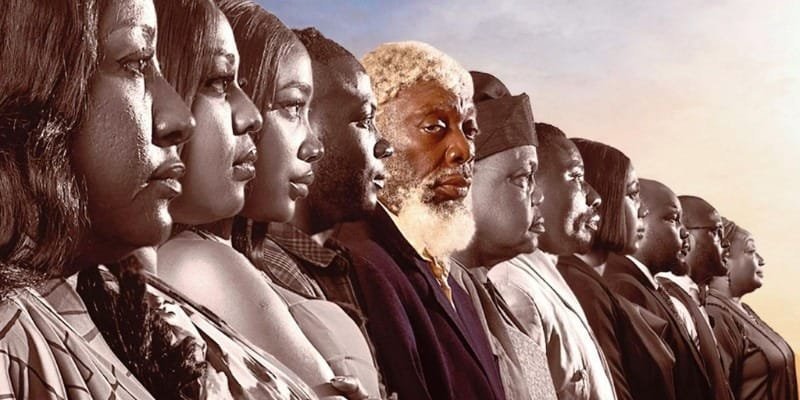
Lisabi: A Legend Is Born, the powerful sequel to The Uprising. This chapter dives deeper into the Egba people’s journey as they rise from the ashes of oppression to reclaim their community through fierce battles and unwavering determination. Directed by Niyi Akinmolayan(Wedding Party, The Prophetess, Chief Daddy), the film is an epic continuation of courage, strategy, and the fight for liberation.
Plot
Lisabi: A Legend Is Born catapults audiences into the chaos of war, beginning with the aftermath of Songodeyi’s death. The Egba youth strike a decisive blow against the Oyo Empire, taking down its garrison forces in Egba. Yet, the final war tests their resilience as neighbouring villages, initially allies, betray them by retreating in fear.
Facing the Empire’s infamous fighters, Lisabi and his warriors endure devastating losses. But just when hope seems lost, Ikeola, with the mystical aid of the land’s witches, turns the tide. Victory is hard-fought, and the Egba people finally triumph, celebrating their freedom in grand fashion. Lisa is honoured as a hero, showered with the spoils of war and tributes from neighbouring villages.
But glory has a price. As pride consumes Lisabi, a confrontation with Bejide tragically unravels his relationships. Friends and allies, once united by war, now conspire against him. The betrayal culminates in the death of Ikeola, leaving Lisabi shattered and disillusioned. A vision from his deities urges him to abandon the treachery of humankind and return home.
In a poignant twist, the youth plot to banish him under the pretence of crowning him their war leader. Lisabi, sensing their scheme, chooses a dignified exit. As he vanishes into the forest, his fate remains shrouded in mystery, leaving generations to speculate about the whereabouts of this legendary figure.
Lisabi: A Legend Is Born is a typical Yoruba film, conveyed through its dialogue, songs, incantations, and panegyrics.
Summary
Picking up where Lisabi: The Uprising left off, Lisabi: A Legend Is Born throws us straight back into the heat of the action. The Egba people are still battling the Oyo Empire, and this time, they’re bringing the fight right to the garrison forces in Egba. The intensity is dialled up, and the energy is higher than ever. But while the action is gripping, the overall quality doesn’t always hit the mark.
The cinematography is a bit of a mixed bag—some scenes shine, while others feel a little off. It’s a rollercoaster that makes you wonder: Did we need this sequel? A lot of the storyline could’ve wrapped up in the first movie, and stretching it out feels a bit unnecessary. But since this is based on a pivotal piece of Nigerian history, we get why it exists. Still, sometimes less is more.
One area where this sequel scores points is in the backstory department. If you thought Lisabi’s jump from farmer to god-calling warrior in The Uprising came out of nowhere, this movie finally fills in those gaps. It gives his character more depth and makes his transformation feel earned.
Lagos, Nigeria’s bustling economic and cultural hub, is renowned for its dynamic lifestyle and diverse food scene. With over 3,324 restaurants and food vendors, the city offers many dining options. However, the fast-paced nature of Lagos life has driven the increasing reliance on food delivery apps. The African food delivery market is projected to grow at a 12.08% annual rate, reaching a market volume of $18.13 billion by 2029, with Lagos being a key contributor. Platforms like Jumia Food have partnered with over 5,000 small businesses, empowering local vendors and broadening their reach. These trends underscore how food delivery apps are reshaping the dining culture in Lagos by making food more accessible, affordable, and convenient.
Here are the eight best food delivery apps in Lagos, tailored to suit different tastes and needs. Each platform blends technology with culinary diversity, ensuring Lagosians enjoy their meals with ease.
Best Food Delivery Apps In Lagos [Credit: Linkedin]
1. Jumia Food
Overview: A pioneer in Nigeria’s food delivery industry, Jumia Food boasts an extensive range of restaurant partners and cuisine options. Whether you’re craving Nigerian jollof rice, fast food, or continental dishes, Jumia Food has you covered.
Key Features:
Wide variety of restaurants and meal choices.
Scheduled deliveries for flexibility.
Frequent discounts and promotional offers.
Conveniently order food in Lagos at any time.
Limitations:
Delivery times may vary depending on location.
Additional fees may apply for certain areas.
Why It’s Great: Jumia Food is the go-to app for those seeking a wide range of meal options. It’s perfect for anyone who loves variety and wants to explore multiple cuisines from both local and international restaurants. Plus, with frequent discounts, you’ll always find a deal to enjoy.
2. Chowdeck
Overview: Chowdeck is ideal for those seeking authentic, homemade meals. The platform connects users with local chefs and small food businesses, offering a personal touch with every order.
Key Features:
Homemade meals prepared by local chefs.
Affordable pricing.
Empowering small-scale food businesses.
Limitations:
Limited restaurant selection compared to larger apps.
Coverage might be restricted to specific areas.
Why It’s Great: Chowdeck is perfect for Lagosians who appreciate homemade food and want to support local chefs. Whether it’s a hearty stew or traditional delicacies, Chowdeck delivers authentic, budget-friendly meals that reflect Lagos’ rich food culture.
Overview: Glovo stands out as a versatile delivery platform offering more than just meals. From groceries to medicines, the app provides multi-category delivery services, making it a go-to choice for busy Lagosians.
Wide range of restaurant choices, from street food to high-end dining.
Limitations:
Service fees can be higher than competitors.
Some areas may have limited availability.
Why It’s Great: Glovo isn’t just for food; it’s a one-stop shop for all your delivery needs. Whether you’re ordering a quick meal or groceries, this app’s all-in-one service is perfect for those who value convenience and variety.
4. Food Court
Overview: Known for its premium selection, Food Court connects users with high-end restaurants and vendors. It’s ideal for those who enjoy fine dining experiences in the comfort of their homes.
Key Features:
Partnerships with premium restaurants.
Fast delivery times.
High-quality customer service.
Limitations:
Fewer budget-friendly options compared to other platforms.
Limited selection of casual eateries.
Why It’s Great: If you’re in the mood for a luxurious meal, Food Court is the app for you. With access to top-tier restaurants, this platform guarantees a sophisticated dining experience delivered straight to your door.
5. Eden Life
Overview: Eden Life is designed for health-conscious Lagosians. The platform provides personalised meal plans tailored to dietary needs and goals, making it a popular choice for those looking to maintain a balanced lifestyle.
Key Features:
Subscription-based meal plans.
Fresh, nutritious, and tailored meal options.
Ideal for individuals with specific dietary requirements.
Limitations:
Subscription fees may not suit occasional users.
Limited variety outside healthy eating plans.
Why It’s Great: For those who prioritise health, Eden Life offers a range of nutritious meals that are perfect for a balanced lifestyle. This app is particularly useful for those with specific dietary needs like low-carb, vegan, or gluten-free meals.
6. Urban Eats
Overview: Urban Eats is a trendy platform that curates meals from Lagos’ most fashionable and upscale restaurants. Its clean interface and reliable delivery services make it a favorite among young professionals and food enthusiasts.
Key Features:
Curated selection of top-rated restaurants.
Sleek and user-friendly app design.
Reliable delivery times.
Limitations:
Premium pricing may deter budget-conscious users.
Limited options for traditional Nigerian dishes.
Why It’s Great: Urban Eats is ideal for Lagosians who want to enjoy gourmet meals from trendy restaurants. With its easy-to-use interface and upscale offerings, it’s perfect for those looking to indulge in the finer side of Lagos dining.
7. 500Chow
Overview: 500Chow caters to budget-conscious users, offering affordable meal options without sacrificing quality. Its focus on local vendors makes it a top choice for students and young professionals.
Key Features:
Budget-friendly meal options.
Reliable service from local food vendors.
Easy-to-use platform.
Limitations:
Fewer premium dining options.
Limited service coverage in less urban areas.
Why It’s Great: For students and young professionals who are watching their budgets, 500Chow provides affordable yet delicious meal options. With a focus on local vendors, you can explore the best of Lagos’ street food scene without breaking the bank.
Gokada Food is an emerging food delivery platform in Lagos, offering fast and affordable delivery services, leveraging Gokada’s reliable motorcycle fleet. The service focuses on providing quick and budget-friendly meal options to users, especially in high-traffic areas where other platforms might experience delays.
Key Features:
Fast delivery times, especially in congested areas.
Budget-friendly meals without compromising quality.
Available in several key neighborhoods on both the island and mainland.
Allows users to track their orders for transparency.
Limitations:
Fewer restaurant options compared to larger apps.
Only available in specific areas of Lagos.
Why It’s Great: If you’re looking for a fast and affordable food delivery service, especially in busy Lagos traffic, Gokada Food is a great option. With reliable delivery and budget-friendly pricing, it’s perfect for anyone who needs a quick meal without the wait.
Why Food Delivery Apps Are Thriving in Lagos
Urban Lifestyle: With its fast-paced environment, Lagos demands convenience. Food delivery apps save time, making them indispensable for busy professionals, families, and students.
Tech-Savvy Users: Over 60% of Lagosians aged 18-35 use food delivery apps for daily meals, reflecting the tech-savvy nature of the city’s younger demographic.
Support for Local Businesses: Platforms like Jumia Food and Chowdeck empower small businesses, enabling them to reach a wider audience and compete in a growing market.
Practical Tips for Users
Save Money: Look out for promotional deals on Jumia Food and Glovo to enjoy discounts.
Choose Based on Need: Opt for Eden Life for healthy meals, Chowdeck for homemade dishes, and Food Court for fine dining.
Check Coverage: Ensure the app services your area before placing an order.
Conclusion
Food delivery apps in Lagos have transformed the city’s dining culture by offering convenience, variety, and accessibility. Whether you’re in the mood for a quick snack or a gourmet experience, these platforms provide something for everyone. Explore these top eight apps and discover how they can simplify your mealtime routines while supporting local businesses.
FAQs
Are these food delivery apps available throughout Lagos?
Most apps cover Victoria Island, Lekki, Surulere, and Ikeja. Availability may vary.
Which app is best for healthy meal options?
Eden Life is ideal for personalised, health-conscious meal plans.
Starting off 2025 with an intriguing entry, Katangari Goes to Town, directed by Reuben Reng, brings a mix of mystery and humour to the big screen. The legendary Katangari, a retired police inspector turned sleuth, is lured out of retirement for a high-stakes investigation in Abuja.
The plot thickens when Katangari’s cousin, Chief Bello Gyang—a prominent international businessman—is found murdered. The family estate becomes the ultimate pressure cooker as Bello’s relatives, friends, and associates are confined within the mansion, each carrying secrets and motives as dark as the night of the crime.
Plot
Katangari, a retired detective living a quiet life in Ta-Hoss, is pulled back into action under unusual circumstances. A call from his late cousin’s personal assistant informs him of a will reading he must attend in Abuja—one with a dire warning: missing it could cost him his home.
Chief Bello, Katangari’s wealthy cousin, had been surrounded by enemies and suspicion even before his untimely death. Upon arriving at Bello’s mansion, Katangari finds a tense gathering that includes Bello’s ex-wife Ulan, current wife Sophia, children Chatong and Wash, business partner Audu, and Pastor Dominion. What was supposed to be a straightforward will reading quickly takes a dark turn.
Instead of legal proceedings, a recorded video from Chief Bello reveals shocking truths. He claims he was murdered, warns Katangari not to trust anyone present, and grants him full authority over the mansion. His final instruction? No one leaves until the killer is uncovered.
The tangled web of relationships soon unravels. Ulan and Sophia clash openly, with Ulan harbouring resentment and Sophia rumoured to have been involved with the butler. Bello’s children, Chatong and Wash, are accused of caring more about his fortune than his well-being, while business partner Audu’s loyalty is called into question. Even Pastor Dominion, more enamoured with money than saving souls, isn’t spared suspicion.
As Katangari dives into detective mode, startling revelations emerge, and tensions escalate. Just as the retired sleuth starts closing in on the truth, another murder shakes the household. In the end, the killer is exposed in a dramatic climax that ties together the threads of the movie.
Segun Arinze takes centre stage as the titular Katangari, delivering a performance that feels both familiar and ambitious. While his portrayal of the retired detective was intense and commanding, it occasionally strayed into overacting, with a noticeable effort to emulate the archetype of a Hollywood-style grizzled veteran. That said, his energy brought balance and depth to the ensemble cast.
Patience Ujah steps in as Mima, Chief Bello’s personal assistant, but her performance leaves much to be desired. Struggling initially with character consistency, her portrayal only made sense after the killer’s reveal, where her attempts at disguise were explained. Unfortunately, even then, her execution fell short, diminishing the impact of her role.
Katangari Goes to Town [Credit: Prime Video]
Ireti Doyle shines as Ulan, bringing her trademark poise and mastery to the screen. Her effortless blend of Hausa and English added authenticity to the character, solidifying her reputation as a seasoned actor. In contrast, Muna’s portrayal of Sophia offered a more subdued performance, but her subtlety was a refreshing counterbalance in the chaos of the mansion’s drama.
Victor Panwal and Gbubemi Ejeyi as Wash and Chatong, Bello’s children, played their roles adequately, though neither stood out significantly. Bethel Njoku, better known for his comedic chops in Flatmates, injected much-needed humour into the role of Pastor Dominion, providing moments of levity amidst the tension.
Chief Bello himself, played by Edward Fom. While the cast had its highs and lows, Katangari Goes to Town leaned heavily on its star power and ensemble dynamics to push through its weaker moments.
Language
The Katangari Goes To Town movie was performed in English and Hausa.
Summary
Katangari Goes to Town takes a swing at the murder mystery genre, delivering twists, tension, and a fair dose of drama. While it doesn’t hit all the marks, the film manages to stay entertaining—thanks in part to its stunning visuals and quirky characters.
One thing’s for sure: the cinematography deserves a shoutout. The film makes the most of its modest settings, serving up a visually appealing experience that feels both lavish and grounded. The moody lighting, clever camera and costume (especially Katangari) work do a lot of heavy lifting, giving the movie a classy touch.
The plot? Well, it’s decent but not mind-blowing. The killer’s reveal feels more like a quiet “oh” than a shocking “aha!”—mainly because the suspects are ruled out a little too quickly. By the time the credits roll, you’ve probably already guessed who did it. That said, the journey has its moments, even if the destination is a bit predictable.
There’s also a noticeable attempt to channel the vibe of a Hollywood-style thriller. It doesn’t quite stick the landing, but it doesn’t trip over itself either. Let’s call it a valiant effort that lands somewhere between “bold attempt” and “nice try.”
However, a few grey areas drag the story down. For instance, why was Chief Bello so convinced his life was in danger? What led him to hire a private investigator in the first place? The film never quite answers these questions, leaving a few loose ends dangling.
Debt accrues so much for a lot of people that it becomes a terrible burden. Debt can be one of the most limiting factors in the financial growth of a person. Thus, a man has to avoid debt by all means. When there is heavy debt hanging on someone’s shoulders, it will lead to the person’s poor financial health.
However, due to the bad economy or the nature of the economy, it is almost impossible to avoid debt. Families and people depend on borrowing to survive the harsh economy. Businesses also depend on borrowing to be able to meet up with the requirements of their businesses. As such, people and businesses borrow to stay afloat.
Notwithstanding the nature of the economy or businesses involved, there are still ways people can avoid debt as adults. In this post, we’ll be examining the smart ways people can avoid debts as adults.
10 Smart Ways to Avoid Debt as an Adult
10 Smart Ways To Avoid Debt As An Adult [Credit: The Independent]
1. Have a Saving Plan
The first step to avoiding debt is having a saving plan and walking the talk of saving. A person who has a good saving plan is on his or her way out of accruing debt. To avoid debt, you must have a saving plan. It will guide you on the right path as you avoid debt.
2. Always Seek Better Income
The second step to avoid debt is to always seek better income. As a person, the best way to survive and fight the constant inflation in the world is to seek better income. You shouldn’t stay fixed at an income level forever; always seek for better income as you grow and the world gets wearier.
3. Make Budgets
You need to make budgets at all points in time. Budgets would ensure you don’t overspend. Budgets are also necessary to measure how much income you get and how much expenses you make. The golden rule to making a good budget is that your expenses should never be higher than your income. Therefore, you’ve to ensure you make the necessary budget at all points in time.
Budgeting is good because it helps you avoid needless expenses. One of the easiest ways to get into debt is when you always spend needlessly. You are always spending on things that aren’t necessary. This can lead to a high depletion of your income, and then to debt. You need to do your best to avoid unnecessary expenses.
5. Avoid Risky Investment
Investing in risky and shady businesses is another easy way to go into debt. Doing this can make a huge amount of your money disappear immediately. If you don’t want to go into debt, then you need to avoid risky businesses and investments. Before you get into any business or investment, check it properly to ensure there are no shades of fraud or a high probability of loss.
6. Keep Emergency Funds
While getting your daily or monthly income, you need to have constant savings for emergencies. This is very necessary to avoid incurring lifelong debt. You need to have savings for emergencies like treating life-threatening illnesses, repairing a car, or getting urgent care. Keeping emergency funds is good for avoiding debt.
7. Keep Track of your Expenses
You need to be keeping track of your expenses monthly to check the way you spend your money. This idea is good for those who don’t know how to control how they spend. You have to keep track of your expenses to avoid overspending and putting yourself into avoidable debts.
8. Borrow Less
You don’t have to borrow except when you are pressed to borrow. You’ll need to have the mindset of borrowing at only the critical time if you intend to stay out of debt. Borrow less, and your debts won’t pile up until they become hard to manage.
9. Maintain a Good Credit Score
Maintaining a good credit score is also another good way of making the best out of loaning and money-making. When you borrow money, you have to ensure that you pay back on time and with the agreed interest to have a good credit score. Having a good credit score means that you can borrow to expand your business, or you solve needs to keep your income coming to fulfil debt obligations.
10. Limit Family Expenses
In terms of family expenses, you should know when to say no. You have to limit family expenses if you want to stay out of debt, especially if you are an African. There are some family obligations you can fulfil, but there are others you cannot. You should know how to control them. It is not all family expenses that you shoulder the responsibility for; you need to know when to say no.
Conclusion
There are many ways to avoid debt for an adult but the ones here are good enough to make you avoid debts entirely. Debts aren’t good at all for people as they kill the growth and development of people. Your ability to avoid debt can make you have good financial health.
African players have long been integral to the success of European football, and the Bundesliga is no exception. With their exceptional performances, these players have captured the hearts of fans and become indispensable assets to their respective clubs.
In 2025, the league’s top players are celebrated for their incredible skills and earning some of the highest wages in German football. Based on data from Capology, we explore the highest-paid African footballers in Bundesliga in 2025.
Sébastien Haller of Borussia Dortmund tops the list as the highest-paid African player in the Bundesliga, earning an impressive €211,538 weekly. Borussia Dortmund is a dominant employer, featuring three African stars among the top five earners.
Players across Africa, including Mali, Guinea, and Algeria, shine brightly in Germany’s premier football league. In this article, we’ll take a look at the top-earning African footballers in the Bundesliga for 2025.
Highest-Paid African Footballers In Bundesliga 2025
Sébastien Haller leads the pack as the highest-paid African footballer in the Bundesliga. The Borussia Dortmund forward’s exceptional goal-scoring prowess has solidified his position as one of the league’s top stars. With weekly earnings of €211,538, Haller is a key figure in Dortmund’s pursuit of domestic and European success.
2. Serhou Guirassy (Guinea) – Borussia Dortmund (€181,346 per week)
Guinea’s Serhou Guirassy is another Borussia Dortmund standout. Known for his consistent scoring and ability to create chances, Guirassy earns €181,346 per week, reflecting his value to one of Germany’s top clubs. He is among the best African footballers according to EA Sports 25 rating.
3. Ramy Bensebaini (Algeria) – Borussia Dortmund (€86,538 per week)
A versatile defender and occasional goal scorer, Ramy Bensebaini has proven to be a vital part of Borussia Dortmund’s defensive setup. Earning €86,538 weekly, the Algerian international is one of the highest-paid defenders in the Bundesliga.
4. Diadie Samassekou (Mali) – TSG Hoffenheim (€75,000 per week)
Mali’s Diadie Samassekou is a midfield dynamo for TSG Hoffenheim. His €75,000 weekly wage underscores his importance in providing creativity and balance to the team’s midfield.
5. Amadou Haidara (Mali) – RB Leipzig (€73,077 per week)
Amadou Haidara’s box-to-box midfield capabilities make him a standout performer for RB Leipzig. With a weekly salary of €73,077, Haidara continues to demonstrate his value to one of the Bundesliga’s top clubs.
Full List of the Highest-Paid African Footballers in Bundesliga 2025
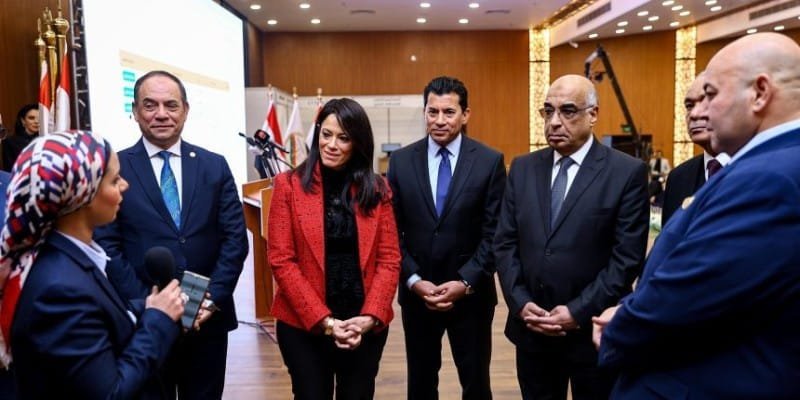
Egypt has taken a significant leap toward enhancing transparency and citizen engagement with the launch of two groundbreaking digital initiatives aimed at modernising the country’s governance: an e-voting system and a new complaints and performance measurement program. Unveiled at the Administrative Prosecution Authority, the event was marked by the presence of key officials, including Minister of Planning, Economic Development, and International Cooperation Rania Al-Mashat, Justice Minister Adnan Fangary, and Youth and Sports Minister Ashraf Sobhi. This move aligns with President Abdel Fattah Al-Sisi’s broader vision for a more efficient and digitally advanced government.
The launch of these projects follows the signing of a cooperation protocol in 2022 between the Ministry of Planning and the Administrative Prosecution Authority. This partnership aims to modernise information systems and streamline election processes, marking the beginning of a larger effort to digitise public services and ensure more transparent governance. Minister Al-Mashat highlighted the ongoing collaboration between national institutions like the Ministry of Justice and the Ministry of Youth and Sports, underscoring the importance of integrated, cross-departmental efforts to advance Egypt’s development goals.
The “Enhancing Government Performance” project is one of the flagship initiatives designed to assess and improve the delivery of public services. It aims to provide decision-makers with accurate data to close performance gaps within government agencies. By leveraging technology, the project empowers citizens to submit complaints via mobile apps, streamlining the complaints and feedback process. This shift not only promises more efficient service delivery but also promotes transparency and holds government agencies accountable for their performance. This initiative is aligned with Egypt’s Vision 2030, which prioritises governance, transparency, and active citizen engagement. It also supports the country’s National Anti-Corruption Strategy, contributing to the broader goals of achieving the United Nations’ 16th Sustainable Development Goal (SDG), which focuses on peace, justice, and strong institutions.
Another critical component of the launch is the e-voting system, which aims to replace traditional paper-based election methods with a more efficient, secure, and transparent electronic platform. The initiative has already been implemented in 16 elections, including those for the Musicians’ Syndicate and the Administrative Prosecution Authority Club, and it is designed to ensure a smoother, more cost-effective voting experience. The e-voting system also reduces the environmental impact of elections by cutting down on paper usage and lowering carbon emissions associated with transportation. The system promises to improve trust in the electoral process by minimising human error and ensuring more accurate results.
These initiatives are part of a broader push to digitally transform Egypt’s public services and foster greater citizen participation in governance. The complaints and performance measurement program provides an opportunity for citizens to voice their concerns directly while also contributing to the overall improvement of service quality. As more citizens engage with these digital platforms, the government aims to build a more responsive and efficient administration that meets the needs of its people.
Minister Al-Mashat emphasised that the launch of these projects is part of Egypt’s ongoing efforts to build a digital society that enhances governance and public sector accountability. She highlighted the commitment of the Ministry of Planning to continue fostering economic and social development through strong partnerships with other national institutions. This collaborative approach is seen as crucial to achieving Egypt’s Vision 2030 goals, which aim for a more modern and inclusive state.
The government’s focus on digital transformation not only promises to improve the quality of governance within Egypt but also positions the country as a regional leader in adopting innovative technologies to enhance public sector performance. With these initiatives, Egypt aims to build greater trust between its citizens and government, promoting active participation in national development and setting a precedent for other nations in the region to follow.
Last year, the African music scene witnessed several rookies take a leap forward and ascend to stardom. We saw the rapid rise of Ayo Maff,Qing Madi, and Uncle Waffles, who collectively delivered memorable projects and hit singles that resonated across the continent.
While 2024 did not produce an obvious breakout artist across all the top genres—such as Afrobeats, alté, highlife, amapiano, fuji, and more—several rising artists had a strong year, positioning themselves for a prosperous 2025.
As we step into 2025, African Folder is showcasing 15 of the brightest African artists we believe have the potential to shine even brighter this year. Here are the African artists we’re rooting for in 2025.
1. Llona (Nigeria)
2024 was the year of Llona. The Kano State native, armed with confidence in his craft, took a bold leap of faith by releasing his debut album, Homeless, while still a relative newcomer. Five months later, Llona is no longer a rookie. He has become one of the brightest gems in Nigerian music. Homeless was a resounding success, enjoying permanent residency on the Nigerian charts across all platforms. It catapulted Llona from a niche favourite to a mainstream sensation and expanded his fanbase exponentially.
In 2025, Llona’s stock is expected to continue rising as he aims to blossom into a household name.
2. ZerryDL (Nigeria)
One of the biggest beneficiaries of Shallipopi’s meteoric rise in 2023 was his brother, ZerryDL. Riding the wave of Shalli’s success, ZerryDL scored his breakout hit with Puff Puff Pass. However, in 2024, ZerryDL proved two critical points: first, that he isn’t a one-hit wonder, and second, that he possesses the talent and artistry to establish himself as a hitmaker in his own right—independent of his brother.
Despite starting the year with the poorly received Wara Wara Szn, ZerryDL bounced back emphatically in the final quarter of the year, scoring two major hit records—Back to Back and the Hausapiano remix—while lending swaggering verses to Bayanni and Ayo Maff. With his debut album in the works, Zerry is poised to leave his mark on Nigerian music in 2025.
As music consumers craved something different from the Amapiano fusion that dominated the better part of the last five years, FirstKlaz emerged as a refreshing force, offering a distinctly unique sound. His innovative blend of Afropop with Fuji—coined as Gen Z Fuji and Gen Z Faaji—and Arewa Pop, also known as Gen Z Arewa, injected much-needed vibrancy into the music scene.
Aiming to leave his mark on the Nigerian music industry, FirstKlaz is brimming with potential, especially following the success of his nationwide tour.
4. Arathejay (Ghana)
Arathejay is the latest Ghanaian talent making waves in Nigeria and across Africa. The multifaceted artist first found success in 2021 when his song Sankofa disrupted Ghanaian airwaves and charts, even earning the attention of King Promise, one of Ghana’s biggest stars. Since then, the artist—who describes his sound as spiritual—has come into his own, delivering music imbued with profound emotional depth.
Now, after releasing the Black Sherif-assisted Jesus Christ 2, Arathejay is determined to leave his mark on the world.
5. Tar1q (Nigeria)
Since its inception, Chocolate City has consistently introduced and nurtured emerging talents, with Tar1q leading the charge as a standout among the latest additions to the label’s roster. While his penchant for love and sex is reminiscent of his label mates Blaqbonez and Young Jonn, Tar1q masterfully engineers diverse sounds and topics, presenting them in ways that feel both refreshing and different. With three critically acclaimed EPs to his name, it’s evident that his incubation period has run its course. Now, it’s time for the Son of the Moon to become a superstar.
6. Winny (Nigeria)
Winny enjoyed a cool Detty December moment as Grammy award-winning superstar Wizkid showed off his newly acquired MClaren 750s with her song playing in the background. The song is the sultry reggae fusion Suh Good featuring Projexx off her 2024 album Commercial Break. A project described by Rolling Stone as a must-listen. With the awareness of the fact that Big Wiz is a fan of Winny’s music, one would hope the seminal superstar would not mind lending a career-propelling verse to the talented upstart. Regardless, Winny’s career trajectory is steadily climbing in the right direction; there will be no surprises if it all comes to a head in 2025.
7. Yarden (Nigeria)
While Yarden has enjoyed a well-deserved moment with the success of his viral single Wetin, he remains an artist worth keeping in the spotlight. The Port Harcourt native has yet to solidify his status as a bona fide star, despite his expansive talents. His debut project, The One Who Descends, left a mark on the music industry, while his vibrant performance on Ole—alongside DMW signee Logos Olori and Crayon—further underscores his exceptional talent and undeniable star quality.
After a relatively quiet 2024, Yarden is expected to shine brightly in 2025.
8. Taves (Nigeria)
For Taves, the question has never been if but when. His incredible talent is obvious to all, which is why it was no surprise when it was announced that he had signed with Atlantic Records UK early in the year. His debut EP, Are You Listening, houses memorable songs that enforce the fact that Taves is one for the present and the future.
9. Muyeez (Nigeria)
Street Pop’s teenage sensation, Muyeez, had a whirlwind year in 2024. He signed to a label, delivered a smash hit in the first quarter, released three EPs in rapid succession with chart-topping singles, and ultimately parted ways with the label. With the raw talent and unshakeable confidence of Seyi Vibez’s young protégé, it’s safe to say the journey is only just beginning—and it’s bound to get even wilder.
10. TML Vibez (Nigeria)
The streets remain a hotbed for emerging Nigerian talents, and TML Vibez is at the forefront of a new generation advancing street pop through a vibrant fusion of sounds. His debut year in the mainstream was filled with EPs, features, and electrifying live performances, as the 24-year-old wasted no time acclimating to the atmosphere of the Nigerian music industry.
With his feet firmly planted, the Vibez Inc. frontman is expected to deliver an album that cements his place in street folklore and propels him to superstardom.
Among the vanguard of female Afropop singers, Kold AF shines as a trailblazer, infusing the genre with fresh energy and innovation. Her boundless range, remarkable versatility, and commanding vocals, paired with a sharp lyrical prowess, have positioned her as a disruptive force in the industry. With a touch of feminine angst woven into her artistry, Kold AF is redefining the narrative and making her mark as a standout talent. Her versatility, anchored by her powerful voice, will have her taking over stages around the world.
12. Serøtonin
Serøtonin began to make waves in 2024 with his viral single May 10th, a fresh, groovy, playful Afrobeats record that is distinctly different. The record has racked up over 4 million streams on Spotify alone and earned the attention of Muyiwa Awoniyi, who manages Tems and Omah Lay. With proper backing, it is expected that his output will be significantly better in 2025 as he looks to leave his imprint on the Nigerian music scene. He sounds like he has a lot to offer.
13. Muthaka (Kenya)
The Kenyan singer-songwriter, Muthaka, has made a name for herself in the last four years with her luxury brand of R&B. She is a sucker for romance, and she wields her enchanting voice to captivate her listeners. The Afrimma award-winning superstar is one to keep an eye on as she continues to grow into one of the continent’s finest musicians.
14. Usimamane (South Africa)
South Africa remains a hotbed for some of Africa’s finest rap talents, and Usimamane is the newest star on the rise. At just 21 years old, this young upstart is quickly becoming a household name, racking up impressive streaming numbers across multiple DSPs. His penchant for a bouncy and youthful brand of American trap music, delivered in Zulu, is reminiscent of South African rap titan Nasty C in some ways.
Usimamane’s 2024 album, 20th: Days Before Maud, is a must-listen.
15. J Kree (Cameroon)
J Kree is the latest Cameroonian talent making waves across Africa. The versatile artist first gained recognition in 2021 when his debut track, Salivating, struck a chord with fans and marked the beginning of his journey as one of Cameroon’s brightest stars. Since then, the artist—who effortlessly blends New Wave, Alte, and Afro Fusion—has continued to carve out his own lane in the African music scene.
J Kree’s viral cover of Libianca’sPeople amassed over 700,000 streams, including 250,000 on Spotify, cementing his ability to connect with audiences on a deeper level. Now, his 2024 single Believe is inspiring a new wave of creativity.
Umjolo: My Beginning, My End! picks up right where The Gone Girl left off, plunging us into the tangled love life of Mayi, a woman torn between passion and responsibility.
Directed by Zuko Nodada and written by Thuli and Thuthu Zuma, the film follows Mayi, who’s set to marry Sizwe, heir to the Jama empire. But her plans take a turn when she meets Zweli on her 30th birthday, sparking an undeniable connection.
Caught between love and duty, Mayi must make a life-altering choice.
Plot
Mayi, a young woman from a modest background, is engaged to Sizwe, the affluent heir of the Jama empire. While this might seem like a fairy tale to many, Mayi feels torn, searching for true happiness and meaning in her life.
On her 30th birthday, everything changes when she meets Zweli—a saxophonist and bookstore owner who instantly steals her heart. Though Zweli isn’t as wealthy as Sizwe, their connection is undeniable, and sparks fly from their very first date, ending in a kiss. However, Zweli’s discovery of Mayi’s engagement causes him to hesitate. Despite this, love pushes him to persist, and Mayi begins to reconsider her path.
But just as Mayi leans toward Zweli, his past resurfaces in a way that complicates everything. Hurt by the situation, Mayi decides to stick with her engagement and move forward with the wedding. Yet, on her wedding day, fate intervenes as Zweli appears, forcing Mayi to make a heart-wrenching decision. Will she honour her duty or take a leap toward the love she truly desires?
Cast
The ensemble cast of Umjolo: My Beginning, My End! brought undeniable talent, yet the film struggled to breathe life into its characters. While the performances by Nirvana Nokwe-Mseleku as Mayi, Yonda Thomas as Zweli, and Nkanyiso Makhanya as Sizwe were commendable, it often felt like the actors were battling against a script that didn’t allow them to shine.
The supporting cast, including Baby Cele as Mrs. Jama, Themba Ndaba as Mayi’s father,Zama Ngcobo, andMavuso Magabane, added depth, but the lack of engaging dialogue and slow pacing made connecting with their roles feel like a chore.
Umjolo My Beginning, My End! [Credit: Netflix]
As much as the movie leaned into its romance-drama genre, the dragging narrative and cumbersome character development made it difficult to immerse in the story fully. The talented cast deserved a better script to showcase their abilities truly, but unfortunately, the writing fell flat, leaving the film underwhelming.
Language
The movie was performed in Zulu.
Summary
The Umjolo franchise seems to stumble further with each new installment, and My Beginning, My End! is undoubtedly the lowest point yet. What should have been an emotional and engaging romance instead feels like an overly long trailer, ending before it even begins.
Mayi, the main character in My Beginning, My End!, is arguably the weakest link in the film, mainly due to her lack of character development. Without any real exploration of her personality or motivations, it’s nearly impossible for the audience to connect with her, much less understand the decisions she makes. Her romance with Zweli feels rushed, and her relationship with Sizwe is equally baffling—how did they even get to a point where she felt unhappy? Why did she choose him in the first place? These crucial questions go unanswered, leaving viewers frustrated.
Adding to the confusion is the random subplot involving the Jama family’s pregnancy and cheating drama. While side stories can add depth, this particular one feels like an unnecessary distraction that doesn’t contribute anything meaningful to the main plot. It’s disappointing that Thuli thought it was okay to include this without properly setting up any backstory for it, leaving viewers lost.
Umjolo: My Beginning, My End! is poorly structured and lazily executed, leaving the audience questioning why it was made in the first place. For a franchise that once showed promise, this entry feels like a rushed, disappointing misstep.
Ultimately, the only thread connecting the three parts of the Umjolo franchise is the wedding, and it’s hard to see it as a true franchise when the storylines are so disjointed. This installment falls flat, and it’s clear the filmmakers were overambitious in calling it a franchise.
Africa’s tech ecosystem has become a hotbed of innovation and opportunity, with startups addressing diverse industry challenges. From fintech to ed-tech, e-commerce to renewable energy, these companies are not just attracting investment but are also pushing boundaries with creative solutions tailored to the continent’s unique needs. Despite economic uncertainties and regulatory hurdles, many African startups thrive, often providing blueprints for scaling in emerging markets worldwide.
This list highlights 20 African startups leading the charge into 2025. They span various sectors, including digital finance, e-commerce, electric mobility, and ed-tech. These companies exemplify Africa’s innovative spirit, merging cutting-edge technology with local insights to solve real-world problems. One can see a clear roadmap for Africa’s growing influence on the global tech landscape by examining their strategies, accomplishments, and funding milestones.
With a focus on startups that are not only gaining traction locally but also expanding into regional and global markets, this collection showcases the continent’s potential as a hub of transformative ideas.
Here are the 20 African startups poised for success in 2025.
Founded in 2020 by Ananth Gudipati and Abhinav Solipuram, Sukhiba is reshaping Kenya’s e-commerce landscape with its innovative B2B conversational commerce platform. The startup allows customers to order products directly through WhatsApp, prioritizing convenience and personalization. By leveraging the familiarity of chat-based interactions, Sukhiba builds trust with its users, positioning itself as a preferred alternative to impersonal e-commerce sites.
Despite challenges in the e-commerce sector, Sukhiba has thrived, raising $1.5 million in 2024 while competitors scaled down operations. The funding underscores its resilience and market appeal, with the platform steadily gaining traction among businesses seeking direct and reliable communication with their suppliers and customers. Sukhiba’s approach highlights the growing demand for trust-driven digital commerce solutions in Africa.
2. KopoKopo (Kenya)
kopokopo staff [Credit: TechCabal]
Established in 2012 by Ben Lyon and Dylan Higgins, KopoKopo has been a pioneer in offering tailored payment and credit solutions for small and medium-sized businesses in Kenya. The startup carved out its niche in a market heavily dominated by banks and mobile money providers by addressing the unique needs of SMEs. Through KopoKopo’s platform, businesses can access seamless payment options and credit facilities, empowering them to scale and improve cash flow management.
In 2023, KopoKopo gained significant attention when it was acquired by Nigeria’s Moniepoint, marking a strategic expansion of the fintech giant into East Africa. The acquisition highlights KopoKopo’s value in driving financial inclusion and supporting underserved markets. As part of Moniepoint, KopoKopo is set to amplify its impact, leveraging the combined strengths of both entities to transform East Africa’s digital payment ecosystem.
3. Craydel (Kenya)
Craydel co-founders John Nguru, Manish Sardana and Shayne Aman Premji [Credit: Forbes Africa]
Launched in 2021 by John Nguru, Manish Sardana and Shayne Aman Premji, Craydel is revolutionizing Africa’s education consultancy landscape by offering a centralized platform for university applications. The startup connects students to over 600 partner universities across 45 countries, providing personalized recommendations and streamlining the study-abroad process. By addressing inefficiencies in Africa’s fragmented education system, Craydel ensures students can access quality higher education opportunities with ease.
In 2024, Craydel expanded its operations to Zimbabwe, further solidifying its position as a pan-African ed-tech leader. With its unified platform and extensive network of partner institutions, Craydel is transforming how students navigate academic opportunities, empowering the next generation to achieve their aspirations through education.
4. FoodCourt (Nigeria)
Foodcourt co-founders Henry Nneji, Ovuoke Buluku and Paul Adokiye Iruene, [Credit: Techpoint Africa]
Founded in 2021 by Henry Nneji, Ovuoke Bulukuand Paul Adokiye Iruene, FoodCourt is redefining the food delivery landscape in Nigeria. The platform allows users to order meals from multiple restaurants via a mobile app, offering features like cashless payments and grouped order capabilities. Based in Lagos, FoodCourt has become a key player in Nigeria’s digital food service sector, providing convenience and efficiency for both customers and restaurants.
FoodCourt’s commitment to innovation has made it a household name in urban food delivery. By focusing on user-friendly experiences and diverse restaurant options, the startup continues to grow its customer base, setting the standard for digital dining services in Nigeria’s bustling metropolises.
5. BasiGo (Kenya)
BasiGo [Credit: TechCabal]
BasiGo is leading the charge in sustainable public transportation in East Africa. Since its founding, the company has focused on scaling electric mobility solutions, particularly electric buses, to address urban transport challenges. In 2024, BasiGo raised $42 million, with support from British International Investment and the US Development Finance Corporation, enabling the startup to expand its operations regionally.
CEO Jit Bhattacharya highlighted the company’s role in driving sustainability and reducing carbon emissions in Africa’s transport sector. Through its partnerships and innovative approach, BasiGo is setting a benchmark for clean and efficient public transportation, paving the way for a greener future in East Africa.
6. Userguest (Morocco)
Usergest co-founders Ahmed Chami, Assil Bernossi, and Hicham Benyebdri [Credit: Benjamindada]
Userguest, founded in 2018 by Ahmed Chami, Assil Bernossi, and Hicham Benyebdri, is revolutionizing hotel revenue optimization with AI-driven personalized marketing. The platform enables hotels to provide tailored website experiences for their guests, boosting direct bookings and enhancing customer satisfaction. Operating in over 30 countries, Userguest has generated $100 million in direct revenue for its partner hotels, cementing its reputation as a leader in hospitality technology.
With the rise of digital transformation in the travel industry, Userguest continues to empower hotels to compete with online travel agencies. By leveraging AI to analyze guest preferences and behaviours, the startup offers a competitive edge to its clients, making it an indispensable partner for revenue growth in the hospitality sector.
7. LabLabee (Algeria)
LabLabee Team [Credit: Lablabee.com]
LabLabee, founded in 2021 by Samir Tahraoui and Mahfoud Sidi Ali Mebarek, specializes in practical training for networking technologies, including 5G, telecom, and AI. By offering affordable training solutions for enterprises and universities, LabLabee is addressing the skills gap in Africa’s tech industries. In 2024, the startup raised $3.4 million to expand its services, particularly in advancing 5G technology training.
LabLabee’s hands-on approach to education ensures that learners are job-ready, making it a valuable resource for organizations transitioning to next-generation technologies. As Africa continues to embrace digital transformation, LabLabee’s innovative training solutions position it as a key enabler of technological advancement and workforce development.
8. Cleva (Nigeria)
Cleva [Credit: Yahoo Finance]
Cleva is transforming cross-border payments by enabling Africans to open secure USD accounts. Founded by Tolu Alabi and Philip Abel, the fintech startup empowers users to combat hyperinflation and conduct international transactions with ease. In 2024, Cleva secured $1.5 million in pre-seed funding to enhance its platform, which offers a seamless and secure experience for global payments.
The startup’s mission to democratize access to stable currencies has resonated with individuals and businesses across Africa. Cleva’s intuitive platform and innovative solutions provide a vital lifeline for users navigating economic uncertainties, solidifying its role as a disruptor in the African fintech ecosystem.
Kenyan skincare brand Uncover raises $1.4 million [Credit: Uncover Skincare]
Uncover, a skincare brand co-founded in 2021 by Sneha Mehta, Jade Oyateru, and Catherine Lee, combines K-Beauty technology with a focus on inclusivity to create products tailored for women of color. The startup raised $1.4 million in 2024 to expand its operations, including a planned entry into the Nigerian market. With personalized skincare solutions, Uncover is redefining beauty standards and celebrating diversity in the industry.
By leveraging data-driven insights and consumer feedback, Uncover ensures its products meet the unique needs of its target demographic. The startup’s commitment to inclusive beauty has earned it a loyal customer base, and its expansion plans highlight its ambition to become a leading name in the global skincare market.
10. Chowdeck (Nigeria)
Chowdeck Team [PHOTO CREDIT: Chowdeck]
Founded in 2021 by Femi Aluko, Olumide Ojo, and Lanre Yusuf, Chowdeck has rapidly scaled to serve 500,000 users across eight Nigerian cities. The food delivery startup combines efficiency with global best practices, offering a seamless experience for both customers and restaurant partners. Backed by prominent investors like Y Combinator and True Culture Funds, Chowdeck has established itself as a formidable player in Nigeria’s food-tech space.
Chowdeck’s growth is driven by its focus on reliability and user satisfaction. By streamlining food delivery processes and investing in technology, the startup continues to set itself apart in a competitive market, providing a model for innovation in Africa’s burgeoning digital economy.
11. Bokra (Egypt)
Bokra team [Credit: Techpoint Africa]
Launched in 2023 by Ayman El-Sawy, Bokra is democratizing wealth management for individuals and SMEs in Egypt. The fintech startup provides tailored investment plans with low entry barriers, addressing the accessibility challenges in Egypt’s financial markets. In 2024, Bokra raised $4.6 million to expand its platform and bring investment opportunities to underserved communities.
With a user-friendly interface and educational resources, Bokra empowers users to make informed financial decisions. By simplifying investments, the startup is fostering financial inclusion and helping a new generation of Egyptians build wealth, setting a precedent for fintech innovation in the region.
12. VaultPay (DR Congo)
Vaultpay co-founders Ntambwa Basambombo and Christel Ilaka [Credit: Linkedin]
Founded in 2023 by Ntambwa Basambombo and Christel Ilaka, VaultPay is building payments infrastructure for Central Africa, addressing the region’s low banking penetration. The startup enables instant transactions through telco networks, providing a vital service for underbanked populations. VaultPay’s potential was highlighted when it joined Y Combinator’s Summer 2024 class, marking it as a key player in financial inclusion.
By leveraging existing telecom infrastructure, VaultPay is bridging the gap between traditional banking and underserved communities. Its innovative solutions are transforming how people in Central Africa access financial services, laying the foundation for economic growth in the region.
13. Bamboo (Nigeria)
Bamboo founders Richmond Bassey and Yanmo Omorogbe [Credit: TechCabal]
Founded in 2019 by Richmond BasseyandYanmo Omorogbe, Bamboo empowers Africans to invest in local and global stocks seamlessly. The platform’s user-friendly interface provides access to a wide range of investment options, making it a go-to for both novice and experienced investors. In 2024, Bamboo expanded to Canada, introducing fee-free remittance services for the African diaspora, further enhancing its appeal to users seeking secure and low-cost financial solutions.
Bamboo’s mission to democratize access to investment opportunities has been a game-changer for individuals and businesses alike. By fostering financial literacy and enabling wealth creation, the startup has become a pivotal player in Africa’s growing fintech ecosystem, setting the stage for continued expansion and innovation.
14. Grey (Nigeria)
Grey founders Idorenyin Obong and Femi Aghedo [Credit: Techeconomy]
Grey, co-founded in 2020 by Idorenyin Obong and Femi Aghedo, simplifies global payments with its virtual international bank accounts tailored for freelancers and remote workers. The fintech surpassed one million users in 2024, offering virtual accounts in USD, GBP, and EUR, which enable users to transact internationally with ease. Grey’s intuitive platform is particularly valuable for digital nomads and businesses navigating cross-border transactions.
By addressing the challenges of global payments, Grey has positioned itself as a trusted partner for Africa’s remote workforce. Its robust growth reflects the increasing demand for seamless and secure financial solutions, solidifying its reputation as a leader in the continent’s fintech landscape.
15. Midddleman (Nigeria)
Midddleman co-founders Omolara Sanni and Adeola Owosho [Credit: Ikeja Record]
Midddleman, launched in 2023 by Omolara Sanni and Adeola Owosho, is redefining African e-commerce by addressing trust and logistics challenges in trade with China. The startup simplifies currency conversions to Yuan (CNY), making it easier for vendors to source products from China. In 2024, Middleman gained significant traction, winning notable grants such as the FCMB HERccelerate and Wetech PitchHER. The company ended the year with over ₦1 billion in total transaction value.
Midddleman’s innovative approach to solving trade inefficiencies has earned it a growing customer base and industry recognition. By enabling seamless international transactions, the startup is empowering African businesses to thrive in the global market, solidifying its role as a key player in the e-commerce sector.
16. Terrahaptix (Nigeria)
Terrahaptix founders Nathan Nwachuku and Maxwell Maduka [Credit: Techpoint Africa]
Terrahaptix, a Nigerian drone company founded by Nathan Nwachuku and Maxwell Maduka, is revolutionizing mining operations across Africa. The startup exports drones to South Africa, offering cutting-edge solutions for site mapping, equipment inspection, and environmental monitoring. By prioritizing safety and efficiency, Terrahaptix is addressing critical challenges in the mining industry.
The company’s focus on innovation and cross-border collaboration has positioned it as a leader in Africa’s growing drone technology sector. As industries increasingly adopt automated solutions, Terrahaptix’s expertise in drone applications is helping to modernize operations and drive sustainable growth.
17. GoMetro (South Africa)
GoMetro founders [Credit: TechFinancials]
GoMetro, a leader in electric fleet management solutions, raised $11.4 million in 2024 to expand its operations across Africa. The startup collaborates with Zenobē Energy to finance electric buses, facilitating fleet electrification and sustainable public transport systems. GoMetro’s innovative platform optimizes fleet efficiency, contributing to the continent’s transition to green mobility.
By addressing the environmental and economic challenges of traditional transport systems, GoMetro is playing a pivotal role in Africa’s sustainable transport revolution. Its partnerships and technological advancements underscore its commitment to reducing carbon emissions and improving urban mobility.
18. Lesaka (South Africa)
Lesaka [Credit: TechCabal]
Lesaka, formerly known as Net1, strengthened its position in South Africa’s fintech market with the acquisition of Adumo in 2024. This strategic move has significantly boosted Lesaka’s scale, enabling it to process $15.5 billion in annual transactions. CEO Lincoln Mali highlighted the integration as a critical step toward enhancing the company’s payment solutions and financial inclusion efforts.
With a focus on leveraging technology to drive financial accessibility, Lesaka has become a trusted partner for businesses and individuals alike. Its commitment to innovation and customer-centric solutions has made it a cornerstone of South Africa’s fintech ecosystem.
19. Auto24 (Ivory Coast)
Auto24 [Credit: Imotoimoto]
Launched in 2022, Auto24 is transforming Africa’s automotive retail space. The marketplace expanded to Morocco, Rwanda, Senegal, and South Africa in 2023, offering value-added services such as vehicle warranties and electric charging solutions. By prioritizing customer convenience and sustainability, Auto24 is redefining the car-buying experience on the continent.
Auto24’s rapid expansion highlights its success in addressing the evolving needs of African consumers. Its innovative approach to automotive retail positions it as a key player in the region’s growing vehicle market, setting new standards for trust and efficiency.
20. NALA (Tanzania)
NALA [Credit: Disrupt Africa]
NALA, a fintech focused on simplifying cross-border payments, has become a lifeline for Africans navigating high remittance fees. With backing from prominent investors like Amplo and NYCA Partners, NALA’s platform leverages innovative technology to cut costs and enhance accessibility. Its user-friendly app enables fast and reliable money transfers, making it a popular choice for individuals and businesses alike.
As the demand for affordable remittance services grows, NALA continues to expand its reach, empowering users across the continent. By prioritizing financial inclusion and leveraging cutting-edge solutions, NALA is shaping the future of cross-border payments in Africa.
The Premier League continues to be a dream destination for footballers worldwide, offering not only fierce competition but also lucrative financial rewards. African players have been among the biggest beneficiaries, with their talents commanding significant salaries and cementing their status as indispensable assets for their clubs.
In this article, we’ll explore the top-earning African footballers in the Premier League for 2025. From seasoned veterans to rising stars, these players exemplify the growing influence and financial power of African talent in the world’s most popular football league.
Mohamed Salah remains the highest-paid African player in the Premier League, earning an astonishing €424,621 weekly at Liverpool. Youngsters like Mohammed Kudus and Pape Sarr are the highest-paid African footballers in the Premier League below 25, while Alex Iwobi is the highest-paid Nigerian footballer in the Premier League.
Their remarkable achievements on the pitch are matched by their impressive earnings, reflecting their impact on and off the field. Here’s a detailed breakdown of the top 10 earners, followed by the full list of African players who are thriving in the Premier League financially, according to Capology.
Highest-Paid African Footballers in Premier League 2025
The highest-earning African footballers in the premier league 2025 [Credit: Ahram Online]
1. Mohamed Salah: €424,621-a-week
Club: Liverpool
Weekly Wage: €424,621
Salah’s extraordinary performances since joining Liverpool have solidified his legacy as one of the Premier League’s all-time greats. His consistent goal-scoring prowess and leadership have earned him the league’s highest weekly salary for an African player.
2. Thomas Partey: €242,641-a-week
Club: Arsenal
Weekly Wage: €242,641
As a linchpin in Arsenal’s midfield, Partey brings stability and creativity. The Ghanaian international is vital to the Gunners’ title aspirations, justifying his position as one of the league’s highest earners.
A recent addition to Manchester United, Mazraoui has quickly established himself as a key player. His versatility and defensive prowess make him a valuable asset for the Red Devils.
4. Abdoulaye Doucouré: €157,716-a-week
Club: Everton
Weekly Wage: €157,716
Doucouré’s combative style and goal-scoring ability from midfield have made him a fan favourite at Everton. His contributions are critical to the club’s ambitions, both domestically and in Europe.
5. André Onana: €145,584-a-week
Club: Manchester United
Weekly Wage: €145,584
Onana has proven to be a reliable presence between the sticks for Manchester United. His shot-stopping ability and composure have solidified his reputation as one of the best goalkeepers in the league.
6. Idrissa Gueye: €145,584-a-week
Club: Everton
Weekly Wage: €145,584
Gueye’s experience and midfield tenacity continue to make him a vital part of Everton’s lineup. At 35, he shows no signs of slowing down.
7. Nicolas Jackson: €121,320-a-week
Club: Chelsea
Weekly Wage: €121,320
Jackson has quickly become a promising talent for Chelsea, showcasing skill and maturity beyond his years. His performances make him one of the top-earning young African players.
8. Mohammed Kudus: €109,188-a-week
Club: West Ham United
Weekly Wage: €109,188
Kudus has brought creativity and flair to the Hammers’ midfield, earning his spot among the highest-paid African footballers in the Premier League.
9. Alex Iwobi: €97,056-a-week
Club: Fulham
Weekly Wage: €97,056
Iwobi continues to be a consistent performer in the Premier League, combining creativity and work rate to excel for Fulham.
Daka’s knack for finding the net has made him an invaluable player for Leicester, ensuring his place among the league’s best-compensated African forwards.
Full List of African Top Earners in the Premier League 2025
Netflix’s second four-part South African film collection delivers a blend of romance and drama, Umjolo: Day Ones. Directed by the talentedFikile Mogodi, this cinematic duo dives deep into the complexities of friendship and love.
At its heart are Zanele and Andile, inseparable besties since day one. But life has a funny way of shaking things up. Now, with Andile married and raising kids, Zanele questions their friendship in this new chapter.
Packed with relatable dilemmas and a sprinkle of South African charm, these films explore the unspoken truths of relationships and the bonds that stand the test of time—or don’t. Whether you’re here for the drama or the feels, Umjolo and Day Ones are sure to leave you reflecting on your own “day ones.”
Plot
For over 20 years, Zanele and Andile have been the epitome of best friends. Andile, now married to Jess and a father of two, has always shared a close bond with Zanele—a closeness Jess embraced as Zanele became the perfect aunt to their kids. But beneath the surface, Zanele has quietly wrestled with unrequited feelings for Andile. To complicate things further, Andile’s family has always preferred Zanele over Jess.
The fragile balance of their friendship shatters during a school reunion when Zanele and Andile cross the line into forbidden territory. While Zanele moves on quickly, Andile finds himself unable to let go of what happened. Enter Sbu, a charismatic lounge owner and one of Zanele’s clients, who sweeps her off her feet and into the dating world. Things seem promising until Sbu brings up the idea of starting a family—a deal breaker for Zanele, prompting her to end things.
Three months after the fateful reunion, Zanele discovers she’s pregnant. Though the baby is Andile’s, she pins the paternity on Sbu, who accepts it wholeheartedly. But fate intervenes when Zanele and Andile cross paths again, and she confesses the truth: the baby is his, but she wants him out of her life. Andile reluctantly agrees, until a gender reveal live stream reveals she’s expecting a boy. Unable to contain his emotions, Andile crashes the event, causing a scene that ultimately destroys his marriage to Jess.
With Andile’s marriage in ruins and emotions running high, one question lingers: will this revelation bring Zanele and Andile closer together, or has their bond been irrevocably broken?
Cast
Sibusisiwe Jili shines as Zanele, effortlessly capturing her character’s emotional evolution. From her silent longing for Andile to her eventual indifference, Jili’s ability to communicate these shifts without needing words is a testament to her talent.
Khumbalani Kay Sibiya steps into Andile’s shoes with conviction, delivering a performance that is both frustrating and relatable. While Andile’s choices often make him hard to root for, Sibiya’s nuanced portrayal adds layers to the character, making it impossible not to empathise with him—at least occasionally.
Umjolo Day Ones [Credit: Midgard]
Trix Vivier plays Jess, Andile’s wife, but her portrayal of the character falls somewhat flat. The emotional depth Jess’s scenes demanded often felt underwhelming, which could have added more gravity to the story’s intense moments.
In contrast, Menzi Biyela brings authenticity to Sbu, Zanele’s brief love interest. Known for his musical artistry, Biyela’s understated and natural performance gives Sbu a quiet charm that resonates.
Rounding out the cast are Shezi Sibongiseni and Tyson Mathonsi, familiar faces from Gone Girl, as friends to Zanele and Andile. Their presence adds warmth and a sense of camaraderie to the story. Meanwhile, Sam Sbosh lends their voice as the narrator in Day Ones, tying the two films together with a rich storytelling touch.
Language
Umjolo: Day Ones was performed in isiZulu, a native South African language. IsiZulu, part of the Southern Bantu languages in the Nguni branch, is widely spoken and indigenous to Southern Africa.
Summary
The second installment in the Umjolo series, Day Ones, had big shoes to fill after the success of Gone Girl. Unfortunately, while it showed great promise in its opening moments, the film ultimately left many viewers disappointed.
The story began with intrigue and the potential for deep emotional exploration, but it stumbled as it approached the finish line. The ending, in particular, felt rushed and unsatisfactory, leaving audiences craving more resolution. While the film’s realism might resonate with some, it failed to strike the right chord, leaving many grappling with moral unease rather than emotional closure.
Andile’s family dynamics added to the frustration, with their constant meddling and favouritism coming across as more grating than impactful. While such themes are grounded in reality, the film struggled to deliver a cohesive message that viewers could connect with.
Ghana is one of the most dominant countries in Africa and the second most populous country in West Africa. It is a country noted for its iconic history. Ghana was one of the first sub-Saharan African countries to gain independence. At that time, Ghana was seen as a symbol of black unity and renaissance. Ghana was considered the beacon of hope for black Africa.
To date, Ghana has continued to represent the dream of black Africa, projecting itself as the home of African culture and idealism. The country has continued to influence the thought process, culture, fashion, music, and style of other African nations. In West Africa, where it is located, it contributes a lot to the growth and development of the region.
Notwithstanding the small size of Ghana, the country is populous and diverse. There are over 70 ethnic groups in Ghana. The landmass of Ghana is quite small to have this large number of ethnic groups. However, the large diversity of their small space is well managed in such a way that there aren’t disastrous conflicts connecting the diverse ethnic groups in that small space.
Among all these ethnic groups, some tribes are more populous, popular, and influential than other tribes. In this article, we’ll be examining the most influential tribes in Ghana. These tribes have influenced the happenings in, around, and out of Ghana. The influence of these tribes goes way beyond their country to other countries in the world.
The Most Influential Tribes in Ghana
1. Akan
Akan is the dominant tribe in Ghana. They make up over 45% of the population of Ghana. They occupy a large landmass in Ghana, and they can also be found in neighbouring countries like Togo and Ivory Coast. The Akan people are not only dominant; they also have a far-reaching influence that goes way beyond the borders of Ghana.
The Akan people are strongly rooted in their traditions. They are strong-willed people who have had a long history of dominating their terrain. During the slave trade era, the tribe wasn’t united; so, they sold their people and those of other cultures into slavery. It was during slavery that the tribe became known as a hard-working and strong-willed tribe.
Akan tribe [Credit: 101 Last Tribes]
The Akan were the ones responsible for the development and growth of the Ashanti Empire. They dominated the economy of the region before colonialism, especially in the trading of gold and slaves. Even during and after colonialism, they have continued to play a significant role in the growth and development of Ghana.
Akan people are mostly successful all over the world. Their strong ties to their traditions ensure that they represent their culture anywhere they are. Around the world, the Akan culture is deeply studied, especially in terms of their cultural and literary values.
The Ewe people are another dominant tribe in Ghana. They make up about 13% of the Ghanaian population. Even though they might not be as large as the Akan people, they are the second most dominant tribe, and their influence within and outside the country is enormous. They are widely known for their acephalous system of government before colonialism. This means that they didn’t have a centralised form of government. Before colonialism, administration was village by village by council of elders.
Ewe tribe [Credit: University of Alaska]
Ewe people aren’t only in Ghana; they can also be found in Togo. They have a domineering culture that has influenced those around them. They are often soaked in their traditions and belief systems; they find a way to influence other tribes positively. They have also produced successful people who have contributed greatly in different fields. People all over the world study the culture and people of the Ewe tribe.
3. Mole-Dagbami
The tribe of Mole-Dagbami is the third most influential tribe in Ghana. They make up 8% of the Ghanaian population. Their influence is possible because of their population and dominance in their region in Ghana. They have a visible culture that’s hard to hide or extinguish. They uphold this culture with pride and exhibit it anywhere they go. This makes the tribe exceptional.
4. Ga-Dangme
Ga-Dangme is one of the most influential tribes in Ghana. Despite that they make up only 7% of Ghana’s population, they thrive a lot wherever they find themselves. They have good traditions and culture that are worth learning from. They showcase this culture and their language wherever they go. Ga-Dangme also has a tradition of hard work that makes them stand out.
Gurma is the fifth most influential tribe in Ghana. With a small population of about 5% of Ghana, they still manage to showcase their culture and language to the people, beating other cultures. The tribe stands out in its region. Their culture influences other cultures that are way beyond the borders of their country.
Conclusion
These are the most influential tribes in Ghana. The Akan people aren’t only influential in Ghana; they are also influential all over the world. Ghana is a wonderful country with deep roots in traditions, culture, and idealism. The country as a whole has tried so much to change the world.
La Liga has long been a magnet for global footballing talent, and African players have played a crucial role in its illustrious history. Today, these athletes represent their countries and make significant contributions to their clubs’ success, often commanding impressive wages for their efforts.
Iñaki Williams leads the pack of the highest-paid African footballers in La Liga with a staggering €219,231 weekly wage at Athletic Club, showcasing his worth as a cornerstone player.
Rising stars like Logan Costa and Ilaix Moriba signal a bright future for African football in Spain, blending youth with undeniable skill.
La Liga has long been a magnet for global footballing talent, and African players have played a crucial role in its illustrious history. Today, these athletes represent their countries and make significant contributions to their clubs’ success, often commanding impressive wages for their efforts.
This article delves into the highest-paid African footballers in La Liga, highlighting their weekly earnings, clubs, and the pivotal roles they play on the pitch according to Capology. These players are a testament to African talent’s growing influence and importance in Spanish football.
Highest-Paid African Footballers in La Liga 2025
1. Iñaki Williams – €219,231-a-week
Club: Athletic Club
At 30 years old, Iñaki Williams is not just the highest-paid African in La Liga but also a cornerstone for Athletic Club’s attacking lineup. His pace, versatility, and commitment to the Basque club have cemented his status as a key player.
2. Brahim Diaz – €140,192-a-week
Club: Real Madrid
The 25-year-old Moroccan forward has become a vital part of Real Madrid’s squad. Diaz’s technical ability and creativity make him a crucial asset for Los Blancos.
After a stellar career in the Premier League, Kelechi Iheanacho, the 28-year-old Nigerian striker has brought his goal-scoring prowess to Sevilla, helping the Andalusian side stay competitive in domestic and European competitions.
4. Jonathan Bamba – €80,000-a-week
Club: Celta Vigo
Known for his flair and attacking mindset, Bamba has been a standout performer for Celta Vigo, making him one of the best-paid players in the club’s history.
5. Mouctar Diakhaby – €79,923-a-week
Club: Valencia
A commanding presence in Valencia’s defence, the 28-year-old Guinean centre-back continues to be a linchpin in the backline.
Burna Boy is atop the trend table again after a dramatic end to his performance at the Greater Lagos Countdown Fiesta 2025. A fan crashed the stage, and Burna Boy, visibly shaken and upset, reacted by cutting his set short. While the incident has sparked outrage online with fans criticising his handling of the situation, it is important to note that this is not the first time something like this has happened. It is becoming an unfortunate recurrence.
Burna Boy faced widespread criticism on social media following his January 3, 2023, concert. Fans expressed frustration over his late arrival and condescending attitude towards the audience. The evening took a further dramatic turn when he stomped on a fan who attempted to crash the stage.
Burna Boy has consistently expressed his disdain for fans crashing the stage during performances and has previously reacted strongly to such incidents. Nevertheless, despite his clear warnings and past reactions, some fans continue to disregard his boundaries.
Social media reactions have been divided. Many are criticising Burna for his ‘unprofessionalism.’ Others, this writer included, believe this situation showcases a bigger problem. Fans need to respect artists’ boundaries. Jumping on stage might seem like an innocent act of excitement, but it’s disruptive, dangerous, and disrespectful.
But why do fans continue to crash the stage despite repeated warnings from artists? For some, it’s simply excitement and euphoria as well as a desire for connection with the artist through selfies or even performing with the artist. Some others are driven by their quest for social media clout and fame. Regardless of the motivation, crashing the stage can have serious consequences, putting the artist, backup performers, stage personnel, and even the stage invader at risk.
Performing on stage is an intense process. Artists pour their energy into delivering a great experience for their audience. When someone crashes the stage, it disrupts the performance, throwing the artist off rhythm and concentration. Stage invasions are not just distractions; they pose a safety threat to everyone present, particularly the performers. Such incidents can escalate rapidly, resulting in severe injuries or, as seen in tragic cases, fatalities.
Dimebag Darrell Abbott, lead guitarist and founder of the heavy metal band Pantera, lost his life on December 8, 2004. While performing with his band, a fan stormed the stage and shot Abbott multiple times. Abbott was pronounced dead at the scene.
Comedian Dave Chappelle was attacked onstage by an armed man as he performed at the Hollywood Bowl arena. The man was armed with a weapon, later determined to be a replica handgun that contained a knife blade. Luckily, Chappelle was unharmed.
Ava Max was assaulted on stage during her Los Angeles concert in 2023. A fan video shows an unidentified man slapping the pop star across the face while being heckled down by her security.
This piece isn’t about justifying Burna Boy’s actions; it’s about addressing the root cause of the issue. Fans need to understand that concerts are shared spaces. Enjoy the music, have fun, be excited, but stay where you’re supposed to. It’s as simple as that.
THIS IS THE FULL CLIP OF THE MOMENT BURNA BOY LEFT THE STAGE AT THE GREATER LAGOS AFTER A FAN JUMPED HIM UNPROVOKED. WHERE WAS THE SECURITY? 🤦🏾♂️ pic.twitter.com/pa0EQ4HrBA
Concert organisers are also responsible for ensuring the safety of fans and the security of artists. To prevent stage crashing, organisers must enforce and communicate the consequences of such actions to fans before the event. This can include warnings on tickets, social media announcements, and on-site signage. Effective stage barriers and crowd monitoring and control, as well as law enforcement agencies, will help prevent such incidents.
Affordable meet-and-greets should also be organised to allow fans to connect with their favourite artists and prevent ridiculous attempts to do so by invading the stage.
If we want artists to keep delivering incredible performances, we must be responsible as fans and respect their boundaries. The stage is for the artist, and invading it crosses a line.