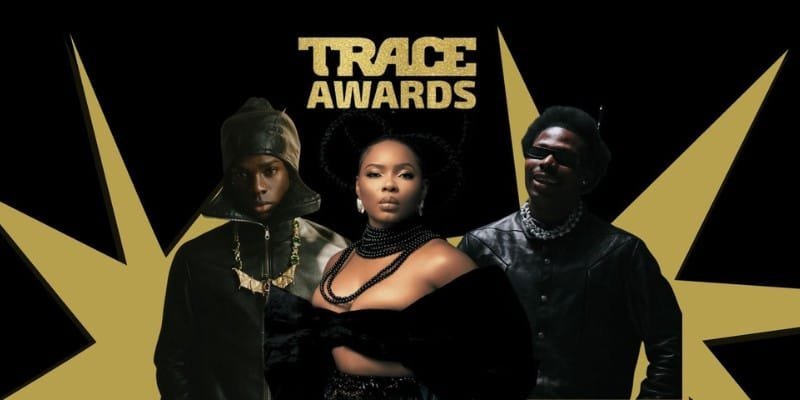
The Trace Awards 2025 took the music world by storm on February 26, 2025, at the stunning Mora Resort in Zanzibar, Tanzania, wrapping up an exhilarating three-day Trace Awards & Summit. Broadcast live to over 200 countries and captivating an estimated 500 million viewers, this year’s Trace Awards 2025 celebrated the heartbeat of African and Afro-inspired music. With a unique voting system—50% from fans and 50% from an expert jury—the event spotlighted top talent across genres like Afrobeat, Amapiano, and beyond.
The Trace Awards 2025 delivered standout moments with its early confirmed winners lighting up the night. Nigeria’s P.Priime claimed Best Producer for his work on MMS, cementing his status as a beat-making powerhouse. South Africa’s Makhadzi stole the show as Best Dancer, her dynamic moves earning thunderous applause. In the regional spotlight, Ivory Coast’s Josey won Best Artist Francophone Africa, while Angola’s Chelsea Dinorath took Best Artist Lusophone Africa, and Brazil’s Duquesa triumphed as Best Artist Brazil, showcasing the global reach of Afro-inspired talent.
See the full Trace Awards 2025 winners list below;
Global Awards
Song of the Year
Tyla – ‘Jump’ (South Africa)
Tyler ICU – ‘Mnike’ (South Africa)
Titom & Yuppe – ‘Tshwala Bam’ (South Africa) – WINNNER
Tamsir x Team Paiya – ‘Coup du Marteau’ (Ivory Coast)
Asake & Travis Scott – ‘Active’ (Nigeria)
Tems – ‘Love Me Jeje’ (Nigeria)
Burna Boy – ‘Higher’ (Nigeria)
Rema & Shallipopi – ‘Benin Boys’ (Nigeria)
Diamond Platnumz – ‘Komasawa’ (Tanzania)
Album of the Year
Burna Boy – I Told Them (Nigeria)
Asake – Lungu Boy (Nigeria)
Rema – Heis (Nigeria) – WINNER
Josey – Vibration Universelle (Ivory Coast)
Amaarae – Fountain Baby (Ghana)
King Promise – True To Self (Ghana)
Stonebwoy – 5th Dimension (Ghana)
Toofan – Stamina (Togo)
Best Collaboration
Titom & Yuppe & Burna Boy – ‘Tshwala Bam’ (Remix) (South Africa/Nigeria)
Neyna & MC Acondize – ‘Nu Ka Sta Para’ (Cape Verde)
Kocee ft. Patoranking – ‘Credit Alert’ (Cameroon/Nigeria)
Asake & Wizkid – ‘MMS’ (Nigeria)
Rema & Shallipopi – ‘Benin Boys’ (Nigeria)
Odumodublvck & Black Sherif – ‘Woto Woto Seasoning’ (Ghana)
Tamsir & Team Paiya – ‘Coup du Marteau’ (Ivory Coast) – WINNER
Best Music Video
Meji Alabi – Rema ‘DND’ (Nigeria) – WINNER
TG Omori – Kizz Daniel & Davido ‘Twe Twe’ (Nigeria)
Director Folex – Zuchu feat Innoss’ B ‘Nani’ (Remix) (Tanzania/DRC)
Nabil Elderkin – Tyla ‘Jump’ (South Africa)
Kmane – Ayra Starr ‘Commas’ (Nigeria)
Seoute Emmanuel – Toofan ‘C Pas Normal’ (Togo)
Ach’B – Innoss’ B ‘Sete’ (DRC)
Edgar Esteves – Asake & Wizkid ‘MMS’ (Nigeria)
Best Dancer
Makhadzi (South Africa) – WINNER
Ikorodu Boys (Nigeria)
Dancegod Lloyd (Ghana)
Incredible Zigi (Ghana)
Kamo Mphela (South Africa)
Telminho (Angola)
Ordinateur (Ivory Coast)
Issac Kalonji (Democratic Republic of Congo)
Best DJ
Tyler ICU – ‘Mnike’ (South Africa)
Uncle Waffles – ‘Wadibusa’ (South Africa)
DJ Tunez – ‘Apala Disco Remix’ (Nigeria)
DJ Nelasta – ‘Eros’ (Angola)
DJ Spinall ft. Tyla & Omah Lay – ‘One Call’ (Nigeria)
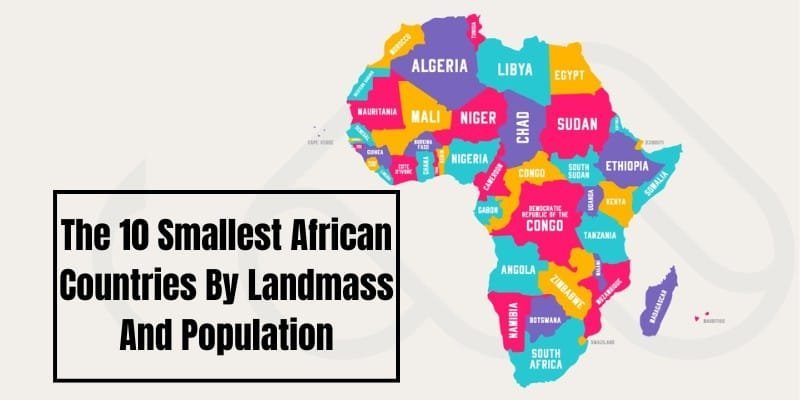
Africa, a continent of vast deserts, sprawling savannas, and towering mountains, is also home to some of the world’s smallest nations. These compact countries, often overlooked in favour of their larger neighbours, offer unique cultures, stunning landscapes, and fascinating histories. In this article, we explore the 10 smallest African countries by land mass and population, uncovering what makes each one remarkable. Whether you’re a geography buff, a traveller, or simply curious, here’s everything you need to know about Africa’s tiniest nations.
10 Smallest African Countries by Land Mass
Africa’s smallest countries by land area are often island nations or microstates dwarfed by the continent’s giants. Below, we list the top 10, ranked by square kilometres, with detailed insights into each.
1. Seychelles
Attribute
Details
Land Area
459 km²
Population
98,000 (approx.)
Capital
Victoria
Location
Indian Ocean, east of mainland
Main Language
Seychellois Creole, English
Economy
Tourism, fishing
Seychelles, an archipelago of 115 islands, is Africa’s smallest country by land mass. Known for its postcard-perfect beaches and crystal-clear waters, this tropical paradise is a biodiversity hotspot, home to the giant Aldabra tortoise and the rare coco de mer palm. Its capital, Victoria, is a quaint hub with a clock tower reminiscent of London’s Big Ben. Tourism drives the economy, with luxury resorts dotting islands like Mahé and Praslin.
2. São Tomé and Príncipe
Attribute
Details
Land Area
964 km²
Population
223,000 (approx.)
Capital
São Tomé
Location
Gulf of Guinea
Main Language
Portuguese
Economy
Agriculture, tourism
São Tomé and Príncipe, a volcanic twin-island nation, blends lush rainforests with colonial charm. Once a global cocoa powerhouse, it’s nicknamed the “Chocolate Islands.” Today, its untouched beaches and marine biodiversity attract eco-tourists. The capital, São Tomé, features colourful markets and Portuguese architecture, while the equator’s proximity adds a geographical thrill.
3. Mauritius
Attribute
Details
Land Area
2,040 km²
Population
1.3 million (approx.)
Capital
Port Louis
Location
Indian Ocean, east of Madagascar
Main Language
English, Mauritian Creole
Economy
Tourism, sugar, finance
Mauritius, a cultural mosaic in the Indian Ocean, is famed for its beaches, reefs, and extinct Dodo bird legacy. Port Louis buzzes with markets and history, reflecting influences from Africa, India, and Europe. A thriving tourism sector and sugar industry bolster its economy, making this small nation a global player despite its size.
4. Comoros
Attribute
Details
Land Area
2,235 km²
Population
850,000 (approx.)
Capital
Moroni
Location
Indian Ocean, near Mozambique
Main Language
Comorian, French, Arabic
Economy
Agriculture, fishing
Comoros, dubbed the “Perfume Islands,” thrives on ylang-ylang and vanilla exports. Its volcanic landscapes, including Mount Karthala, contrast with idyllic beaches. Moroni, the capital, blends Arab and African vibes, but political instability—over 20 coups since 1975—marks its history. Divers flock here for its coral reefs.
Cape Verde’s 10 islands offer a mix of volcanic peaks and serene shores. Praia, on Santiago Island, reflects its Portuguese roots, while the morna music of Cesária Évora echoes worldwide. Positioned in the Atlantic, this small nation thrives on tourism and its diaspora’s support.
6. Gambia
Attribute
Details
Land Area
11,295 km²
Population
2.5 million (approx.)
Capital
Banjul
Location
West Africa, within Senegal
Main Language
English
Economy
Agriculture, tourism
Gambia, mainland Africa’s smallest country, stretches along the Gambia River, encircled by Senegal. Its narrow shape—never wider than 50 kilometers—hosts vibrant markets and birdwatching havens. Banjul, the capital, hums with energy, while peanuts and tourism sustain its economy.
Eswatini, a landlocked monarchy, features rolling hills and cultural festivals like the Umhlanga Reed Dance. Mbabane and Lobamba share capital duties, showcasing its dual identity. Sugar and timber exports drive its economy, while its small size belies a rich Swazi heritage.
8. Djibouti
Attribute
Details
Land Area
23,200 km²
Population
1 million (approx.)
Capital
Djibouti City
Location
Horn of Africa
Main Language
French, Arabic
Economy
Port services, trade
Djibouti, a strategic Horn of Africa nation, borders the Red Sea and Gulf of Aden. Its arid landscapes and salt lakes, like Lake Assal, draw adventurers. Djibouti City’s port is a trade lifeline, leveraging its location near global shipping routes.
9. Rwanda
Attribute
Details
Land Area
26,338 km²
Population
13 million (approx.)
Capital
Kigali
Location
East Africa
Main Language
Kinyarwanda, English, French
Economy
Agriculture, tourism
Rwanda, the “Land of a Thousand Hills,” packs lush greenery and gorilla trekking into its small frame. Kigali, a clean and modern capital, symbolizes its post-1994 rebirth. Coffee, tea, and ecotourism fuel its rapid growth.
10. Burundi
Attribute
Details
Land Area
27,834 km²
Population
12 million (approx.)
Capital
Gitega
Location
East Africa
Main Language
Kirundi, French
Economy
Agriculture
Burundi, nestled near Lake Tanganyika, offers scenic beauty amid a turbulent past. Gitega, its political heart, contrasts with rural landscapes. Coffee dominates exports, though its small size and dense population pose challenges.
Comparing the Smallest African Countries by Land Mass
Rank
Country
Land Area (km²)
Population
Capital
Main Economy
1
Seychelles
459
98,000
Victoria
Tourism
2
São Tomé and Príncipe
964
223,000
São Tomé
Agriculture, Tourism
3
Mauritius
2,040
1.3 million
Port Louis
Tourism, Sugar
4
Comoros
2,235
850,000
Moroni
Agriculture
5
Cape Verde
4,033
560,000
Praia
Tourism, Fishing
6
Gambia
11,295
2.5 million
Banjul
Agriculture, Tourism
7
Eswatini
17,364
1.2 million
Mbabane, Lobamba
Agriculture
8
Djibouti
23,200
1 million
Djibouti City
Port Services
9
Rwanda
26,338
13 million
Kigali
Agriculture, Tourism
10
Burundi
27,834
12 million
Gitega
Agriculture
10 Smallest African Countries by Population
Now, let’s shift focus to the 10 smallest African countries by population, where sparse inhabitants shape unique identities.
1. Seychelles
Attribute
Details
Population
98,000 (approx.)
Land Area
459 km²
Capital
Victoria
Density
214 people/km²
Main Industry
Tourism
Seychelles leads again, its tiny population spread across 115 islands. This low count fosters an intimate community, with tourism sustaining its idyllic lifestyle. Victoria’s small-town feel enhances its charm.
2. São Tomé and Príncipe
Attribute
Details
Population
223,000 (approx.)
Land Area
964 km²
Capital
São Tomé
Density
231 people/km²
Main Industry
Agriculture
São Tomé and Príncipe’s modest population enjoys a slow-paced island life. Cocoa legacies and tourism shape its economy, with tight-knit communities preserving Portuguese influences.
Cape Verde’s scattered islands host a small but vibrant population. Its morna music and Atlantic isolation define its culture, with tourism and fishing supporting its people.
4. Comoros
Attribute
Details
Population
850,000 (approx.)
Land Area
2,235 km²
Capital
Moroni
Density
380 people/km²
Main Industry
Agriculture
Comoros’ population squeezes into its volcanic islands, creating a dense yet aromatic society. Ylang-ylang and political flux shape its narrative, with fishing supplementing livelihoods.
5. Djibouti
Attribute
Details
Population
1 million (approx.)
Land Area
23,200 km²
Capital
Djibouti City
Density
43 people/km²
Main Industry
Port services
Djibouti’s sparse population thrives in a harsh desert, centered around its bustling port. Its strategic location draws international presence, balancing small numbers with big impact.
6. Eswatini
Attribute
Details
Population
1.2 million (approx.)
Land Area
17,364 km²
Capital
Mbabane, Lobamba
Density
69 people/km²
Main Industry
Agriculture
Eswatini’s small population cherishes its monarchy and traditions. Festivals and sugar production define its rhythm, with a close-knit society rooted in Swazi culture.
7. Mauritius
Attribute
Details
Population
1.3 million (approx.)
Land Area
2,040 km²
Capital
Port Louis
Density
637 people/km²
Main Industry
Tourism
Mauritius packs a dense population into its small frame, blending cultures seamlessly. Tourism and sugar thrive, with Port Louis as a bustling multicultural hub.
8. Gambia
Attribute
Details
Population
2.5 million (approx.)
Land Area
11,295 km²
Capital
Banjul
Density
221 people/km²
Main Industry
Agriculture
Gambia’s population lines the riverbanks, creating a lively yet compact nation. Peanuts and tourism sustain its people, with Banjul as a spirited center.
9. Lesotho
Attribute
Details
Population
2.1 million (approx.)
Land Area
30,355 km²
Capital
Maseru
Density
69 people/km²
Main Industry
Agriculture, textiles
Lesotho, a mountainous kingdom within South Africa, hosts a small population. Known as the “Kingdom in the Sky,” its rugged terrain shapes a resilient, pastoral society.
Malabo (current), Ciudad de la Paz (under construction)
Density
61 people/km²
Main Industry
Oil
Equatorial Guinea’s small population belies its oil wealth. Spanning a mainland and islands, its shift to a new capital reflects ambition amid a complex history.
Comparing the Smallest African Countries by Population
Rank
Country
Population
Land Area (km²)
Capital
Density (people/km²)
Main Economy
1
Seychelles
98,000
459
Victoria
214
Tourism
2
São Tomé and Príncipe
223,000
964
São Tomé
231
Agriculture
3
Cape Verde
560,000
4,033
Praia
139
Tourism
4
Comoros
850,000
2,235
Moroni
380
Agriculture
5
Djibouti
1 million
23,200
Djibouti City
43
Port Services
6
Eswatini
1.2 million
17,364
Mbabane, Lobamba
69
Agriculture
7
Mauritius
1.3 million
2,040
Port Louis
637
Tourism
8
Gambia
2.5 million
11,295
Banjul
221
Agriculture
9
Lesotho
2.1 million
30,355
Maseru
69
Agriculture
10
Equatorial Guinea
1.7 million
28,051
Malabo
61
Oil
Why Are Many of Africa’s Smallest Countries Islands?
A pattern emerges when exploring the smallest countries in Africa: most are island nations. Seychelles, São Tomé and Príncipe, Mauritius, Comoros, and Cape Verde all lie off the mainland, shaped by their isolation and oceanic surroundings. This isn’t a coincidence—Africa’s continental landmass favors larger countries, while its islands naturally form smaller, self-contained states. These nations often rely on the sea for trade, fishing, and tourism, making their size an advantage.
What Makes These Small Countries Unique?
Africa’s smallest nations stand out for their diversity. Seychelles offers luxury, Rwanda showcases resilience, and Comoros blends aromas with adventure. Whether by land or population, their smallness amplifies their individuality, from volcanic wonders to cultural crossroads.
Why Visit Africa’s Smallest Countries?
Africa’s smallest countries may lack the vastness of nations like Nigeria or Kenya, but they offer intimate experiences you won’t find elsewhere. From Seychelles’ luxury retreats to Comoros’ volcanic trails, these destinations cater to travellers seeking adventure, relaxation, or cultural immersion. Their small size makes them manageable to explore, often in a single trip, without sacrificing depth or diversity.
Conclusion
The 10 smallest African countries, whether measured by land mass or population, reveal a continent of contrasts. From Seychelles’ tiny 459 km² to Burundi’s dense millions, each nation brings something extraordinary to the table. Explore these hidden gems to uncover Africa’s lesser-known treasures. Which will you visit or learn more about next?
Johannesburg-based Altvest Capital has etched its name in the history books as the first publicly listed company on the continent to embrace Bitcoin as a treasury asset. The investment firm recently snapped up one Bitcoin—clocking in at roughly 1.8 million rand ($98,200)—and isn’t stopping there. With eyes on a bigger prize, Altvest is now chasing regulatory green lights to raise $10 million through a share sale, all to beef up its Bitcoin stash.
Warren Wheatley, the firm’s CEO, isn’t mincing words about this bold pivot. “Bitcoin is our focus—no detours into altcoin territory,” he declared, channelling a laser-like dedication to the world’s top cryptocurrency. It’s a page straight out of the MicroStrategy playbook, the U.S. firm that turned heads in 2020 by piling into Bitcoin as its go-to reserve asset. For Altvest, the move is less about chasing crypto hype and more about locking in shareholder value, shielding against the South African rand’s wobbles, and tapping into a digital store of value that’s gone global.
South Africa’s crypto scene is heating up, and Altvest Capital isn’t jumping in blind. The country’s regulators are warming to the digital shift—back in March 2024, the Financial Sector Conduct Authority waved through 59 crypto outfits to operate legally. By October, over 31,000 merchants were cashing in on crypto payments via platforms like Luno, proof that Bitcoin and its ilk are weaving into the nation’s economic fabric. Altvest’s timing couldn’t be sharper, riding a wave of growing acceptance that’s turning heads from Cape Town to Nairobi.
This isn’t just a win for Altvest—it’s a neon sign for Africa’s corporate crowd. As the rand grapples with depreciation and economic uncertainty loom, Bitcoin’s allure as a hedge is tough to ignore. Wheatley’s crew isn’t gambling on a whim; they’re betting on a future where digital assets could redefine how firms across the continent stash their cash. Sure, crypto’s wild price swings keep sceptics on edge, but Altvest’s calculated plunge signals a broader trend: companies worldwide are eyeing Bitcoin as a legit piece of the financial puzzle.
What’s next? If Altvest Capital pulls off its $10 million raise, it could spark a domino effect. Picture this—other African firms, watching from the sidelines, might ditch the old-school Treasury handbook and dip their toes into the crypto pool. With regulators steadily carving out a clearer path, the continent’s financial innovators could find themselves at a tipping point. Altvest isn’t just holding Bitcoin; it’s holding a torch—one that might just light the way for a whole new era of asset management in Africa.
Nigerian-born actorAdewale Akinnuoye-Agbaje has officially joined the cast of Euphoria Season 3, marking an exciting addition to the acclaimed HBO series. While details regarding his character remain undisclosed, anticipation is building as production for the new season is already underway.
Akinnuoye-Agbaje, known for his compelling performances in Lost, Suicide Squad, and Thor: The Dark World, is expected to bring his signature intensity to Euphoria, adding a fresh dynamic to the show’s already complex narrative. His casting further cements the series’ reputation for assembling a diverse and talented ensemble.
Created by Sam Levinson, Euphoria follows the turbulent life of Rue Bennett, portrayed by Zendaya, as she navigates addiction, relationships, and self-discovery. The third season’s production, which began in January 2025, has been met with high expectations following previous delays due to Hollywood strikes, script rewrites, and cast scheduling conflicts.
Akinnuoye-Agbaje joins a lineup of new cast members, including Spanish singer-songwriter Rosalía, Babyteeth star Toby Wallace, former NFL player Marshawn Lynch, We Own This City actor Darrell Britt-Gibson, A Different World alum Kadeem Hardison, Julieta actress Priscilla Delgado, James Landry Hébert, and Anna Van Patten.
Returning for Season 3 are core cast members Zendaya, Hunter Schafer, Eric Dane, Jacob Elordi, Sydney Sweeney, Alexa Demie, Maude Apatow, Martha Kelly, Chloe Cherry, and Colman Domingo, ensuring continuity in the show’s gripping storytelling.
With Euphoria‘s reputation for pushing boundaries and delivering emotionally charged performances, fans eagerly await how Akinnuoye-Agbaje’s role will influence the ever-evolving landscape of the series.
Nigerian banking stocks have experienced a significant surge, climbing 12.24% since January 7, as major lenders raised over ₦1 trillion ($662 million) from the stock market to meet the Central Bank of Nigeria’s (CBN) new capital requirements. The NGX Banking Index, which tracks banking stocks, closed higher on February 14, reflecting renewed investor confidence in the sector.
Leading the rally, Guaranty Trust Holding Company (GTCO) saw its share price rise by 12.90% to close at ₦63.45, while Zenith Bank shares climbed 4.03% to ₦51.60 following the announcement of its capital raise. The trend highlights increased investor interest in Nigerian banks as they bolster their capital positions.
In March 2024, the CBN significantly increased the minimum capital threshold for banks, prompting a rush to raise fresh capital. The new requirements exclude retained earnings from qualifying capital, accelerating capital raises ahead of the 2026 compliance deadline.
GTCO raised ₦209 billion in the first phase of its recapitalization plan, while Zenith Bank secured ₦350.4 billion through a rights issue and public offer. These two institutions alone have raised over ₦559.4 billion, contributing to the broader banking sector’s capital raise exceeding ₦1 trillion.
The stock market’s response suggests optimism about the banking sector’s profitability and stability. According to Azeez Lawal, managing director of TrustBanc Asset Management Limited, the stability in banking stocks will persist, but further growth may depend on audited financial statements and dividend announcements.
The surge in banking stocks coincides with broader economic shifts, including increased foreign investment inflows into Nigeria. Despite global market volatility, investor sentiment has improved due to Nigeria’s recent currency reforms and stabilization measures.
Bloomberg reports that Nigeria’s sovereign risk spread has fallen to its lowest level since January 2020, reversing the premium accumulated during the economic downturn caused by the pandemic. This suggests renewed confidence in the country’s financial system.
However, analysts caution that sustaining the rally will depend on macroeconomic stability and regulatory clarity. January often sees increased stock market activity, meaning the recent growth may not entirely reflect long-term market fundamentals.
With Nigerian banks securing fresh capital and positioning for expansion, all eyes will be on their upcoming financial statements and dividend payouts to determine the next phase of market movement.
It feels like just yesterday when a teenage Davido burst onto our screens with Back When, marking the beginning of a legendary career. Over the years, he has released some of the most iconic Davido albums, shaping the Afrobeats genre.
The 001 of Afrobeats has cemented himself as one of the industry’s most consistent hitmakers, delivering banger after banger with reckless abandon. Yet, the veteran shows no signs of slowing down—his fifth studio album, 5ive, is set for release on March 14, 2025.
As we anticipate 5ive, we take a dive into his discography, ranking Davido albums from worst to best. From Omo Baba Olowo: The Genesis to Timeless, we revisit the music that secured his place in the Hall of Fame of Nigerian music.
5. A Better Time (2020)
Worst Despite spurning smash hits like FEM, The Best, and Jowo, Davido’s third album, A Better Time, felt more like a compilation of potential hits than a cohesive body of work. In a year when his eternal rivals, Burna Boyand Wizkid, delivered groundbreaking albums with Twice as Tall and Made in Lagos, Davido failed to rise to the occasion. The album lacked a central theme as Davido relied on a hit-first approach that resulted in a 17-track album that delivered only a handful of satisfying records completely eclipsed by a majority of forgettable songs. The international features—Nicki Minaj, Lil Baby, and Nas—felt like forced additions aimed at commercial success rather than seamless collaborations. No song encapsulates how terrible this album is more than Birthday Cake with Nas, a horrible record that fell flat despite the legendary rapper’s presence. Overall, A Better Time lacked quality, failed to leave a lasting impact, and was quickly forgotten. Good riddance.
4. Son of Mercy (2016) [EP]
In 2016, the Afrobeats to the World movement was in its infancy and Davido was one of the genre’s biggest names. With growing international demand and a lucrative recording contract with Sony Music in place, he released Son of Mercy, his major-label debut. In an attempt to appeal to an international audience still unfamiliar with the Nigerian Pop sound, Davido adopted a Western R&B/Pop sound which was a clear departure from his signature Afrobeats style. While songs like Gbagbe Oshi and Coolest Kid in Africa had their moments, the project ultimately lacked the X-factor needed to truly connect. Unfortunately, Son of Mercy failed to resonate with both his core fan base and the international audience he tried to impress, leaving the EP feeling inconsequential and—in Davido’s own words—sounding like shit.
Davido’s career is synonymous with hit songs and his debut album delivered a number of them. Records like Dami Duro, Ekuro, All of You, and Overseas laid the foundation for his incredible career and still continue to thrill longtime fans and new audiences to this day. The album showcases the relentless energy of a teenage but highly ambitious Davido who basks in the glory of newfound fame and fortune, resulting in a celebratory debut. While Omo Baba Olowo had its flaws—its songwriting left much to be desired and his vocals needed training—the album has aged well and remains both relevant and enjoyable. A testament to Davido’s undeniable ability to craft music that stands the test of time.
2. Timeless (2023)
After what seemed like a long hiatus following the unfortunate passing of his son, Davido made a strong comeback with Timeless, showing growth and maturity as he refined the flaws of his previous albums to deliver his most polished and seamless body of work yet. Songs like Unavailable, Kante, No Competition, and Feel became instant fan favourites while records like Na Money, Godfather, and LCND have all aged like fine wine. The album sells well two years after its release, solidifying its place as Davido’s most defining work.
1. A Good Time (2019)
A Good Time is easily Davido’s most complete and impressive album. As the name implies, Davido delivered on his promise of A Good Time while providing a vivid image of his journey to becoming one of Africa’s biggest pop stars. With songs like Blow My Mind, Risky, Sweet in the Middle, Disturbance, Big Picture, and D&G, the album delivered multiple hits while still feeling well-curated. A Good Time is the offering of an artist who has consistently fine-tuned his craft and removed the rough edges that once held his music back. The result is a fully clear vision for the future of his artistry, buoyant and undeniably infectious. A Good Time stands as one of Afrobeats’ finest albums and is a testament to Davido’s unwavering resolve to continue evolving. It is without doubt the best Davido album of all time.
Warner Music Group (WMG) has officially completed its acquisition of Africori, a leading African digital music distribution, rights management, and label services company. This move follows Warner’s majority stake purchase in the company in 2022.
Africori will continue to operate as a standalone entity, with CEO Yoel Kenan remaining in his role and reporting to Temi Adeniji, managing director of Warner Music Africa. The company currently represents over 7,000 artists, including notable names such as Kelvin Momo, Master KG, Nkosazana Daughter, Oscar Mbo, and TitoM and Yuppe.
Kenan expressed enthusiasm about the acquisition, stating, “We’ve had an incredibly successful few years partnering with Temi Adeniji and Warner Music. From the beginning of the venture, our shared vision of connecting African music with fans from across the world was evident. The Africori team looks forward to working with the entire Warner Music family as we discover, develop, and upstream the next generation of talent from across the continent.”
Adeniji echoed the significance of the deal, describing it as a “landmark moment” for Warner Music’s expansion in Africa. She highlighted the synergy between the two companies, emphasizing how Warner’s investment has fueled growth for African artists. “We’ve upstreamed Africori artists and plugged them into our global network, delivering international remixes and trend-driven cross-collaborations that have helped elevate their careers,” she said.
Warner Music’s full acquisition of Africori reinforces its commitment to expanding its footprint in Africa, a market that continues to gain global recognition for its rich musical talent and cultural influence.
When Qing Madi burst into the scene with See Finish, it was clear that the teenager was destined for incredible things. Her self-titled debut EP was a brilliant showcase of her vocal range and songwriting ability. The EP seemed tailored to a niche teenage audience as Madi spoke to the sensibilities of her generation, whether she was discussing her ambitions or romance.
A little over a year since her debut EP, Qing Madi has cemented her place as one of Africa’s finest young talents, and even the sky doesn’t seem to be the limit for her. Her debut album, I Am The Blueprint, reflects her confidence, self-assurance and youthful audacity as she refuses to be defined by others, asserting her identity and artistic vision with the belief that she is creating a template and setting a standard for her generation to follow.
She documents her lofty dreams on the opener Bucket List, an introspective yet ambitious anthem that reflects her dreams, determination, and belief in her destiny. The song blends self-affirmation with a deep desire for success, as she acknowledges the long journey ahead while remaining confident in her potential. Her bucket list is full of dreams—winning a Grammy, building an empire, and buying her mother a mansion. The song relates her desire to make a lasting impact.
While her confidence is sky-high, Madi still contends with internal battles as she reveals on Pressure. These internal battles could arise from doubts, pressure, past mistakes, and the weight of personal struggles. While she acknowledges her struggles, she seems pretty unconcerned as she relies on God for hope and redemption, putting trust in God and letting go of battles that are beyond her control.
While Qing Madi has said in multiple interviews that she has yet to have a romantic experience, romance makes for a significant chunk of this album. She lets her imagination run wild as she explores romance and its complexities on the album.
The Prestige-produced Ali Bomaye is a soulful song that expresses deep gratitude and love for a significant other. The song captures the essence of finding solace in love amidst life’s chaos. Its infectious rhythm makes for a satisfying listen, but the writing on the hook is lazy.
While it’s clear Qing Madi wants to create accessible and resonant hooks on this album to appeal to a broader audience, her talent suggests she’s capable of crafting far more compelling hooks than this.
On the bouncy Afropop Akanchawa laced with infectious strings, the singer expresses a willingness to give everything for the person who has captured her heart. She is so drawn to them that she is willing to set aside her ego, indicating a deep emotional connection.
She repeats similar sentiments in the passionate and playful Goosebumps, where she expresses deep attraction and admiration for her love interest. Qing Madi delivers a vibrant and rhythmic record that reflects the excitement of being infatuated with someone as she sings, “I get a lot of goosebumps when I’m with you”.
Qing Madi balances the vibrant and exciting aspects of romance with a candid portrayal of its darker, more troubled dimensions. Favorite Psycho is a deeply compelling and moving R&B number where she passionately sings about a complicated situation where deep emotions are intertwined with heartbreak and loyalty. It’s a heartfelt portrayal of someone caught in the emotional chaos of a difficult relationship as well as a cautionary tale about the dangers of blind loyalty and the need for people to place more value on themselves. It’s the best song on the album.
It’s a Game is a close second on the list of best songs on this album. Madi talks about being manipulated in a relationship, which eventually leads to questions being asked about the true intentions of her love interest. Qing Madi’s delivery conveys the pain of betrayal as Wademix crafts a minimalistic yet atmospheric beat driven by chilling chords and mild kicks. Garden is a soft and deeply intimate record aided by its melodic delivery and heartfelt lyrics. Garden in this context represents a safe space where love can flourish, free from doubts and fear. A minute with me in the garden / So, won’t you gimme just a one chance, chargie she sings.
While the album is really good, its Achilles heel is its heavy reliance on a narrow range of sounds and production, which results in a lack of sonic depth. Many songs on the album have the same tempo, energy and mood.
The album follows a predictable structure with no twists to keep listeners engaged. This is where a handful of features would have been necessary to deliver the variety the album sorely needed.
When an album maintains the same sound and tempo, it can create a sense of monotony, which can make potentially great songs sound intolerable. Records like Gimme Your Love, One Day, Right Here and Feeling Alright, which may have been enjoyable songs in a different context, make for a tedious listen due to the similarities they share with most of the other songs on the album.
Despite these flaws, Qing Madi can hold her head high and be proud of herself. Debut albums are by far the hardest to pull off, especially when you’ve enjoyed success like she has in the last year. Overall, it is a satisfactory debut offering from a teenager who is still finding herself. This writer is excited for her.
The year 2025 promises historic importance for African cinema as important new film releases aim to showcase the distinctive African storytelling portfolio alongside cultural variations and creative excellence. Through dramatised films, thrilling movies, and documentary narratives, African filmmakers continue to push boundaries across worldwide audiences.
These upcoming ten films emerge as 2025’s most anticipated African cinematic releases, which showcase the current state of the African film industry.
1. The Presidency (Nigeria)
THE PRESIDENCY [Credit: YNaija]
Jaiyeola Durodola returns home to face a nation on edge. His mother, Ireti, a powerful leader in the UPM party, is entangled in a battle against Progress Circle, a rising force threatening to upend the system. As Durodola navigates family legacies and political tensions, he is drawn into a world of deception, ambition, and patriotism. Directed by Sampson Afolabi-Johnson, The Presidency will feature Mallum Arik, Gideon Okeke, Antar Laniyan, Fadekemi Olumide Aluko, Prince Jide Kosoko, Yemi Blaq, Akin Lewis, Aderonke Onuoha, and Patrick Doyle. It is scheduled for release in all Nigerian cinemas on February 21, 2025.
2. Angels (South Africa)
Angels (South Africa) [Credit; IMDb]
Directed by Robert Benjamin, Angels is a South African movie written by Robert Benjamin and Desiree Christians. The movie features stars like Brendon Daniels, Keenan Arrison and Schelaine Bennett and is expected to be released on April 10, 2025.
In Angels, Paul Taylor, a middle-aged man devastated by a profound loss, decides to leave everything behind and teach at a reform school for troubled youth aged 12 to 14. His mission is to understand the criminal mind and the harsh realities of their lives, where survival often means resorting to violence. As Paul befriends two contrasting students—one embodying negativity and the other positivity—he is pulled into a deeper mystery about the nature of reality itself. These boys challenge Paul’s perceptions, forcing him to confront unsettling truths about life and the universe. He realises that nothing is as it seems, and he must decide whether to accept the power to shape his destiny.
3. Something About The Briggs (Nigeria)
SOMETHING ABOUT THE BRIGGS [Credit: IMDb]
Something About the Briggs explores the complexities of wealth, fame, and marriage with humour and insight, blending laughter with emotional moments while tackling real social issues. This heartfelt film reflects the struggles and joys couples face, offering valuable lessons on love, commitment, and navigating life together. Directed by BukolaOgunsola and featuring actors likeStan Nze, Daniel Etim EffiongandRita Dominic. It stands out as one of the must-watch African movies of 2025. It is scheduled for release on January 31, 2025.
Reel Love follows a love triangle storyline throughout the movie while investigating love alongside cultural elements and life’s surprising pathways. Readers experience a deep story about those complicated romantic experiences with love transforming how people connect with others.
5. JESUS (Uganda)
The Jesus Film Project’s animated production JESUS (2025)’ maps the Biblical Jesus story through advanced filming techniques to engage modern audiences. The worldwide audience can experience this feature in December 2025.
6.THE B.A.T.U PROJECT: Adam The First (Ghana)
The Batu Project takes audiences into a post-apocalyptic future where a nuclear war has left Earth largely uninhabitable. In a desperate mission to secure humanity’s survival, an African Federation sends Adam (played by Ghanaian actor Bex) to an alien planet in search of a new home. Directed by M. Sabiyu, this ambitious sci-fi adventure is set to redefine African movies in the genre.
Summer Rain, directed by Adenike Adebayo-Osho, follows two friends on their 10-year journey to love. It focuses on how particular situations influenced their lives and how parents’ decisions affect their children. Summer Rain is about love, life, and enjoying the present moment. Summer Rain features Genoveva Umeh, Daniel Etim-Effiong, Kayode Ojuolape, Bolaji Ogunmola, and others.
8. LOVE LOCKDOWN (Nigeria)
LOVE LOCKDOWN [Credit: Nollywire]
A beautiful, timeless love story starts with exceptional moments, as Yemi and Zainab experienced. Their initial encounter’s quick spark took them on the transformative path that has now formed a genuine and caring relationship for which you can believe in actual loving bonds. Uche Okocha’s direction of this intimate romance has produced what promises to become one of this year’s most powerful African films.
9. KHARTOUM (Sudan)
“Khartoum” follows five Sudanese people as they must flee their homes when war breaks out [Credit: Courtesy of Sundance Institute | Photo by Native Voice Films]
Through storytelling, the film re-enacts how five exemplary characters escaped along with others from Sudan’s conflict-torn capital while showing their narratives of enduring war and revolt alongside their hope for the future. Through their personal narratives, these individuals help us confront the destructive consequences of the current Sudan conflict. Through a combination of staged reenactments and direct on-camera interviews, the directors construct an immediate narrative with emotional depth. The film also nods to the courage and determination of ordinary citizens navigating extraordinary challenges.
Since cementing his place in the Nigerian mainstream with 2022’s commercially acclaimed Billion Dollar Baby, Seyi Vibez has been head and shoulders above everybody else in terms of output. He has released two full-length albums, two EPs and one mixtape since 2022. With a remarkable seven bodies of work under his belt, Seyi Vibez has reliably delivered well-loved anthems and chart-topping hits.
Unfortunately, his relentless work ethic has proven to be a lot for listeners outside his core fanbase, one he has worked tirelessly to build over the years. Beneath the surface of his popular anthems lies a treasure trove of underrated records that showcase his depth and versatility.
These records reveal a different side of the mad genius, one that’s introspective, experimental and bold. Here’s a look at some of Seyi Vibez’s best-kept secrets.
1. Saro (2022)
This record sits pretty at track four on his critically acclaimed debut album, Billion Dollar Baby. The record is a heart-wrenching documentation of his struggles as a hustler. With a voice of experience, he reflects on his street savvy, sharing how he avoided pitfalls and how he stayed ahead of the game before going on to celebrate his newfound success. The fusion of street hop elements and melodic undertones makes it both an anthem for the streets and the soul as it is a record that resonates with listeners across different walks of life.
2. Ife (2023)
In this record, he showcases his loverboy side as he bares his soul and candidly expresses his emotions and his emotional limitations as he reveals that while his heart is full of love for his love interest, his schedule is fuller, leaving him with the struggle of balancing love and hustle. The record acknowledges the disconnect a lot of people experience between their feelings and their capacity to nurture the love they want to give and the time they can devote.
3. LOML Ft. Ami Faku (2023)
In a bid to connect with listeners beyond his base, Seyi Vibez tapped South African sensation Ami Faku. LOML is a soulful collaboration and a heartfelt ode to love with Loseyi’s powerful delivery perfectly complemented by Ami Faku’s enchanting delivery. The lush production employs rich melodies and creates an intimate soundscape.
Seyi Vibez opens his debut EP, No Seyi No Vibez, with the guitar-driven Superstar, a sultry ballad where Seyi Vibez utilises his silver tongue to woo his love interest. Beneath the romantic veneer, he sweetly brags about his status as a rising star, sounding excited about his bright future. The title Superstar serves as a testament to Seyi Vibez’s lofty ambitions, setting the tone for an album that showcases his artistry and swagger.
5. Gatti Ft. Dwillsharmony (2024)
Gatti is a high-energy anthem laced with an infectious rhythm and raw intensity as Seyi Vibez and Dwillsharmony deliver electric performances over a pulsating beat. The duo delivers boastful verses about their newfound wealth and the goodies that come with success. Dwillsharmony injects additional swagger with his smooth wordplay and flair while Seyi maintains his signature raw delivery.
6. IG Story (2023)
This record is a vibrant fusion of gratitude, street credibility, and bravado, delivered with his trademark flair. The lyrics capture his journey to success, the challenges he’s overcome, and his determination to keep thriving. The song’s production combines infectious rhythm with rich instrumentation that enhances Seyi’s dynamic flow.
7. Blacka Rhythm (2023)
Emotive, introspective, and deeply personal, this soul-stirring track weaves together themes of love, loss, and perseverance. With unflinching honesty, he offers a candid glimpse into his turbulent past, recounting his experiences as a young hustler, navigating treacherous streets and overcoming adversity. With its haunting melodies, emotionally charged lyrics, and a blend of African rhythms and contemporary production, this song is a powerful exploration of the human experience.
90s reflects his journey of resilience, faith, and ambition. Still a youngster when he released this song, he opts for lyrics that convey a determination to succeed against all odds, repeatedly affirming his belief in guidance from a higher power as well as the sheer will to fight through challenges. “I no fit stop, until I chop, I must to make am, mummy must to chop” speaks to his drive to provide for his family and the focus on achieving success no matter what. Four years later, it’s safe to say he’s achieved more than he may have envisaged when he was penning this record.
9. 12:07 (2020)
This record follows a similar trope to the previous record. A blend of introspection, determination, and gratitude towards the divine with a young Seyi Vibez reaffirming that no matter what life throws at him, he will always stick to his own path, trusting God to guide him. He paints a vivid picture of his hustle: “Na money I dey find, mio fe da’ran” while also expressing his unwillingness to follow the footsteps of others and his intention to carve out his own path.
10. Manchester (2024)
Off his most recent EP, the mad genius basks in the euphoria of his superstar, highlighting his growing international recognition as he sings “Won wa mi ni Manchester” (They want me in Manchester) and “Won wan mi ni Germany” (They want me in Germany). He references high-end brands like ‘Balenciaga’ symbolising a sense of luxury as a marker of his rise. He acknowledges the challenges he faced along the way, but he quickly switches to an optimistic outlook as he is determined to enjoy the fruits of his labour now that he has achieved financial success.
Lagos, Nigeria’s bustling economic and cultural hub, is renowned for its dynamic lifestyle and diverse food scene. With over 3,324 restaurants and food vendors, the city offers many dining options. However, the fast-paced nature of Lagos life has driven the increasing reliance on food delivery apps. The African food delivery market is projected to grow at a 12.08% annual rate, reaching a market volume of $18.13 billion by 2029, with Lagos being a key contributor. Platforms like Jumia Food have partnered with over 5,000 small businesses, empowering local vendors and broadening their reach. These trends underscore how food delivery apps are reshaping the dining culture in Lagos by making food more accessible, affordable, and convenient.
Here are the eight best food delivery apps in Lagos, tailored to suit different tastes and needs. Each platform blends technology with culinary diversity, ensuring Lagosians enjoy their meals with ease.
Best Food Delivery Apps In Lagos [Credit: Linkedin]
1. Jumia Food
Overview: A pioneer in Nigeria’s food delivery industry, Jumia Food boasts an extensive range of restaurant partners and cuisine options. Whether you’re craving Nigerian jollof rice, fast food, or continental dishes, Jumia Food has you covered.
Key Features:
Wide variety of restaurants and meal choices.
Scheduled deliveries for flexibility.
Frequent discounts and promotional offers.
Conveniently order food in Lagos at any time.
Limitations:
Delivery times may vary depending on location.
Additional fees may apply for certain areas.
Why It’s Great: Jumia Food is the go-to app for those seeking a wide range of meal options. It’s perfect for anyone who loves variety and wants to explore multiple cuisines from both local and international restaurants. Plus, with frequent discounts, you’ll always find a deal to enjoy.
2. Chowdeck
Overview: Chowdeck is ideal for those seeking authentic, homemade meals. The platform connects users with local chefs and small food businesses, offering a personal touch with every order.
Key Features:
Homemade meals prepared by local chefs.
Affordable pricing.
Empowering small-scale food businesses.
Limitations:
Limited restaurant selection compared to larger apps.
Coverage might be restricted to specific areas.
Why It’s Great: Chowdeck is perfect for Lagosians who appreciate homemade food and want to support local chefs. Whether it’s a hearty stew or traditional delicacies, Chowdeck delivers authentic, budget-friendly meals that reflect Lagos’ rich food culture.
Overview: Glovo stands out as a versatile delivery platform offering more than just meals. From groceries to medicines, the app provides multi-category delivery services, making it a go-to choice for busy Lagosians.
Wide range of restaurant choices, from street food to high-end dining.
Limitations:
Service fees can be higher than competitors.
Some areas may have limited availability.
Why It’s Great: Glovo isn’t just for food; it’s a one-stop shop for all your delivery needs. Whether you’re ordering a quick meal or groceries, this app’s all-in-one service is perfect for those who value convenience and variety.
4. Food Court
Overview: Known for its premium selection, Food Court connects users with high-end restaurants and vendors. It’s ideal for those who enjoy fine dining experiences in the comfort of their homes.
Key Features:
Partnerships with premium restaurants.
Fast delivery times.
High-quality customer service.
Limitations:
Fewer budget-friendly options compared to other platforms.
Limited selection of casual eateries.
Why It’s Great: If you’re in the mood for a luxurious meal, Food Court is the app for you. With access to top-tier restaurants, this platform guarantees a sophisticated dining experience delivered straight to your door.
5. Eden Life
Overview: Eden Life is designed for health-conscious Lagosians. The platform provides personalised meal plans tailored to dietary needs and goals, making it a popular choice for those looking to maintain a balanced lifestyle.
Key Features:
Subscription-based meal plans.
Fresh, nutritious, and tailored meal options.
Ideal for individuals with specific dietary requirements.
Limitations:
Subscription fees may not suit occasional users.
Limited variety outside healthy eating plans.
Why It’s Great: For those who prioritise health, Eden Life offers a range of nutritious meals that are perfect for a balanced lifestyle. This app is particularly useful for those with specific dietary needs like low-carb, vegan, or gluten-free meals.
6. Urban Eats
Overview: Urban Eats is a trendy platform that curates meals from Lagos’ most fashionable and upscale restaurants. Its clean interface and reliable delivery services make it a favorite among young professionals and food enthusiasts.
Key Features:
Curated selection of top-rated restaurants.
Sleek and user-friendly app design.
Reliable delivery times.
Limitations:
Premium pricing may deter budget-conscious users.
Limited options for traditional Nigerian dishes.
Why It’s Great: Urban Eats is ideal for Lagosians who want to enjoy gourmet meals from trendy restaurants. With its easy-to-use interface and upscale offerings, it’s perfect for those looking to indulge in the finer side of Lagos dining.
7. 500Chow
Overview: 500Chow caters to budget-conscious users, offering affordable meal options without sacrificing quality. Its focus on local vendors makes it a top choice for students and young professionals.
Key Features:
Budget-friendly meal options.
Reliable service from local food vendors.
Easy-to-use platform.
Limitations:
Fewer premium dining options.
Limited service coverage in less urban areas.
Why It’s Great: For students and young professionals who are watching their budgets, 500Chow provides affordable yet delicious meal options. With a focus on local vendors, you can explore the best of Lagos’ street food scene without breaking the bank.
Gokada Food is an emerging food delivery platform in Lagos, offering fast and affordable delivery services, leveraging Gokada’s reliable motorcycle fleet. The service focuses on providing quick and budget-friendly meal options to users, especially in high-traffic areas where other platforms might experience delays.
Key Features:
Fast delivery times, especially in congested areas.
Budget-friendly meals without compromising quality.
Available in several key neighborhoods on both the island and mainland.
Allows users to track their orders for transparency.
Limitations:
Fewer restaurant options compared to larger apps.
Only available in specific areas of Lagos.
Why It’s Great: If you’re looking for a fast and affordable food delivery service, especially in busy Lagos traffic, Gokada Food is a great option. With reliable delivery and budget-friendly pricing, it’s perfect for anyone who needs a quick meal without the wait.
Why Food Delivery Apps Are Thriving in Lagos
Urban Lifestyle: With its fast-paced environment, Lagos demands convenience. Food delivery apps save time, making them indispensable for busy professionals, families, and students.
Tech-Savvy Users: Over 60% of Lagosians aged 18-35 use food delivery apps for daily meals, reflecting the tech-savvy nature of the city’s younger demographic.
Support for Local Businesses: Platforms like Jumia Food and Chowdeck empower small businesses, enabling them to reach a wider audience and compete in a growing market.
Practical Tips for Users
Save Money: Look out for promotional deals on Jumia Food and Glovo to enjoy discounts.
Choose Based on Need: Opt for Eden Life for healthy meals, Chowdeck for homemade dishes, and Food Court for fine dining.
Check Coverage: Ensure the app services your area before placing an order.
Conclusion
Food delivery apps in Lagos have transformed the city’s dining culture by offering convenience, variety, and accessibility. Whether you’re in the mood for a quick snack or a gourmet experience, these platforms provide something for everyone. Explore these top eight apps and discover how they can simplify your mealtime routines while supporting local businesses.
FAQs
Are these food delivery apps available throughout Lagos?
Most apps cover Victoria Island, Lekki, Surulere, and Ikeja. Availability may vary.
Which app is best for healthy meal options?
Eden Life is ideal for personalised, health-conscious meal plans.
African players have long been integral to the success of European football, and the Bundesliga is no exception. With their exceptional performances, these players have captured the hearts of fans and become indispensable assets to their respective clubs.
In 2025, the league’s top players are celebrated for their incredible skills and earning some of the highest wages in German football. Based on data from Capology, we explore the highest-paid African footballers in Bundesliga in 2025.
Sébastien Haller of Borussia Dortmund tops the list as the highest-paid African player in the Bundesliga, earning an impressive €211,538 weekly. Borussia Dortmund is a dominant employer, featuring three African stars among the top five earners.
Players across Africa, including Mali, Guinea, and Algeria, shine brightly in Germany’s premier football league. In this article, we’ll take a look at the top-earning African footballers in the Bundesliga for 2025.
Highest-Paid African Footballers In Bundesliga 2025
Sébastien Haller leads the pack as the highest-paid African footballer in the Bundesliga. The Borussia Dortmund forward’s exceptional goal-scoring prowess has solidified his position as one of the league’s top stars. With weekly earnings of €211,538, Haller is a key figure in Dortmund’s pursuit of domestic and European success.
2. Serhou Guirassy (Guinea) – Borussia Dortmund (€181,346 per week)
Guinea’s Serhou Guirassy is another Borussia Dortmund standout. Known for his consistent scoring and ability to create chances, Guirassy earns €181,346 per week, reflecting his value to one of Germany’s top clubs. He is among the best African footballers according to EA Sports 25 rating.
3. Ramy Bensebaini (Algeria) – Borussia Dortmund (€86,538 per week)
A versatile defender and occasional goal scorer, Ramy Bensebaini has proven to be a vital part of Borussia Dortmund’s defensive setup. Earning €86,538 weekly, the Algerian international is one of the highest-paid defenders in the Bundesliga.
4. Diadie Samassekou (Mali) – TSG Hoffenheim (€75,000 per week)
Mali’s Diadie Samassekou is a midfield dynamo for TSG Hoffenheim. His €75,000 weekly wage underscores his importance in providing creativity and balance to the team’s midfield.
5. Amadou Haidara (Mali) – RB Leipzig (€73,077 per week)
Amadou Haidara’s box-to-box midfield capabilities make him a standout performer for RB Leipzig. With a weekly salary of €73,077, Haidara continues to demonstrate his value to one of the Bundesliga’s top clubs.
Full List of the Highest-Paid African Footballers in Bundesliga 2025
Last year, the African music scene witnessed several rookies take a leap forward and ascend to stardom. We saw the rapid rise of Ayo Maff,Qing Madi, and Uncle Waffles, who collectively delivered memorable projects and hit singles that resonated across the continent.
While 2024 did not produce an obvious breakout artist across all the top genres—such as Afrobeats, alté, highlife, amapiano, fuji, and more—several rising artists had a strong year, positioning themselves for a prosperous 2025.
As we step into 2025, African Folder is showcasing 15 of the brightest African artists we believe have the potential to shine even brighter this year. Here are the African artists we’re rooting for in 2025.
1. Llona (Nigeria)
2024 was the year of Llona. The Kano State native, armed with confidence in his craft, took a bold leap of faith by releasing his debut album, Homeless, while still a relative newcomer. Five months later, Llona is no longer a rookie. He has become one of the brightest gems in Nigerian music. Homeless was a resounding success, enjoying permanent residency on the Nigerian charts across all platforms. It catapulted Llona from a niche favourite to a mainstream sensation and expanded his fanbase exponentially.
In 2025, Llona’s stock is expected to continue rising as he aims to blossom into a household name.
2. ZerryDL (Nigeria)
One of the biggest beneficiaries of Shallipopi’s meteoric rise in 2023 was his brother, ZerryDL. Riding the wave of Shalli’s success, ZerryDL scored his breakout hit with Puff Puff Pass. However, in 2024, ZerryDL proved two critical points: first, that he isn’t a one-hit wonder, and second, that he possesses the talent and artistry to establish himself as a hitmaker in his own right—independent of his brother.
Despite starting the year with the poorly received Wara Wara Szn, ZerryDL bounced back emphatically in the final quarter of the year, scoring two major hit records—Back to Back and the Hausapiano remix—while lending swaggering verses to Bayanni and Ayo Maff. With his debut album in the works, Zerry is poised to leave his mark on Nigerian music in 2025.
As music consumers craved something different from the Amapiano fusion that dominated the better part of the last five years, FirstKlaz emerged as a refreshing force, offering a distinctly unique sound. His innovative blend of Afropop with Fuji—coined as Gen Z Fuji and Gen Z Faaji—and Arewa Pop, also known as Gen Z Arewa, injected much-needed vibrancy into the music scene.
Aiming to leave his mark on the Nigerian music industry, FirstKlaz is brimming with potential, especially following the success of his nationwide tour.
4. Arathejay (Ghana)
Arathejay is the latest Ghanaian talent making waves in Nigeria and across Africa. The multifaceted artist first found success in 2021 when his song Sankofa disrupted Ghanaian airwaves and charts, even earning the attention of King Promise, one of Ghana’s biggest stars. Since then, the artist—who describes his sound as spiritual—has come into his own, delivering music imbued with profound emotional depth.
Now, after releasing the Black Sherif-assisted Jesus Christ 2, Arathejay is determined to leave his mark on the world.
5. Tar1q (Nigeria)
Since its inception, Chocolate City has consistently introduced and nurtured emerging talents, with Tar1q leading the charge as a standout among the latest additions to the label’s roster. While his penchant for love and sex is reminiscent of his label mates Blaqbonez and Young Jonn, Tar1q masterfully engineers diverse sounds and topics, presenting them in ways that feel both refreshing and different. With three critically acclaimed EPs to his name, it’s evident that his incubation period has run its course. Now, it’s time for the Son of the Moon to become a superstar.
6. Winny (Nigeria)
Winny enjoyed a cool Detty December moment as Grammy award-winning superstar Wizkid showed off his newly acquired MClaren 750s with her song playing in the background. The song is the sultry reggae fusion Suh Good featuring Projexx off her 2024 album Commercial Break. A project described by Rolling Stone as a must-listen. With the awareness of the fact that Big Wiz is a fan of Winny’s music, one would hope the seminal superstar would not mind lending a career-propelling verse to the talented upstart. Regardless, Winny’s career trajectory is steadily climbing in the right direction; there will be no surprises if it all comes to a head in 2025.
7. Yarden (Nigeria)
While Yarden has enjoyed a well-deserved moment with the success of his viral single Wetin, he remains an artist worth keeping in the spotlight. The Port Harcourt native has yet to solidify his status as a bona fide star, despite his expansive talents. His debut project, The One Who Descends, left a mark on the music industry, while his vibrant performance on Ole—alongside DMW signee Logos Olori and Crayon—further underscores his exceptional talent and undeniable star quality.
After a relatively quiet 2024, Yarden is expected to shine brightly in 2025.
8. Taves (Nigeria)
For Taves, the question has never been if but when. His incredible talent is obvious to all, which is why it was no surprise when it was announced that he had signed with Atlantic Records UK early in the year. His debut EP, Are You Listening, houses memorable songs that enforce the fact that Taves is one for the present and the future.
9. Muyeez (Nigeria)
Street Pop’s teenage sensation, Muyeez, had a whirlwind year in 2024. He signed to a label, delivered a smash hit in the first quarter, released three EPs in rapid succession with chart-topping singles, and ultimately parted ways with the label. With the raw talent and unshakeable confidence of Seyi Vibez’s young protégé, it’s safe to say the journey is only just beginning—and it’s bound to get even wilder.
10. TML Vibez (Nigeria)
The streets remain a hotbed for emerging Nigerian talents, and TML Vibez is at the forefront of a new generation advancing street pop through a vibrant fusion of sounds. His debut year in the mainstream was filled with EPs, features, and electrifying live performances, as the 24-year-old wasted no time acclimating to the atmosphere of the Nigerian music industry.
With his feet firmly planted, the Vibez Inc. frontman is expected to deliver an album that cements his place in street folklore and propels him to superstardom.
Among the vanguard of female Afropop singers, Kold AF shines as a trailblazer, infusing the genre with fresh energy and innovation. Her boundless range, remarkable versatility, and commanding vocals, paired with a sharp lyrical prowess, have positioned her as a disruptive force in the industry. With a touch of feminine angst woven into her artistry, Kold AF is redefining the narrative and making her mark as a standout talent. Her versatility, anchored by her powerful voice, will have her taking over stages around the world.
12. Serøtonin
Serøtonin began to make waves in 2024 with his viral single May 10th, a fresh, groovy, playful Afrobeats record that is distinctly different. The record has racked up over 4 million streams on Spotify alone and earned the attention of Muyiwa Awoniyi, who manages Tems and Omah Lay. With proper backing, it is expected that his output will be significantly better in 2025 as he looks to leave his imprint on the Nigerian music scene. He sounds like he has a lot to offer.
13. Muthaka (Kenya)
The Kenyan singer-songwriter, Muthaka, has made a name for herself in the last four years with her luxury brand of R&B. She is a sucker for romance, and she wields her enchanting voice to captivate her listeners. The Afrimma award-winning superstar is one to keep an eye on as she continues to grow into one of the continent’s finest musicians.
14. Usimamane (South Africa)
South Africa remains a hotbed for some of Africa’s finest rap talents, and Usimamane is the newest star on the rise. At just 21 years old, this young upstart is quickly becoming a household name, racking up impressive streaming numbers across multiple DSPs. His penchant for a bouncy and youthful brand of American trap music, delivered in Zulu, is reminiscent of South African rap titan Nasty C in some ways.
Usimamane’s 2024 album, 20th: Days Before Maud, is a must-listen.
15. J Kree (Cameroon)
J Kree is the latest Cameroonian talent making waves across Africa. The versatile artist first gained recognition in 2021 when his debut track, Salivating, struck a chord with fans and marked the beginning of his journey as one of Cameroon’s brightest stars. Since then, the artist—who effortlessly blends New Wave, Alte, and Afro Fusion—has continued to carve out his own lane in the African music scene.
J Kree’s viral cover of Libianca’sPeople amassed over 700,000 streams, including 250,000 on Spotify, cementing his ability to connect with audiences on a deeper level. Now, his 2024 single Believe is inspiring a new wave of creativity.
Africa’s tech ecosystem has become a hotbed of innovation and opportunity, with startups addressing diverse industry challenges. From fintech to ed-tech, e-commerce to renewable energy, these companies are not just attracting investment but are also pushing boundaries with creative solutions tailored to the continent’s unique needs. Despite economic uncertainties and regulatory hurdles, many African startups thrive, often providing blueprints for scaling in emerging markets worldwide.
This list highlights 20 African startups leading the charge into 2025. They span various sectors, including digital finance, e-commerce, electric mobility, and ed-tech. These companies exemplify Africa’s innovative spirit, merging cutting-edge technology with local insights to solve real-world problems. One can see a clear roadmap for Africa’s growing influence on the global tech landscape by examining their strategies, accomplishments, and funding milestones.
With a focus on startups that are not only gaining traction locally but also expanding into regional and global markets, this collection showcases the continent’s potential as a hub of transformative ideas.
Here are the 20 African startups poised for success in 2025.
Founded in 2020 by Ananth Gudipati and Abhinav Solipuram, Sukhiba is reshaping Kenya’s e-commerce landscape with its innovative B2B conversational commerce platform. The startup allows customers to order products directly through WhatsApp, prioritizing convenience and personalization. By leveraging the familiarity of chat-based interactions, Sukhiba builds trust with its users, positioning itself as a preferred alternative to impersonal e-commerce sites.
Despite challenges in the e-commerce sector, Sukhiba has thrived, raising $1.5 million in 2024 while competitors scaled down operations. The funding underscores its resilience and market appeal, with the platform steadily gaining traction among businesses seeking direct and reliable communication with their suppliers and customers. Sukhiba’s approach highlights the growing demand for trust-driven digital commerce solutions in Africa.
2. KopoKopo (Kenya)
kopokopo staff [Credit: TechCabal]
Established in 2012 by Ben Lyon and Dylan Higgins, KopoKopo has been a pioneer in offering tailored payment and credit solutions for small and medium-sized businesses in Kenya. The startup carved out its niche in a market heavily dominated by banks and mobile money providers by addressing the unique needs of SMEs. Through KopoKopo’s platform, businesses can access seamless payment options and credit facilities, empowering them to scale and improve cash flow management.
In 2023, KopoKopo gained significant attention when it was acquired by Nigeria’s Moniepoint, marking a strategic expansion of the fintech giant into East Africa. The acquisition highlights KopoKopo’s value in driving financial inclusion and supporting underserved markets. As part of Moniepoint, KopoKopo is set to amplify its impact, leveraging the combined strengths of both entities to transform East Africa’s digital payment ecosystem.
3. Craydel (Kenya)
Craydel co-founders John Nguru, Manish Sardana and Shayne Aman Premji [Credit: Forbes Africa]
Launched in 2021 by John Nguru, Manish Sardana and Shayne Aman Premji, Craydel is revolutionizing Africa’s education consultancy landscape by offering a centralized platform for university applications. The startup connects students to over 600 partner universities across 45 countries, providing personalized recommendations and streamlining the study-abroad process. By addressing inefficiencies in Africa’s fragmented education system, Craydel ensures students can access quality higher education opportunities with ease.
In 2024, Craydel expanded its operations to Zimbabwe, further solidifying its position as a pan-African ed-tech leader. With its unified platform and extensive network of partner institutions, Craydel is transforming how students navigate academic opportunities, empowering the next generation to achieve their aspirations through education.
4. FoodCourt (Nigeria)
Foodcourt co-founders Henry Nneji, Ovuoke Buluku and Paul Adokiye Iruene, [Credit: Techpoint Africa]
Founded in 2021 by Henry Nneji, Ovuoke Bulukuand Paul Adokiye Iruene, FoodCourt is redefining the food delivery landscape in Nigeria. The platform allows users to order meals from multiple restaurants via a mobile app, offering features like cashless payments and grouped order capabilities. Based in Lagos, FoodCourt has become a key player in Nigeria’s digital food service sector, providing convenience and efficiency for both customers and restaurants.
FoodCourt’s commitment to innovation has made it a household name in urban food delivery. By focusing on user-friendly experiences and diverse restaurant options, the startup continues to grow its customer base, setting the standard for digital dining services in Nigeria’s bustling metropolises.
5. BasiGo (Kenya)
BasiGo [Credit: TechCabal]
BasiGo is leading the charge in sustainable public transportation in East Africa. Since its founding, the company has focused on scaling electric mobility solutions, particularly electric buses, to address urban transport challenges. In 2024, BasiGo raised $42 million, with support from British International Investment and the US Development Finance Corporation, enabling the startup to expand its operations regionally.
CEO Jit Bhattacharya highlighted the company’s role in driving sustainability and reducing carbon emissions in Africa’s transport sector. Through its partnerships and innovative approach, BasiGo is setting a benchmark for clean and efficient public transportation, paving the way for a greener future in East Africa.
6. Userguest (Morocco)
Usergest co-founders Ahmed Chami, Assil Bernossi, and Hicham Benyebdri [Credit: Benjamindada]
Userguest, founded in 2018 by Ahmed Chami, Assil Bernossi, and Hicham Benyebdri, is revolutionizing hotel revenue optimization with AI-driven personalized marketing. The platform enables hotels to provide tailored website experiences for their guests, boosting direct bookings and enhancing customer satisfaction. Operating in over 30 countries, Userguest has generated $100 million in direct revenue for its partner hotels, cementing its reputation as a leader in hospitality technology.
With the rise of digital transformation in the travel industry, Userguest continues to empower hotels to compete with online travel agencies. By leveraging AI to analyze guest preferences and behaviours, the startup offers a competitive edge to its clients, making it an indispensable partner for revenue growth in the hospitality sector.
7. LabLabee (Algeria)
LabLabee Team [Credit: Lablabee.com]
LabLabee, founded in 2021 by Samir Tahraoui and Mahfoud Sidi Ali Mebarek, specializes in practical training for networking technologies, including 5G, telecom, and AI. By offering affordable training solutions for enterprises and universities, LabLabee is addressing the skills gap in Africa’s tech industries. In 2024, the startup raised $3.4 million to expand its services, particularly in advancing 5G technology training.
LabLabee’s hands-on approach to education ensures that learners are job-ready, making it a valuable resource for organizations transitioning to next-generation technologies. As Africa continues to embrace digital transformation, LabLabee’s innovative training solutions position it as a key enabler of technological advancement and workforce development.
8. Cleva (Nigeria)
Cleva [Credit: Yahoo Finance]
Cleva is transforming cross-border payments by enabling Africans to open secure USD accounts. Founded by Tolu Alabi and Philip Abel, the fintech startup empowers users to combat hyperinflation and conduct international transactions with ease. In 2024, Cleva secured $1.5 million in pre-seed funding to enhance its platform, which offers a seamless and secure experience for global payments.
The startup’s mission to democratize access to stable currencies has resonated with individuals and businesses across Africa. Cleva’s intuitive platform and innovative solutions provide a vital lifeline for users navigating economic uncertainties, solidifying its role as a disruptor in the African fintech ecosystem.
Kenyan skincare brand Uncover raises $1.4 million [Credit: Uncover Skincare]
Uncover, a skincare brand co-founded in 2021 by Sneha Mehta, Jade Oyateru, and Catherine Lee, combines K-Beauty technology with a focus on inclusivity to create products tailored for women of color. The startup raised $1.4 million in 2024 to expand its operations, including a planned entry into the Nigerian market. With personalized skincare solutions, Uncover is redefining beauty standards and celebrating diversity in the industry.
By leveraging data-driven insights and consumer feedback, Uncover ensures its products meet the unique needs of its target demographic. The startup’s commitment to inclusive beauty has earned it a loyal customer base, and its expansion plans highlight its ambition to become a leading name in the global skincare market.
10. Chowdeck (Nigeria)
Chowdeck Team [PHOTO CREDIT: Chowdeck]
Founded in 2021 by Femi Aluko, Olumide Ojo, and Lanre Yusuf, Chowdeck has rapidly scaled to serve 500,000 users across eight Nigerian cities. The food delivery startup combines efficiency with global best practices, offering a seamless experience for both customers and restaurant partners. Backed by prominent investors like Y Combinator and True Culture Funds, Chowdeck has established itself as a formidable player in Nigeria’s food-tech space.
Chowdeck’s growth is driven by its focus on reliability and user satisfaction. By streamlining food delivery processes and investing in technology, the startup continues to set itself apart in a competitive market, providing a model for innovation in Africa’s burgeoning digital economy.
11. Bokra (Egypt)
Bokra team [Credit: Techpoint Africa]
Launched in 2023 by Ayman El-Sawy, Bokra is democratizing wealth management for individuals and SMEs in Egypt. The fintech startup provides tailored investment plans with low entry barriers, addressing the accessibility challenges in Egypt’s financial markets. In 2024, Bokra raised $4.6 million to expand its platform and bring investment opportunities to underserved communities.
With a user-friendly interface and educational resources, Bokra empowers users to make informed financial decisions. By simplifying investments, the startup is fostering financial inclusion and helping a new generation of Egyptians build wealth, setting a precedent for fintech innovation in the region.
12. VaultPay (DR Congo)
Vaultpay co-founders Ntambwa Basambombo and Christel Ilaka [Credit: Linkedin]
Founded in 2023 by Ntambwa Basambombo and Christel Ilaka, VaultPay is building payments infrastructure for Central Africa, addressing the region’s low banking penetration. The startup enables instant transactions through telco networks, providing a vital service for underbanked populations. VaultPay’s potential was highlighted when it joined Y Combinator’s Summer 2024 class, marking it as a key player in financial inclusion.
By leveraging existing telecom infrastructure, VaultPay is bridging the gap between traditional banking and underserved communities. Its innovative solutions are transforming how people in Central Africa access financial services, laying the foundation for economic growth in the region.
13. Bamboo (Nigeria)
Bamboo founders Richmond Bassey and Yanmo Omorogbe [Credit: TechCabal]
Founded in 2019 by Richmond BasseyandYanmo Omorogbe, Bamboo empowers Africans to invest in local and global stocks seamlessly. The platform’s user-friendly interface provides access to a wide range of investment options, making it a go-to for both novice and experienced investors. In 2024, Bamboo expanded to Canada, introducing fee-free remittance services for the African diaspora, further enhancing its appeal to users seeking secure and low-cost financial solutions.
Bamboo’s mission to democratize access to investment opportunities has been a game-changer for individuals and businesses alike. By fostering financial literacy and enabling wealth creation, the startup has become a pivotal player in Africa’s growing fintech ecosystem, setting the stage for continued expansion and innovation.
14. Grey (Nigeria)
Grey founders Idorenyin Obong and Femi Aghedo [Credit: Techeconomy]
Grey, co-founded in 2020 by Idorenyin Obong and Femi Aghedo, simplifies global payments with its virtual international bank accounts tailored for freelancers and remote workers. The fintech surpassed one million users in 2024, offering virtual accounts in USD, GBP, and EUR, which enable users to transact internationally with ease. Grey’s intuitive platform is particularly valuable for digital nomads and businesses navigating cross-border transactions.
By addressing the challenges of global payments, Grey has positioned itself as a trusted partner for Africa’s remote workforce. Its robust growth reflects the increasing demand for seamless and secure financial solutions, solidifying its reputation as a leader in the continent’s fintech landscape.
15. Midddleman (Nigeria)
Midddleman co-founders Omolara Sanni and Adeola Owosho [Credit: Ikeja Record]
Midddleman, launched in 2023 by Omolara Sanni and Adeola Owosho, is redefining African e-commerce by addressing trust and logistics challenges in trade with China. The startup simplifies currency conversions to Yuan (CNY), making it easier for vendors to source products from China. In 2024, Middleman gained significant traction, winning notable grants such as the FCMB HERccelerate and Wetech PitchHER. The company ended the year with over ₦1 billion in total transaction value.
Midddleman’s innovative approach to solving trade inefficiencies has earned it a growing customer base and industry recognition. By enabling seamless international transactions, the startup is empowering African businesses to thrive in the global market, solidifying its role as a key player in the e-commerce sector.
16. Terrahaptix (Nigeria)
Terrahaptix founders Nathan Nwachuku and Maxwell Maduka [Credit: Techpoint Africa]
Terrahaptix, a Nigerian drone company founded by Nathan Nwachuku and Maxwell Maduka, is revolutionizing mining operations across Africa. The startup exports drones to South Africa, offering cutting-edge solutions for site mapping, equipment inspection, and environmental monitoring. By prioritizing safety and efficiency, Terrahaptix is addressing critical challenges in the mining industry.
The company’s focus on innovation and cross-border collaboration has positioned it as a leader in Africa’s growing drone technology sector. As industries increasingly adopt automated solutions, Terrahaptix’s expertise in drone applications is helping to modernize operations and drive sustainable growth.
17. GoMetro (South Africa)
GoMetro founders [Credit: TechFinancials]
GoMetro, a leader in electric fleet management solutions, raised $11.4 million in 2024 to expand its operations across Africa. The startup collaborates with Zenobē Energy to finance electric buses, facilitating fleet electrification and sustainable public transport systems. GoMetro’s innovative platform optimizes fleet efficiency, contributing to the continent’s transition to green mobility.
By addressing the environmental and economic challenges of traditional transport systems, GoMetro is playing a pivotal role in Africa’s sustainable transport revolution. Its partnerships and technological advancements underscore its commitment to reducing carbon emissions and improving urban mobility.
18. Lesaka (South Africa)
Lesaka [Credit: TechCabal]
Lesaka, formerly known as Net1, strengthened its position in South Africa’s fintech market with the acquisition of Adumo in 2024. This strategic move has significantly boosted Lesaka’s scale, enabling it to process $15.5 billion in annual transactions. CEO Lincoln Mali highlighted the integration as a critical step toward enhancing the company’s payment solutions and financial inclusion efforts.
With a focus on leveraging technology to drive financial accessibility, Lesaka has become a trusted partner for businesses and individuals alike. Its commitment to innovation and customer-centric solutions has made it a cornerstone of South Africa’s fintech ecosystem.
19. Auto24 (Ivory Coast)
Auto24 [Credit: Imotoimoto]
Launched in 2022, Auto24 is transforming Africa’s automotive retail space. The marketplace expanded to Morocco, Rwanda, Senegal, and South Africa in 2023, offering value-added services such as vehicle warranties and electric charging solutions. By prioritizing customer convenience and sustainability, Auto24 is redefining the car-buying experience on the continent.
Auto24’s rapid expansion highlights its success in addressing the evolving needs of African consumers. Its innovative approach to automotive retail positions it as a key player in the region’s growing vehicle market, setting new standards for trust and efficiency.
20. NALA (Tanzania)
NALA [Credit: Disrupt Africa]
NALA, a fintech focused on simplifying cross-border payments, has become a lifeline for Africans navigating high remittance fees. With backing from prominent investors like Amplo and NYCA Partners, NALA’s platform leverages innovative technology to cut costs and enhance accessibility. Its user-friendly app enables fast and reliable money transfers, making it a popular choice for individuals and businesses alike.
As the demand for affordable remittance services grows, NALA continues to expand its reach, empowering users across the continent. By prioritizing financial inclusion and leveraging cutting-edge solutions, NALA is shaping the future of cross-border payments in Africa.