Ghanaian startups are staring down a steep cost increase as Amazon Web Services (AWS) prepares to slap a 21% tax on its cloud services starting March 1, 2025. The move, confirmed in a notice to customers, will hit businesses relying on the global tech giant for data storage and digital operations, driving up expenses in an already challenging economic climate. The tax includes a 15% Value Added Tax (VAT) plus an extra 6% from levies like the National Health Insurance Levy, Ghana Education Trust Fund Levy, and COVID-19 Health Recovery Levy. For a startup scene that’s become a cornerstone of Ghana’s tech ambitions, this could mean slower growth and tougher competition against peers in less-taxed regions.
AWS framed the change as compliance with Ghana’s tax rules, urging customers to update their accounts with a Tax Registration Number for potential VAT deductions. But that’s cold comfort for founders grappling with a barrage of local taxes. Just two years ago, Ghana’s parliament rolled out new levies and bumped VAT from 12.5% to 15% to steady a wobbly economy. Now, with cloud services—a lifeline for digital innovation—getting pricier, some startups might turn to rival providers or even clunky on-premises setups, risking delays in product rollouts and market expansion.
Despite the gloom, Ghana’s public cloud market is still expected to rake in $306.10 million this year, a sign of its stubborn resilience. Hundreds of startups have leaned on affordable cloud access to fuel their rise, but this tax threatens to erode that edge. Chatter on X reflects the frustration—users warn of squeezed budgets and stalled digital progress. AWS, which started accepting Naira and other local currencies in 2023 to ease payment woes, now risks souring its goodwill in Ghana. As March looms, the tech community braces for a reckoning—one that could reshape its trajectory in unpredictable ways.
Raenest, a Nigerian fintech startup offering multi-currency accounts for individuals and businesses across Africa, has raised $11 million in a Series A funding round to fuel its expansion into the United States and Egypt. The round was led by QED Investors, with additional backing from Norrsken22, Ventures Platform, P1 Ventures, and Seedstars. This latest investment brings Raenest’s total funding to $14.3 million.
With the fresh capital injection, Raenest aims to strengthen its footprint in Nigeria and Kenya while entering new markets in the US and Egypt. The company is committed to enhancing financial accessibility for Africans both on the continent and in the diaspora, easing cross-border transactions and providing seamless international banking services. “This funding, supported by new and existing investors who share our mission, provides the momentum to scale our solutions and expand our impact across the continent,” said Victor Alade, CEO of Raenest. “We are excited to continue building solutions that connect Africa to the world and drive inclusive growth and prosperity.”
The funding milestone comes just seven months after Raenest received approval from the Central Bank of Nigeria (CBN) to operate as an International Money Transfer Operator (IMTO), facilitating cross-border payments. The company also holds a Money Services Business (MSB) license in Canada and is actively pursuing additional regulatory approvals in key international markets. To support its expansion, Raenest has already established partnerships with major banks in the United States and the United Kingdom, ensuring stability and reliability in its financial operations.
Founded in 2022 by Victor Alade, Sodruldeen Mustapha, and Richard Oyome, Raenest initially started as an Employer of Record (EOR) before transitioning into a fintech platform focused on modernising global banking for Africans. The company provides businesses and freelancers with multi-currency wallets, global bank accounts, and physical and virtual dollar cards, enabling seamless international transactions in USD, EUR, and GBP. Since its inception, Raenest has gained significant traction, amassing over 700,000 users and processing more than $1 billion in payments. It serves more than 300 businesses, including Moniepoint, Helium Health, Fez Delivery, and Matta.
One of its flagship products, Geegpay, caters to Africa’s growing gig economy by allowing freelancers, remote workers, content creators, and solopreneurs to receive payments from platforms like Upwork, Fiverr, and Gusto while minimising transaction fees. With the global cross-border payments industry projected to reach $320 trillion by 2032, Raenest is positioning itself to tap into Africa’s fast-growing financial services sector. The latest funding round will help the company scale its solutions, attract top talent, and cement its presence in new markets.
Kola Aina, Founder and General Partner at Ventures Platform, praised Raenest’s commitment to Africa’s gig economy and businesses, expressing confidence in its ability to scale and create meaningful impact in the fintech space. Gbenga Ajayi, Partner and Head of Africa and the Middle East at QED Investors, echoed this sentiment, stating, “At QED, we firmly believe that by bridging the gap between local and global markets, Raenest will unlock new opportunities for African entrepreneurs, freelancers, and businesses, ultimately driving greater economic empowerment across the continent.” As Raenest continues to expand, the fintech firm is set to play a critical role in shaping Africa’s digital financial landscape while enabling greater financial inclusion on a global scale.
Stitch, a South African fintech company, has announced its acquisition of Exipay, a payment solution provider, as part of its strategic expansion into in-person payments. The deal, whose financial details remain undisclosed, enables Stitch to provide a more comprehensive suite of financial services to major corporations across Africa.
Following the acquisition, Stitch has integrated and rebranded Exipay’s platform as ‘Stitch In-Person Payments,’ a solution specifically designed to help large enterprises manage physical transactions more efficiently. The move complements Stitch’s existing digital payment solutions, reinforcing its commitment to streamlining financial processes for businesses.
Founded in 2019 by Kiaan Pillay, Natalie Cuthbert, and Priyen Pillay, Stitch is headquartered in Cape Town, South Africa. The company is widely recognized for its role in open banking and digital payments, offering businesses seamless access to user financial accounts and enabling faster transactions.
By acquiring Exipay, Stitch extends its capabilities beyond online payments, addressing key pain points such as transaction inefficiencies and limited payment interoperability—challenges that have long hindered African businesses. With its enhanced service offering, Stitch is well-positioned to support enterprises in retail, hospitality, and other industries reliant on high volumes of in-person transactions.
Featured in our rising tech companies in 2024, Stitch’s clientele includes major corporations such as MTN, MultiChoice, Yoco, and Standard Bank’s SnapScan in South Africa. The company’s direct integration with banks and payment networks eliminates intermediaries, ensuring greater reliability, improved uptime, and faster problem resolution.
This move places Stitch in direct competition with fintech heavyweights like Paystack and Flutterwave, both of which have been expanding their product offerings in a bid to dominate Africa’s payments ecosystem. The acquisition also reflects a broader trend of consolidation within the fintech sector as companies seek to enhance their service portfolios and expand their market share.
Stitch’s expansion comes on the heels of significant financial backing. In October 2023, the company raised $25 million in Series A funding, bringing its total capital to $46 million following an earlier investment round in 2022. The Series A funding was led by Ribbit Capital, with participation from investors including CRE Ventures, PayPal Ventures, and the Raba Partnership.
Stitch’s footprint extends beyond South Africa, having entered the Nigerian market in 2021 with a $2 million seed extension backed by Future Africa and the Norrsken Foundation. As the company continues to evolve, strategic acquisitions like Exipay reinforce its commitment to reshaping Africa’s financial landscape by addressing critical gaps and enabling seamless transactions across digital and in-person channels.
With this latest move, Stitch is well-positioned to drive financial inclusion and digital payment adoption, solidifying its role as a key player in Africa’s fintech industry.
Sistema.bio, a Nairobi-based renewable energy company, has secured $3.5 million in funding from Novastar Ventures as part of a $7.75 million internal round. The investment will help expand the company’s biogas technology and digital solutions across Africa, promoting renewable energy adoption and sustainability among smallholder farmers. This funding aligns with Novastar’s Africa People + Planet Fund III, which targets climate solutions and agricultural innovation to drive economic growth and environmental resilience.
Novastar Ventures, with offices in Nairobi, Lagos, and London, has a long-standing commitment to addressing fundamental challenges in Africa through early- and growth-stage investments. In 2020, the firm closed its second fund at $108 million, emphasising its dedication to supporting innovative startups in East and West Africa. The Africa People + Planet Fund, launched by Novastar, seeks to raise over $200 million for initiatives tackling climate change and advancing clean technologies.
Sistema.bio has emerged as a key player in sustainable energy solutions, leveraging biogas technology to transform animal waste into renewable energy and biofertilizer. Its solutions not only reduce greenhouse gas emissions but also lower energy costs and improve soil health, enabling smallholder farmers to enhance productivity sustainably. Operating in over 31 countries and impacting more than 100,000 farmers across sub-Saharan Africa, the company’s reach underscores its transformative impact on the agricultural sector.
The acquisition of Inclusive Energy has further enhanced Sistema.bio’s digital capabilities, including monitoring, reporting, and verification (MRV) tools. These technologies enable remote diagnostics, usage analytics for carbon reporting, and predictive maintenance, ensuring more efficient and reliable service delivery. This integration strengthens the company’s ability to support farmers while aligning with carbon market initiatives.
“This investment strengthens our mission to empower low-resourced farmers with solutions that drive economic growth and climate resilience,” said Joyce Cacho, Board Chairman of Sistema.bio. Novastar Ventures Co-founder Steve Beck added, “Sistema.bio empowers family farmers to transform waste into renewable energy and fertilizer, unlocking productivity and resilience while reducing greenhouse gas emissions. We’re excited to partner at this growth stage.”
The partnership between Sistema.bio and Novastar Ventures highlights Africa’s growing role in global climate action and sustainable agricultural innovation. By scaling biogas technology and advancing digital solutions, this collaboration aims to improve energy access, promote sustainable farming practices, and contribute to the continent’s climate resilience goals.
LemFi, a Nigerian fintech company focusing on cross-border remittance services, has secured $53 million in funding, highlighting the continued investor confidence in Africa’s burgeoning fintech industry. According to TechCrunch, the financing round was led by Left Lane Capital with participation from Y Combinator, both of which have a strong track record of backing innovative ventures.
Established in 2020 by Ridwan Olalere and Rian Cochran, LemFi has distinguished itself by offering a remittance platform tailored specifically for the African diaspora. The platform enables users to hold, send, and receive money in multiple currencies while benefiting from competitive exchange rates, zero transaction fees, and instant transfers. These features directly address the high costs and delays typically associated with international money transfers, which remain a significant pain point for many Africans living abroad.
This latest funding round follows the $33 million the company raised in 2023, which supported its entry into markets like China, India, and Pakistan. With the additional $53 million, LemFi is poised to expand into key European markets, including the United Kingdom and Germany, where large African immigrant communities reside. The company has already secured regulatory approvals necessary for operating in these regions, further bolstering its credibility and ability to cater to its target audience.
LemFi’s expansion reflects a broader trend among African fintech startups, which are increasingly making strides on the global stage. Egyptian startup Zeal recently raised $4 million to extend its services into Europe and the Middle East, while Nigerian firm Lidya entered Eastern European markets before pivoting back to its home country. These developments underscore Africa’s rising prominence in the global tech landscape, driven by homegrown talent capable of developing scalable, world-class solutions.
For LemFi, the move into Europe represents not only an opportunity to grow its market share but also a chance to advance financial inclusion for underserved communities. By targeting African immigrants, the startup is addressing a critical need for accessible and affordable financial services, which are often lacking in traditional banking systems.
The funding will be instrumental in scaling LemFi’s operations, enhancing its technology infrastructure, and expanding its user base. Investors like Left Lane Capital and Y Combinator bring significant strategic expertise alongside their financial contributions, enabling the company to navigate the complexities of its new markets effectively.
LemFi’s achievements are a testament to the potential of African fintech to address global challenges. Its successful entry into Europe marks a pivotal milestone, positioning it as a leader in reshaping how money moves across borders and reinforcing the continent’s influence on global technology innovation.
Lagos, Nigeria’s bustling economic and cultural hub, is renowned for its dynamic lifestyle and diverse food scene. With over 3,324 restaurants and food vendors, the city offers many dining options. However, the fast-paced nature of Lagos life has driven the increasing reliance on food delivery apps. The African food delivery market is projected to grow at a 12.08% annual rate, reaching a market volume of $18.13 billion by 2029, with Lagos being a key contributor. Platforms like Jumia Food have partnered with over 5,000 small businesses, empowering local vendors and broadening their reach. These trends underscore how food delivery apps are reshaping the dining culture in Lagos by making food more accessible, affordable, and convenient.
Here are the eight best food delivery apps in Lagos, tailored to suit different tastes and needs. Each platform blends technology with culinary diversity, ensuring Lagosians enjoy their meals with ease.
Best Food Delivery Apps In Lagos [Credit: Linkedin]
1. Jumia Food
Overview: A pioneer in Nigeria’s food delivery industry, Jumia Food boasts an extensive range of restaurant partners and cuisine options. Whether you’re craving Nigerian jollof rice, fast food, or continental dishes, Jumia Food has you covered.
Key Features:
Wide variety of restaurants and meal choices.
Scheduled deliveries for flexibility.
Frequent discounts and promotional offers.
Conveniently order food in Lagos at any time.
Limitations:
Delivery times may vary depending on location.
Additional fees may apply for certain areas.
Why It’s Great: Jumia Food is the go-to app for those seeking a wide range of meal options. It’s perfect for anyone who loves variety and wants to explore multiple cuisines from both local and international restaurants. Plus, with frequent discounts, you’ll always find a deal to enjoy.
2. Chowdeck
Overview: Chowdeck is ideal for those seeking authentic, homemade meals. The platform connects users with local chefs and small food businesses, offering a personal touch with every order.
Key Features:
Homemade meals prepared by local chefs.
Affordable pricing.
Empowering small-scale food businesses.
Limitations:
Limited restaurant selection compared to larger apps.
Coverage might be restricted to specific areas.
Why It’s Great: Chowdeck is perfect for Lagosians who appreciate homemade food and want to support local chefs. Whether it’s a hearty stew or traditional delicacies, Chowdeck delivers authentic, budget-friendly meals that reflect Lagos’ rich food culture.
Overview: Glovo stands out as a versatile delivery platform offering more than just meals. From groceries to medicines, the app provides multi-category delivery services, making it a go-to choice for busy Lagosians.
Wide range of restaurant choices, from street food to high-end dining.
Limitations:
Service fees can be higher than competitors.
Some areas may have limited availability.
Why It’s Great: Glovo isn’t just for food; it’s a one-stop shop for all your delivery needs. Whether you’re ordering a quick meal or groceries, this app’s all-in-one service is perfect for those who value convenience and variety.
4. Food Court
Overview: Known for its premium selection, Food Court connects users with high-end restaurants and vendors. It’s ideal for those who enjoy fine dining experiences in the comfort of their homes.
Key Features:
Partnerships with premium restaurants.
Fast delivery times.
High-quality customer service.
Limitations:
Fewer budget-friendly options compared to other platforms.
Limited selection of casual eateries.
Why It’s Great: If you’re in the mood for a luxurious meal, Food Court is the app for you. With access to top-tier restaurants, this platform guarantees a sophisticated dining experience delivered straight to your door.
5. Eden Life
Overview: Eden Life is designed for health-conscious Lagosians. The platform provides personalised meal plans tailored to dietary needs and goals, making it a popular choice for those looking to maintain a balanced lifestyle.
Key Features:
Subscription-based meal plans.
Fresh, nutritious, and tailored meal options.
Ideal for individuals with specific dietary requirements.
Limitations:
Subscription fees may not suit occasional users.
Limited variety outside healthy eating plans.
Why It’s Great: For those who prioritise health, Eden Life offers a range of nutritious meals that are perfect for a balanced lifestyle. This app is particularly useful for those with specific dietary needs like low-carb, vegan, or gluten-free meals.
6. Urban Eats
Overview: Urban Eats is a trendy platform that curates meals from Lagos’ most fashionable and upscale restaurants. Its clean interface and reliable delivery services make it a favorite among young professionals and food enthusiasts.
Key Features:
Curated selection of top-rated restaurants.
Sleek and user-friendly app design.
Reliable delivery times.
Limitations:
Premium pricing may deter budget-conscious users.
Limited options for traditional Nigerian dishes.
Why It’s Great: Urban Eats is ideal for Lagosians who want to enjoy gourmet meals from trendy restaurants. With its easy-to-use interface and upscale offerings, it’s perfect for those looking to indulge in the finer side of Lagos dining.
7. 500Chow
Overview: 500Chow caters to budget-conscious users, offering affordable meal options without sacrificing quality. Its focus on local vendors makes it a top choice for students and young professionals.
Key Features:
Budget-friendly meal options.
Reliable service from local food vendors.
Easy-to-use platform.
Limitations:
Fewer premium dining options.
Limited service coverage in less urban areas.
Why It’s Great: For students and young professionals who are watching their budgets, 500Chow provides affordable yet delicious meal options. With a focus on local vendors, you can explore the best of Lagos’ street food scene without breaking the bank.
Gokada Food is an emerging food delivery platform in Lagos, offering fast and affordable delivery services, leveraging Gokada’s reliable motorcycle fleet. The service focuses on providing quick and budget-friendly meal options to users, especially in high-traffic areas where other platforms might experience delays.
Key Features:
Fast delivery times, especially in congested areas.
Budget-friendly meals without compromising quality.
Available in several key neighborhoods on both the island and mainland.
Allows users to track their orders for transparency.
Limitations:
Fewer restaurant options compared to larger apps.
Only available in specific areas of Lagos.
Why It’s Great: If you’re looking for a fast and affordable food delivery service, especially in busy Lagos traffic, Gokada Food is a great option. With reliable delivery and budget-friendly pricing, it’s perfect for anyone who needs a quick meal without the wait.
Why Food Delivery Apps Are Thriving in Lagos
Urban Lifestyle: With its fast-paced environment, Lagos demands convenience. Food delivery apps save time, making them indispensable for busy professionals, families, and students.
Tech-Savvy Users: Over 60% of Lagosians aged 18-35 use food delivery apps for daily meals, reflecting the tech-savvy nature of the city’s younger demographic.
Support for Local Businesses: Platforms like Jumia Food and Chowdeck empower small businesses, enabling them to reach a wider audience and compete in a growing market.
Practical Tips for Users
Save Money: Look out for promotional deals on Jumia Food and Glovo to enjoy discounts.
Choose Based on Need: Opt for Eden Life for healthy meals, Chowdeck for homemade dishes, and Food Court for fine dining.
Check Coverage: Ensure the app services your area before placing an order.
Conclusion
Food delivery apps in Lagos have transformed the city’s dining culture by offering convenience, variety, and accessibility. Whether you’re in the mood for a quick snack or a gourmet experience, these platforms provide something for everyone. Explore these top eight apps and discover how they can simplify your mealtime routines while supporting local businesses.
FAQs
Are these food delivery apps available throughout Lagos?
Most apps cover Victoria Island, Lekki, Surulere, and Ikeja. Availability may vary.
Which app is best for healthy meal options?
Eden Life is ideal for personalised, health-conscious meal plans.
Africa’s tech ecosystem has become a hotbed of innovation and opportunity, with startups addressing diverse industry challenges. From fintech to ed-tech, e-commerce to renewable energy, these companies are not just attracting investment but are also pushing boundaries with creative solutions tailored to the continent’s unique needs. Despite economic uncertainties and regulatory hurdles, many African startups thrive, often providing blueprints for scaling in emerging markets worldwide.
This list highlights 20 African startups leading the charge into 2025. They span various sectors, including digital finance, e-commerce, electric mobility, and ed-tech. These companies exemplify Africa’s innovative spirit, merging cutting-edge technology with local insights to solve real-world problems. One can see a clear roadmap for Africa’s growing influence on the global tech landscape by examining their strategies, accomplishments, and funding milestones.
With a focus on startups that are not only gaining traction locally but also expanding into regional and global markets, this collection showcases the continent’s potential as a hub of transformative ideas.
Here are the 20 African startups poised for success in 2025.
Founded in 2020 by Ananth Gudipati and Abhinav Solipuram, Sukhiba is reshaping Kenya’s e-commerce landscape with its innovative B2B conversational commerce platform. The startup allows customers to order products directly through WhatsApp, prioritizing convenience and personalization. By leveraging the familiarity of chat-based interactions, Sukhiba builds trust with its users, positioning itself as a preferred alternative to impersonal e-commerce sites.
Despite challenges in the e-commerce sector, Sukhiba has thrived, raising $1.5 million in 2024 while competitors scaled down operations. The funding underscores its resilience and market appeal, with the platform steadily gaining traction among businesses seeking direct and reliable communication with their suppliers and customers. Sukhiba’s approach highlights the growing demand for trust-driven digital commerce solutions in Africa.
2. KopoKopo (Kenya)
kopokopo staff [Credit: TechCabal]
Established in 2012 by Ben Lyon and Dylan Higgins, KopoKopo has been a pioneer in offering tailored payment and credit solutions for small and medium-sized businesses in Kenya. The startup carved out its niche in a market heavily dominated by banks and mobile money providers by addressing the unique needs of SMEs. Through KopoKopo’s platform, businesses can access seamless payment options and credit facilities, empowering them to scale and improve cash flow management.
In 2023, KopoKopo gained significant attention when it was acquired by Nigeria’s Moniepoint, marking a strategic expansion of the fintech giant into East Africa. The acquisition highlights KopoKopo’s value in driving financial inclusion and supporting underserved markets. As part of Moniepoint, KopoKopo is set to amplify its impact, leveraging the combined strengths of both entities to transform East Africa’s digital payment ecosystem.
3. Craydel (Kenya)
Craydel co-founders John Nguru, Manish Sardana and Shayne Aman Premji [Credit: Forbes Africa]
Launched in 2021 by John Nguru, Manish Sardana and Shayne Aman Premji, Craydel is revolutionizing Africa’s education consultancy landscape by offering a centralized platform for university applications. The startup connects students to over 600 partner universities across 45 countries, providing personalized recommendations and streamlining the study-abroad process. By addressing inefficiencies in Africa’s fragmented education system, Craydel ensures students can access quality higher education opportunities with ease.
In 2024, Craydel expanded its operations to Zimbabwe, further solidifying its position as a pan-African ed-tech leader. With its unified platform and extensive network of partner institutions, Craydel is transforming how students navigate academic opportunities, empowering the next generation to achieve their aspirations through education.
4. FoodCourt (Nigeria)
Foodcourt co-founders Henry Nneji, Ovuoke Buluku and Paul Adokiye Iruene, [Credit: Techpoint Africa]
Founded in 2021 by Henry Nneji, Ovuoke Bulukuand Paul Adokiye Iruene, FoodCourt is redefining the food delivery landscape in Nigeria. The platform allows users to order meals from multiple restaurants via a mobile app, offering features like cashless payments and grouped order capabilities. Based in Lagos, FoodCourt has become a key player in Nigeria’s digital food service sector, providing convenience and efficiency for both customers and restaurants.
FoodCourt’s commitment to innovation has made it a household name in urban food delivery. By focusing on user-friendly experiences and diverse restaurant options, the startup continues to grow its customer base, setting the standard for digital dining services in Nigeria’s bustling metropolises.
5. BasiGo (Kenya)
BasiGo [Credit: TechCabal]
BasiGo is leading the charge in sustainable public transportation in East Africa. Since its founding, the company has focused on scaling electric mobility solutions, particularly electric buses, to address urban transport challenges. In 2024, BasiGo raised $42 million, with support from British International Investment and the US Development Finance Corporation, enabling the startup to expand its operations regionally.
CEO Jit Bhattacharya highlighted the company’s role in driving sustainability and reducing carbon emissions in Africa’s transport sector. Through its partnerships and innovative approach, BasiGo is setting a benchmark for clean and efficient public transportation, paving the way for a greener future in East Africa.
6. Userguest (Morocco)
Usergest co-founders Ahmed Chami, Assil Bernossi, and Hicham Benyebdri [Credit: Benjamindada]
Userguest, founded in 2018 by Ahmed Chami, Assil Bernossi, and Hicham Benyebdri, is revolutionizing hotel revenue optimization with AI-driven personalized marketing. The platform enables hotels to provide tailored website experiences for their guests, boosting direct bookings and enhancing customer satisfaction. Operating in over 30 countries, Userguest has generated $100 million in direct revenue for its partner hotels, cementing its reputation as a leader in hospitality technology.
With the rise of digital transformation in the travel industry, Userguest continues to empower hotels to compete with online travel agencies. By leveraging AI to analyze guest preferences and behaviours, the startup offers a competitive edge to its clients, making it an indispensable partner for revenue growth in the hospitality sector.
7. LabLabee (Algeria)
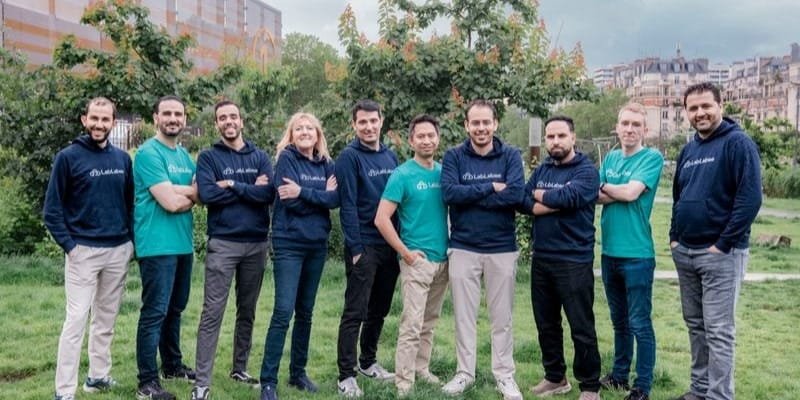
LabLabee Team [Credit: Lablabee.com]
LabLabee, founded in 2021 by Samir Tahraoui and Mahfoud Sidi Ali Mebarek, specializes in practical training for networking technologies, including 5G, telecom, and AI. By offering affordable training solutions for enterprises and universities, LabLabee is addressing the skills gap in Africa’s tech industries. In 2024, the startup raised $3.4 million to expand its services, particularly in advancing 5G technology training.
LabLabee’s hands-on approach to education ensures that learners are job-ready, making it a valuable resource for organizations transitioning to next-generation technologies. As Africa continues to embrace digital transformation, LabLabee’s innovative training solutions position it as a key enabler of technological advancement and workforce development.
8. Cleva (Nigeria)
Cleva [Credit: Yahoo Finance]
Cleva is transforming cross-border payments by enabling Africans to open secure USD accounts. Founded by Tolu Alabi and Philip Abel, the fintech startup empowers users to combat hyperinflation and conduct international transactions with ease. In 2024, Cleva secured $1.5 million in pre-seed funding to enhance its platform, which offers a seamless and secure experience for global payments.
The startup’s mission to democratize access to stable currencies has resonated with individuals and businesses across Africa. Cleva’s intuitive platform and innovative solutions provide a vital lifeline for users navigating economic uncertainties, solidifying its role as a disruptor in the African fintech ecosystem.
Kenyan skincare brand Uncover raises $1.4 million [Credit: Uncover Skincare]
Uncover, a skincare brand co-founded in 2021 by Sneha Mehta, Jade Oyateru, and Catherine Lee, combines K-Beauty technology with a focus on inclusivity to create products tailored for women of color. The startup raised $1.4 million in 2024 to expand its operations, including a planned entry into the Nigerian market. With personalized skincare solutions, Uncover is redefining beauty standards and celebrating diversity in the industry.
By leveraging data-driven insights and consumer feedback, Uncover ensures its products meet the unique needs of its target demographic. The startup’s commitment to inclusive beauty has earned it a loyal customer base, and its expansion plans highlight its ambition to become a leading name in the global skincare market.
10. Chowdeck (Nigeria)
Chowdeck Team [PHOTO CREDIT: Chowdeck]
Founded in 2021 by Femi Aluko, Olumide Ojo, and Lanre Yusuf, Chowdeck has rapidly scaled to serve 500,000 users across eight Nigerian cities. The food delivery startup combines efficiency with global best practices, offering a seamless experience for both customers and restaurant partners. Backed by prominent investors like Y Combinator and True Culture Funds, Chowdeck has established itself as a formidable player in Nigeria’s food-tech space.
Chowdeck’s growth is driven by its focus on reliability and user satisfaction. By streamlining food delivery processes and investing in technology, the startup continues to set itself apart in a competitive market, providing a model for innovation in Africa’s burgeoning digital economy.
11. Bokra (Egypt)
Bokra team [Credit: Techpoint Africa]
Launched in 2023 by Ayman El-Sawy, Bokra is democratizing wealth management for individuals and SMEs in Egypt. The fintech startup provides tailored investment plans with low entry barriers, addressing the accessibility challenges in Egypt’s financial markets. In 2024, Bokra raised $4.6 million to expand its platform and bring investment opportunities to underserved communities.
With a user-friendly interface and educational resources, Bokra empowers users to make informed financial decisions. By simplifying investments, the startup is fostering financial inclusion and helping a new generation of Egyptians build wealth, setting a precedent for fintech innovation in the region.
12. VaultPay (DR Congo)
Vaultpay co-founders Ntambwa Basambombo and Christel Ilaka [Credit: Linkedin]
Founded in 2023 by Ntambwa Basambombo and Christel Ilaka, VaultPay is building payments infrastructure for Central Africa, addressing the region’s low banking penetration. The startup enables instant transactions through telco networks, providing a vital service for underbanked populations. VaultPay’s potential was highlighted when it joined Y Combinator’s Summer 2024 class, marking it as a key player in financial inclusion.
By leveraging existing telecom infrastructure, VaultPay is bridging the gap between traditional banking and underserved communities. Its innovative solutions are transforming how people in Central Africa access financial services, laying the foundation for economic growth in the region.
13. Bamboo (Nigeria)
Bamboo founders Richmond Bassey and Yanmo Omorogbe [Credit: TechCabal]
Founded in 2019 by Richmond BasseyandYanmo Omorogbe, Bamboo empowers Africans to invest in local and global stocks seamlessly. The platform’s user-friendly interface provides access to a wide range of investment options, making it a go-to for both novice and experienced investors. In 2024, Bamboo expanded to Canada, introducing fee-free remittance services for the African diaspora, further enhancing its appeal to users seeking secure and low-cost financial solutions.
Bamboo’s mission to democratize access to investment opportunities has been a game-changer for individuals and businesses alike. By fostering financial literacy and enabling wealth creation, the startup has become a pivotal player in Africa’s growing fintech ecosystem, setting the stage for continued expansion and innovation.
14. Grey (Nigeria)
Grey founders Idorenyin Obong and Femi Aghedo [Credit: Techeconomy]
Grey, co-founded in 2020 by Idorenyin Obong and Femi Aghedo, simplifies global payments with its virtual international bank accounts tailored for freelancers and remote workers. The fintech surpassed one million users in 2024, offering virtual accounts in USD, GBP, and EUR, which enable users to transact internationally with ease. Grey’s intuitive platform is particularly valuable for digital nomads and businesses navigating cross-border transactions.
By addressing the challenges of global payments, Grey has positioned itself as a trusted partner for Africa’s remote workforce. Its robust growth reflects the increasing demand for seamless and secure financial solutions, solidifying its reputation as a leader in the continent’s fintech landscape.
15. Midddleman (Nigeria)
Midddleman co-founders Omolara Sanni and Adeola Owosho [Credit: Ikeja Record]
Midddleman, launched in 2023 by Omolara Sanni and Adeola Owosho, is redefining African e-commerce by addressing trust and logistics challenges in trade with China. The startup simplifies currency conversions to Yuan (CNY), making it easier for vendors to source products from China. In 2024, Middleman gained significant traction, winning notable grants such as the FCMB HERccelerate and Wetech PitchHER. The company ended the year with over ₦1 billion in total transaction value.
Midddleman’s innovative approach to solving trade inefficiencies has earned it a growing customer base and industry recognition. By enabling seamless international transactions, the startup is empowering African businesses to thrive in the global market, solidifying its role as a key player in the e-commerce sector.
16. Terrahaptix (Nigeria)
Terrahaptix founders Nathan Nwachuku and Maxwell Maduka [Credit: Techpoint Africa]
Terrahaptix, a Nigerian drone company founded by Nathan Nwachuku and Maxwell Maduka, is revolutionizing mining operations across Africa. The startup exports drones to South Africa, offering cutting-edge solutions for site mapping, equipment inspection, and environmental monitoring. By prioritizing safety and efficiency, Terrahaptix is addressing critical challenges in the mining industry.
The company’s focus on innovation and cross-border collaboration has positioned it as a leader in Africa’s growing drone technology sector. As industries increasingly adopt automated solutions, Terrahaptix’s expertise in drone applications is helping to modernize operations and drive sustainable growth.
17. GoMetro (South Africa)
GoMetro founders [Credit: TechFinancials]
GoMetro, a leader in electric fleet management solutions, raised $11.4 million in 2024 to expand its operations across Africa. The startup collaborates with Zenobē Energy to finance electric buses, facilitating fleet electrification and sustainable public transport systems. GoMetro’s innovative platform optimizes fleet efficiency, contributing to the continent’s transition to green mobility.
By addressing the environmental and economic challenges of traditional transport systems, GoMetro is playing a pivotal role in Africa’s sustainable transport revolution. Its partnerships and technological advancements underscore its commitment to reducing carbon emissions and improving urban mobility.
18. Lesaka (South Africa)
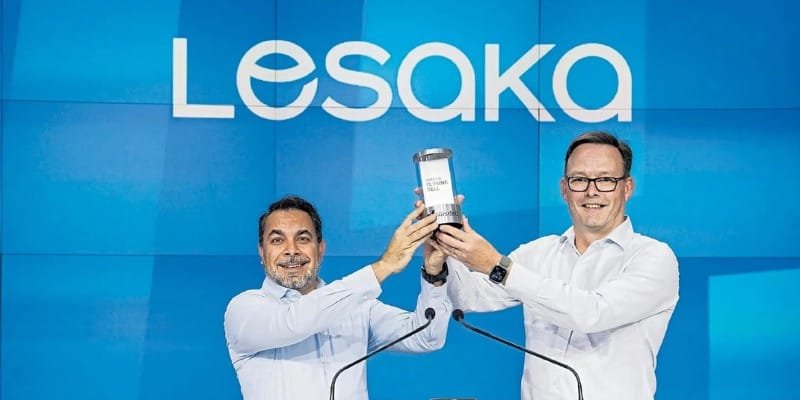
Lesaka [Credit: TechCabal]
Lesaka, formerly known as Net1, strengthened its position in South Africa’s fintech market with the acquisition of Adumo in 2024. This strategic move has significantly boosted Lesaka’s scale, enabling it to process $15.5 billion in annual transactions. CEO Lincoln Mali highlighted the integration as a critical step toward enhancing the company’s payment solutions and financial inclusion efforts.
With a focus on leveraging technology to drive financial accessibility, Lesaka has become a trusted partner for businesses and individuals alike. Its commitment to innovation and customer-centric solutions has made it a cornerstone of South Africa’s fintech ecosystem.
19. Auto24 (Ivory Coast)
Auto24 [Credit: Imotoimoto]
Launched in 2022, Auto24 is transforming Africa’s automotive retail space. The marketplace expanded to Morocco, Rwanda, Senegal, and South Africa in 2023, offering value-added services such as vehicle warranties and electric charging solutions. By prioritizing customer convenience and sustainability, Auto24 is redefining the car-buying experience on the continent.
Auto24’s rapid expansion highlights its success in addressing the evolving needs of African consumers. Its innovative approach to automotive retail positions it as a key player in the region’s growing vehicle market, setting new standards for trust and efficiency.
20. NALA (Tanzania)
NALA [Credit: Disrupt Africa]
NALA, a fintech focused on simplifying cross-border payments, has become a lifeline for Africans navigating high remittance fees. With backing from prominent investors like Amplo and NYCA Partners, NALA’s platform leverages innovative technology to cut costs and enhance accessibility. Its user-friendly app enables fast and reliable money transfers, making it a popular choice for individuals and businesses alike.
As the demand for affordable remittance services grows, NALA continues to expand its reach, empowering users across the continent. By prioritizing financial inclusion and leveraging cutting-edge solutions, NALA is shaping the future of cross-border payments in Africa.