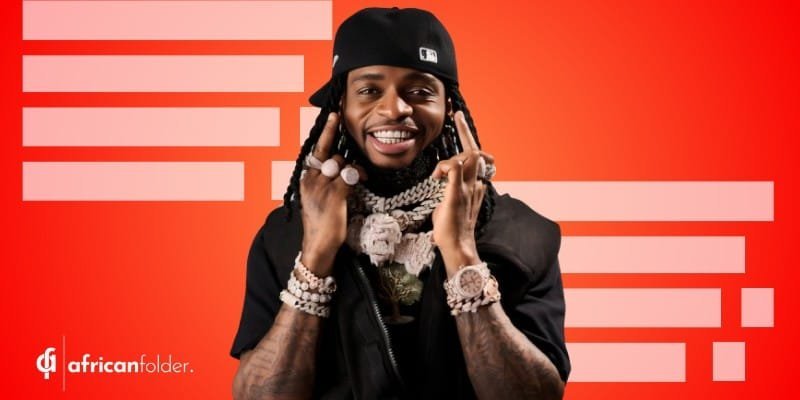
From humble beginnings in Tandale, Diamond Platnumz has become one of the biggest musical exports from East Africa. Since his breakthrough over a decade ago, Simba has consistently pushed the boundaries of Tanzanian music with his unique fusion of Bongo Flava, East African Taarab, and Afropop, creating a sound that appeals to a global audience while retaining its core Tanzanian essence.
Diamond Platnumz is the first sub-Saharan African artist to earn over 1 billion YouTube views and has been nominated for best international act at the BET Awards three times. The Tanzanian powerhouse has remained a consistent presence on charts across Africa and beyond, racking up impressive numbers and becoming one of the most recognisable voices in African music.
Here, we look at Diamond Platnumz albums, ranking them from worst to best.
4. Kamwambie (2010)
While his debut album helped introduce Diamond to the East African music scene, it lacks the polish and innovation of his later works. Though songs like Nitarejea and Nalia Na Mengi showcased his budding talent, songs like Nibebe and Mbagala show his natural gift for crafting infectious melodies. The album also hinted at the R&B stylings he hadn’t yet developed and feels like the offering of an artist still searching for his signature sound, caught between traditional Bongo Flava elements and contemporary pop influences. Despite its flaws, Kamwambie captures the energy and ambition of a talented young artist on the verge of superstardom.
3. A Boy from Tandale (2018)
A Boy from Tandale represents Diamond Platnumz at his most ambitious, as his quest for international acclaim is made no secret on this album. The album tries to balance Diamond’s signature intimate storytelling with commercial appeal, and he recruits mega stars like Davido, Rick Ross, Omarion, Ne-Yo, Flavour, Tiwa Savage, Vanessa Mdee, and MorganHeritage to help his cause. The album is an attempt to tell the story of Diamond’s journey from Tandale to stardom while retaining the authenticity that made him connect with audiences in the first place. The album cuts across Bongo Flava, hip-hop, R&B, reggae, dancehall, Afropop, and Pon Pon. Packed with bouncy club bangers as well as bongo flava tunes in a bid to balance out the ambitious, genre-hopping songs, the result is an album that is unnecessarily long and lacks cohesion.
With his sophomore effort, Diamond presents a much more cohesive and refined sound that seamlessly merges Bongo Flava elements with modern Afropop and R&B sensibilities. The album is a masterclass in confident storytelling, with the Diamond’s soulful and melodic vocals creating a truly enjoyable listening experience. The album’s title song, Lala Salama, Chanda Chema, Kwanini, and Najua showcase his penchant for crafting infectious and heartfelt love songs, while records like Moyo Wangu and Mawazi display his ability to craft party-starting anthems.
1. First of All (2022)
Diamond’s most recent album is his most polished album to date. First Of All is the offering of an artist who has established himself on the continental and global stage and has cemented himself as one of the biggest African stars. The result is an album that effortlessly blends his signature sound with R&B, Afrobeats, Amapiano, and contemporary pop sounds. Records like Melody, Somebody, Loyal, Fine, and Sona demonstrate his improved songwriting while he maintains the melodic mastery that has made him an African music heavyweight. The album is a pristine take on love and is a testament to Diamond’s continued evolution while maintaining his core appeal.
Across four albums, Diamond Platnumz documents his evolution from local sensation to global megastar. With each release, he keeps raising the bar and reinventing himself. His unique ability to tap into the creations of others and reimagine them into something familiar, enjoyable, and unmistakably his has helped him create a blueprint for East African artists to achieve global recognition while staying true to their roots.
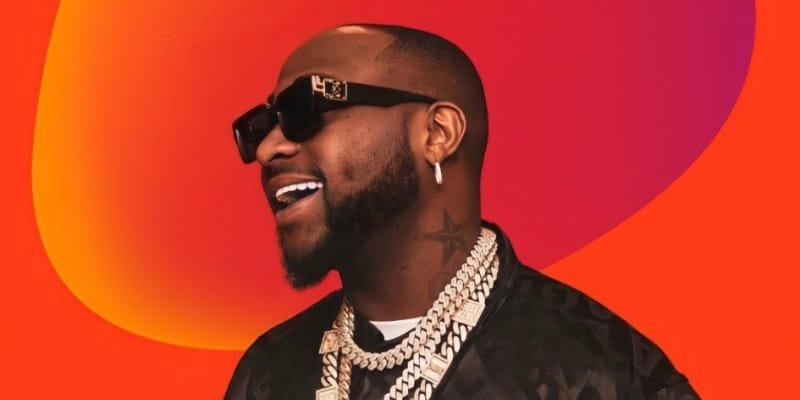
It feels like just yesterday when a teenage Davido burst onto our screens with Back When, marking the beginning of a legendary career. Over the years, he has released some of the most iconic Davido albums, shaping the Afrobeats genre.
The 001 of Afrobeats has cemented himself as one of the industry’s most consistent hitmakers, delivering banger after banger with reckless abandon. Yet, the veteran shows no signs of slowing down—his fifth studio album, 5ive, is set for release on March 14, 2025.
As we anticipate 5ive, we take a dive into his discography, ranking Davido albums from worst to best. From Omo Baba Olowo: The Genesis to Timeless, we revisit the music that secured his place in the Hall of Fame of Nigerian music.
5. A Better Time (2020)
Worst Despite spurning smash hits like FEM, The Best, and Jowo, Davido’s third album, A Better Time, felt more like a compilation of potential hits than a cohesive body of work. In a year when his eternal rivals, Burna Boyand Wizkid, delivered groundbreaking albums with Twice as Tall and Made in Lagos, Davido failed to rise to the occasion. The album lacked a central theme as Davido relied on a hit-first approach that resulted in a 17-track album that delivered only a handful of satisfying records completely eclipsed by a majority of forgettable songs. The international features—Nicki Minaj, Lil Baby, and Nas—felt like forced additions aimed at commercial success rather than seamless collaborations. No song encapsulates how terrible this album is more than Birthday Cake with Nas, a horrible record that fell flat despite the legendary rapper’s presence. Overall, A Better Time lacked quality, failed to leave a lasting impact, and was quickly forgotten. Good riddance.
4. Son of Mercy (2016) [EP]
In 2016, the Afrobeats to the World movement was in its infancy and Davido was one of the genre’s biggest names. With growing international demand and a lucrative recording contract with Sony Music in place, he released Son of Mercy, his major-label debut. In an attempt to appeal to an international audience still unfamiliar with the Nigerian Pop sound, Davido adopted a Western R&B/Pop sound which was a clear departure from his signature Afrobeats style. While songs like Gbagbe Oshi and Coolest Kid in Africa had their moments, the project ultimately lacked the X-factor needed to truly connect. Unfortunately, Son of Mercy failed to resonate with both his core fan base and the international audience he tried to impress, leaving the EP feeling inconsequential and—in Davido’s own words—sounding like shit.
Davido’s career is synonymous with hit songs and his debut album delivered a number of them. Records like Dami Duro, Ekuro, All of You, and Overseas laid the foundation for his incredible career and still continue to thrill longtime fans and new audiences to this day. The album showcases the relentless energy of a teenage but highly ambitious Davido who basks in the glory of newfound fame and fortune, resulting in a celebratory debut. While Omo Baba Olowo had its flaws—its songwriting left much to be desired and his vocals needed training—the album has aged well and remains both relevant and enjoyable. A testament to Davido’s undeniable ability to craft music that stands the test of time.
2. Timeless (2023)
After what seemed like a long hiatus following the unfortunate passing of his son, Davido made a strong comeback with Timeless, showing growth and maturity as he refined the flaws of his previous albums to deliver his most polished and seamless body of work yet. Songs like Unavailable, Kante, No Competition, and Feel became instant fan favourites while records like Na Money, Godfather, and LCND have all aged like fine wine. The album sells well two years after its release, solidifying its place as Davido’s most defining work.
1. A Good Time (2019)
A Good Time is easily Davido’s most complete and impressive album. As the name implies, Davido delivered on his promise of A Good Time while providing a vivid image of his journey to becoming one of Africa’s biggest pop stars. With songs like Blow My Mind, Risky, Sweet in the Middle, Disturbance, Big Picture, and D&G, the album delivered multiple hits while still feeling well-curated. A Good Time is the offering of an artist who has consistently fine-tuned his craft and removed the rough edges that once held his music back. The result is a fully clear vision for the future of his artistry, buoyant and undeniably infectious. A Good Time stands as one of Afrobeats’ finest albums and is a testament to Davido’s unwavering resolve to continue evolving. It is without doubt the best Davido album of all time.
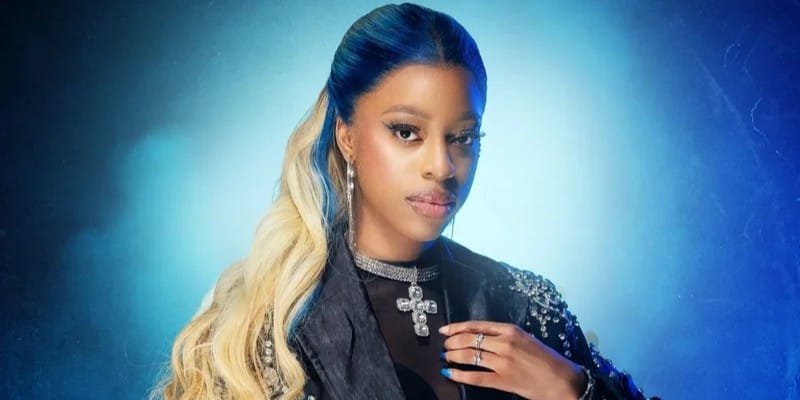
When Qing Madi burst into the scene with See Finish, it was clear that the teenager was destined for incredible things. Her self-titled debut EP was a brilliant showcase of her vocal range and songwriting ability. The EP seemed tailored to a niche teenage audience as Madi spoke to the sensibilities of her generation, whether she was discussing her ambitions or romance.
A little over a year since her debut EP, Qing Madi has cemented her place as one of Africa’s finest young talents, and even the sky doesn’t seem to be the limit for her. Her debut album, I Am The Blueprint, reflects her confidence, self-assurance and youthful audacity as she refuses to be defined by others, asserting her identity and artistic vision with the belief that she is creating a template and setting a standard for her generation to follow.
She documents her lofty dreams on the opener Bucket List, an introspective yet ambitious anthem that reflects her dreams, determination, and belief in her destiny. The song blends self-affirmation with a deep desire for success, as she acknowledges the long journey ahead while remaining confident in her potential. Her bucket list is full of dreams—winning a Grammy, building an empire, and buying her mother a mansion. The song relates her desire to make a lasting impact.
While her confidence is sky-high, Madi still contends with internal battles as she reveals on Pressure. These internal battles could arise from doubts, pressure, past mistakes, and the weight of personal struggles. While she acknowledges her struggles, she seems pretty unconcerned as she relies on God for hope and redemption, putting trust in God and letting go of battles that are beyond her control.
While Qing Madi has said in multiple interviews that she has yet to have a romantic experience, romance makes for a significant chunk of this album. She lets her imagination run wild as she explores romance and its complexities on the album.
The Prestige-produced Ali Bomaye is a soulful song that expresses deep gratitude and love for a significant other. The song captures the essence of finding solace in love amidst life’s chaos. Its infectious rhythm makes for a satisfying listen, but the writing on the hook is lazy.
While it’s clear Qing Madi wants to create accessible and resonant hooks on this album to appeal to a broader audience, her talent suggests she’s capable of crafting far more compelling hooks than this.
On the bouncy Afropop Akanchawa laced with infectious strings, the singer expresses a willingness to give everything for the person who has captured her heart. She is so drawn to them that she is willing to set aside her ego, indicating a deep emotional connection.
She repeats similar sentiments in the passionate and playful Goosebumps, where she expresses deep attraction and admiration for her love interest. Qing Madi delivers a vibrant and rhythmic record that reflects the excitement of being infatuated with someone as she sings, “I get a lot of goosebumps when I’m with you”.
Qing Madi balances the vibrant and exciting aspects of romance with a candid portrayal of its darker, more troubled dimensions. Favorite Psycho is a deeply compelling and moving R&B number where she passionately sings about a complicated situation where deep emotions are intertwined with heartbreak and loyalty. It’s a heartfelt portrayal of someone caught in the emotional chaos of a difficult relationship as well as a cautionary tale about the dangers of blind loyalty and the need for people to place more value on themselves. It’s the best song on the album.
It’s a Game is a close second on the list of best songs on this album. Madi talks about being manipulated in a relationship, which eventually leads to questions being asked about the true intentions of her love interest. Qing Madi’s delivery conveys the pain of betrayal as Wademix crafts a minimalistic yet atmospheric beat driven by chilling chords and mild kicks. Garden is a soft and deeply intimate record aided by its melodic delivery and heartfelt lyrics. Garden in this context represents a safe space where love can flourish, free from doubts and fear. A minute with me in the garden / So, won’t you gimme just a one chance, chargie she sings.
While the album is really good, its Achilles heel is its heavy reliance on a narrow range of sounds and production, which results in a lack of sonic depth. Many songs on the album have the same tempo, energy and mood.
The album follows a predictable structure with no twists to keep listeners engaged. This is where a handful of features would have been necessary to deliver the variety the album sorely needed.
When an album maintains the same sound and tempo, it can create a sense of monotony, which can make potentially great songs sound intolerable. Records like Gimme Your Love, One Day, Right Here and Feeling Alright, which may have been enjoyable songs in a different context, make for a tedious listen due to the similarities they share with most of the other songs on the album.
Despite these flaws, Qing Madi can hold her head high and be proud of herself. Debut albums are by far the hardest to pull off, especially when you’ve enjoyed success like she has in the last year. Overall, it is a satisfactory debut offering from a teenager who is still finding herself. This writer is excited for her.
Cruel Santino has been active on X lately, and his recent tweets have drawn some attention. The Alté frontman’s resurgent social media activity seems to be partly triggered by the brutal criticism of the Alté movement by Nigerian journalist Joey Akan.
In one of his latest tweets, Santino raises concerns about the creative progression of Nigerian music (read: Afrobeats) since its meteoric rise to international acclaim and the accompanying influx of Western investment.
While some may have been quick to dismiss Santino’s comments, a closer look reveals a perspective that should be considered. His concerns about the genre’s lack of creative progression and its connection to commercial success deserve attention.
anyhow enough yapping because we all making money does not mean music is progressing and just like everything when it becomes boring the western world will free it and move on to the next thing but s/o the girls- ayra tems bloody fave etc- and s/o rema asake shali zerryl and…
Afrobeats has taken the world by storm, with chart-topping hits and collaborations with internationally acclaimed superstars. The genre’s popularity can be attributed to the large Nigerian diaspora, a seemingly insatiable demand for Nigerian music, and the diversification of the global music landscape.
However, beneath Afrobeats’ widespread international acclaim lies a concern about its creative progression and evolution. There is a severe lack of innovation, which threatens to stifle the genre’s international acclaim.
The prolonged reliance on Amapiano is an indicator that most artists would rather adopt what is working than create something new. While Amapiano added a fresh dimension to Afrobeats, the sound eventually became stale, with many artists repeating the same formulas to score hit songs. What’s even more alarming is that many artists failed to recognise the audience’s growing fatigue with Amapiano’s familiar sound and their craving for something new.
The rise of emerging artists adopting the styles of established acts like Rema, Victony, and Omah Lay is another worrying trend. There is an unfortunate abundance of clones and copycats, especially among new artists. This suggests that many emerging artists are prioritising commercial success over authenticity and originality. While the music is commercially viable, it lacks the creative spark needed to push Afrobeats forward.
Fortunately, there are exceptions. Rema’s 2024 album HEIS is a bold example of Afrobeats’ creative potential, combining Afropop with hyperpop and rock. Ayra Starr’s sophomore album also incorporates a range of sounds, including reggae, pop, R&B, folk, and ballads. These artists are driving the genre forward, but they remain in the minority.
A significant number of artists continue to rely on familiar styles and formulas, which threatens the long-term sustainability of Afrobeats. If the genre does not continue to evolve, the West will eventually move on to the next big thing.
So, how can Afrobeats progress creatively? The key lies in experimentation. Artists must be willing to take risks and explore new sounds. The genre has proven to be malleable, and incorporating elements from other styles is a way forward. Fans must also be open to experimentation from their favourite artists. This means embracing new sounds and styles even if they don’t resonate immediately. A prime example is the initial reception of HEIS.
The album was met with scepticism and harsh criticism on X upon its release. However, as time passed, its innovative nature and Rema’s bold artistic vision won people over. This highlights the importance of giving artists the freedom to experiment rather than judging their work solely based on previous releases or first impressions.
Revisiting traditional music styles and exploring Nigeria’s rich cultural heritage can also contribute to Afrobeats’ growth. While there has been a notable increase in artists exploring their indigenous influences, there’s a range of unconventional and traditional Nigerian instruments, sounds and styles yet to be explored and a wealth of sonic inspiration waiting to be tapped. By diving deeper into this cultural treasure trove, artists can not only uncover new sounds but also showcase the incredible diversity and creativity of Nigerian music.
We must also explore the rich musical heritage of Africa. The success of Amapiano, a genre from South Africa, demonstrates the potential for cross-cultural exchange and innovation. Yet, we’ve barely scratched the surface of the musical wealth that exists from Central to Northern Africa. By exploring these untapped sounds, we can also add depth and complexity to our music and also mine the musical gold we have at our disposal.
For Afrobeats to maintain its global success, prioritising experimentation and innovation is crucial. The future of the genre depends on its ability to keep evolving, and it is up to artists and producers to drive this creative progression. The future of Afrobeats isn’t just in its commercial success—it’s in its ability to remain fresh, bold and daring.
Ladies and Gentlemen, The Nigerian hip-hop scene is on fire. With a string of scorching hot albums hitting the internet landscape all through 2024, the scene is bubbling and Nigerian rappers are showing up and showing out.
What makes this even more exciting is that we are only in February. By all indications, it’s clear that 2025 will be a monumental year for Nigerian rap.
Nigerian hip-hop has always been a force to be reckoned with. While the incredible commercial success of Afrobeats in recent history has put hip-hop on the sidelines, Nigerian hip-hop continues to boast a rich history of iconic artists and hall-of-fame albums. A history some may argue rivals that of Afrobeats itself.
Following a brief period where the scene appeared to stagnate, forcing many rappers to pivot to singing to stay commercially viable, the genre has experienced a significant surge.
This is thanks to the innovative talents of rappers. Blaqbonez, PsychoYP, Odumodublvck, Shallipopi, and Ladipoehave lit up the mainstream, scoring chart-topping records and number-one albums.
The remarkable commercial success of these artists has revitalised the hip-hop scene and opened the gates for a new generation of Nigerian rappers to emerge, each bringing their unique style and perspective to the table.
From the lyrical dexterity of Oluwamillar to Zhus Jdo’s graphic bars to the bouncy flows of Caleb Clay to the melodic rap style of Sknny, the range of talent on display is undeniable.
So, what are some of the standout projects that have dropped in recent times? Let’s take a look:
Oluwamillar – Agbalabi
Oluwamillar’s latest album is a masterclass in lyrical storytelling, with Millar delivering razor-sharp bars over a range of eclectic beats. An early contender for rap album of the year, Millar proves he is not a flash in the pan, delivering an exciting rap album deeply rooted in Yoruba culture that resonates with a wide range of listeners.
Anti World Gangstars – Nothing Changed
While this album was officially released mid-December during the peak of the Detty December sensation, it took until the turn of the new year for listeners to fully digest this album and appreciate its immense quality. Odumodublvck, Agunna, Fatboy E, Reeplay, and Shagba carry their city on their heads and deliver an explosive and exciting rap project destined to become a cult classic.
Igho Mike & Mxps Rellington – Sunz On Pegasus
This collaborative project brings together two of Nigeria’s most exciting young rappers, resulting in a thrilling blend of mellow-aggressive beats and razor-sharp, introspective lyrics. The duo showcase their chemistry and delivers a thought-provoking album.
KingCap – For Life
KingCap’s latest offering is a profound and personal exploration of his life’s experiences. This introspective masterpiece delves into the complexities of the rapper’s inner world as he lays bare his struggles, fears, and means of escapism and triumphs. With picturesque storytelling and lyrical complexity, KingCap navigates themes of self-discovery, vulnerability, and resilience, delivering a deeply relatable album.
Nigerian hip-hop is indeed alive and thriving. With its array of talents at its disposal, the future of the genre looks brighter than ever. If you’re not tapped in already, you’re doing a big disservice to yourself.
In recent weeks, social media discussions have revolved around the upcoming remix of Fido’s smash hit Joy is Coming, featuring Kizz Daniel.
As the conversations started to cool, another version of the song featuring Wande Coal hit the internet this past weekend, quickly reigniting the debates. While some fans are excited about the Kizz Daniel remix, others are skeptical, questioning its necessity. However, as the music industry continues to evolve, one thing is clear: remixes are more important than ever.
Remixes have been a staple of the music industry since time immemorial. However, their significance has grown exponentially recently, particularly for African artists and Afrobeats.
Are remixes helping or hurting Afrobeats in 2025?
Historically, remixes came about in the 1970s and 1980s as DJs and producers attempted to reimagine songs for dance audiences. The remixed versions often combined different genres in a bid to introduce their audience to new music.
Since then, remixes have become a potent strategic tool for artists to propel their songs to new heights both commercially and creatively.
For African artists, remixes are not just a tool to trend. Remixes are a pathway to international recognition and success. A prime example is the remix of Wizkid’sEssence featuring Justin Bieber, which became the first Nigerian song to crack the top 10 of the Billboard Hot 100. This remix shattered the ceilings for Afrobeats and introduced the genre to a new and widespread global audience.
Similarly, Rema’sCalm Down remix with Selena Gomez broke records, becoming the first African artist-led song to amass 1 billion streams on Spotify and cemented Afrobeats’ place on the global stage. These accomplishments highlight the potency of remixes to expand the reach of African music.
From a commercial standpoint, remixes have proven to be potent tools to boost streaming numbers and improve chart performance. Remixes often tend to outperform the original version, especially when a popular artist with a much bigger audience is featured.
Remixes also provide an avenue for artists to tap into new markets. By collaborating with international stars, African artists can break into regions like North America, Europe, and Asia, where their music might not have initially gained traction.
From an artistic perspective, remixes offer an opportunity to reimagine a song and present it in a fresh, innovative way. Asake’sLonely at the Top remix featuring H.E.R, for example, reimagined the original song into an acoustic piece, presenting the song differently.
Unfortunately, not every remix is a surefire hit. For every Calm Down remix, there is a Soso and Ku Lo Sa remix that failed to do anything worthy of note. These failures usually tend to be questions about the necessity of remixes.
Some others might argue that remixes can dilute the originality of a song or feel like a cash grab—especially a song like Joy Is Coming that’s already a certified smash hit. Yet, as the music industry becomes increasingly competitive, artists have recognised the strategic value of remixes to extend the life of the song and keep them relevant until they can find the next hit.
Remixes have always been a staple of the music industry; looking forward to 2025, it is guaranteed to stay that way. Remixes are and will undoubtedly remain a potent tool for African artists. As the global appetite for African music continues to grow, remixes will play a crucial role in sustaining momentum.
The forthcoming remix of Joy is Coming featuring Kizz Daniel—or Wande Coal—is poised to be a banger. The song is already an anthem; the addition of these artists is simply the catalyst needed to catapult its streaming numbers to new heights.
When people speak about Vector, they usually talk about one of the continent’s finest rappers. Vector’s intricate wordplay and punchlines, delivered with clear enunciation and smooth but hard-hitting flows, have made him one of the most revered rappers on the continent.
One of the finest shapeshifters in the game, Vector embodies different personas with relative ease and intelligently conveys his message. Across six albums, Vector has embraced evolution and continued exploring different sides of his talent.
On his 2021 record Early Momo, featuring Goodgirl LA, tha Viper embraced a grounded and charismatic lover whose smooth-talking and laid-back personality are his most potent weapons as he requests genuine connection with his love interest. He explores that persona in-depth on his sixth album, Teslim: A Lover Boy PTSD, a project that delves into the complexities of love and trauma.
He substitutes his intricate wordplay and punchlines for sweetly sung melodies on records that resonate with everyday people. Across the album, he discusses love and the complexities involved in expressing it.
The album opens with the Majeeed-assisted Can’t Come Close, where Vec discusses his distant affection for his love interest. He deeply admires her but is unable to approach her due to his internal struggles. It documents an experience most people can relate to in their relationships and personal lives as it explores the universal theme of admiration and hesitation.
Vector does a lot of singing on this album and recruits a host of singers to aid his cause. Tiwa Savage is the most prominent guest feature, and her placement on the heartfelt Repay Your Part could not be any more perfect. Her soulful delivery complements Vector’s reflective cadences as they converse about the challenges involved in maintaining a relationship and keeping genuine connections strong. He acknowledges her independence and strength, likening her to a ‘strong head,’ while she recognises his struggles as she sings, “I’m fighting my feelings since you’re fighting your demons.”
Vector makes no secret of his quest for radio-friendly records on this album. Kampe is an Afrobeats record characterised by its rhythmic blend of groovy basslines and synth-infused production that creates a feel-good atmosphere. Bum Bum of my heart’ is a fun and playful record driven by a lively tempo and a danceable groove.
The album is masterfully curated, with Vector operating in different sonic spaces across the album without any song sounding out of place and creating a cohesive listen.
The dancehall-inflected My Dada, which features Top Adlerman, Jossman, and Emmsong, gives way to the Niniola-assisted house record Iya Nla Iya. The bouncy trap joint It’s a Chill fails to generate any excitement, but its calming backdrop makes the record tolerable.
The remix of his 2022 record, Fefe, features an additional verse from French rapper Scridge. The album closes with the deeply spiritual and introspective If They Are Real, featuring Bella Shmurda.
Across 10 tracks with a runtime of 35 minutes on the Teslim: A Lover Boy PTSD album, Vector delivers his most enjoyable album yet. The biggest critique of Vector’s earlier offering was their scatterbrained approach. His 2019 album Vibes before Teslim marked a significant turning point, and Vector has not looked back since. This album is cohesive, diverse, and enjoyable. He shows that there’s more to Vector than we know, and he isn’t afraid to show it despite being two decades into his career.
Since cementing his place in the Nigerian mainstream with 2022’s commercially acclaimed Billion Dollar Baby, Seyi Vibez has been head and shoulders above everybody else in terms of output. He has released two full-length albums, two EPs and one mixtape since 2022. With a remarkable seven bodies of work under his belt, Seyi Vibez has reliably delivered well-loved anthems and chart-topping hits.
Unfortunately, his relentless work ethic has proven to be a lot for listeners outside his core fanbase, one he has worked tirelessly to build over the years. Beneath the surface of his popular anthems lies a treasure trove of underrated records that showcase his depth and versatility.
These records reveal a different side of the mad genius, one that’s introspective, experimental and bold. Here’s a look at some of Seyi Vibez’s best-kept secrets.
1. Saro (2022)
This record sits pretty at track four on his critically acclaimed debut album, Billion Dollar Baby. The record is a heart-wrenching documentation of his struggles as a hustler. With a voice of experience, he reflects on his street savvy, sharing how he avoided pitfalls and how he stayed ahead of the game before going on to celebrate his newfound success. The fusion of street hop elements and melodic undertones makes it both an anthem for the streets and the soul as it is a record that resonates with listeners across different walks of life.
2. Ife (2023)
In this record, he showcases his loverboy side as he bares his soul and candidly expresses his emotions and his emotional limitations as he reveals that while his heart is full of love for his love interest, his schedule is fuller, leaving him with the struggle of balancing love and hustle. The record acknowledges the disconnect a lot of people experience between their feelings and their capacity to nurture the love they want to give and the time they can devote.
3. LOML Ft. Ami Faku (2023)
In a bid to connect with listeners beyond his base, Seyi Vibez tapped South African sensation Ami Faku. LOML is a soulful collaboration and a heartfelt ode to love with Loseyi’s powerful delivery perfectly complemented by Ami Faku’s enchanting delivery. The lush production employs rich melodies and creates an intimate soundscape.
Seyi Vibez opens his debut EP, No Seyi No Vibez, with the guitar-driven Superstar, a sultry ballad where Seyi Vibez utilises his silver tongue to woo his love interest. Beneath the romantic veneer, he sweetly brags about his status as a rising star, sounding excited about his bright future. The title Superstar serves as a testament to Seyi Vibez’s lofty ambitions, setting the tone for an album that showcases his artistry and swagger.
5. Gatti Ft. Dwillsharmony (2024)
Gatti is a high-energy anthem laced with an infectious rhythm and raw intensity as Seyi Vibez and Dwillsharmony deliver electric performances over a pulsating beat. The duo delivers boastful verses about their newfound wealth and the goodies that come with success. Dwillsharmony injects additional swagger with his smooth wordplay and flair while Seyi maintains his signature raw delivery.
6. IG Story (2023)
This record is a vibrant fusion of gratitude, street credibility, and bravado, delivered with his trademark flair. The lyrics capture his journey to success, the challenges he’s overcome, and his determination to keep thriving. The song’s production combines infectious rhythm with rich instrumentation that enhances Seyi’s dynamic flow.
7. Blacka Rhythm (2023)
Emotive, introspective, and deeply personal, this soul-stirring track weaves together themes of love, loss, and perseverance. With unflinching honesty, he offers a candid glimpse into his turbulent past, recounting his experiences as a young hustler, navigating treacherous streets and overcoming adversity. With its haunting melodies, emotionally charged lyrics, and a blend of African rhythms and contemporary production, this song is a powerful exploration of the human experience.
90s reflects his journey of resilience, faith, and ambition. Still a youngster when he released this song, he opts for lyrics that convey a determination to succeed against all odds, repeatedly affirming his belief in guidance from a higher power as well as the sheer will to fight through challenges. “I no fit stop, until I chop, I must to make am, mummy must to chop” speaks to his drive to provide for his family and the focus on achieving success no matter what. Four years later, it’s safe to say he’s achieved more than he may have envisaged when he was penning this record.
9. 12:07 (2020)
This record follows a similar trope to the previous record. A blend of introspection, determination, and gratitude towards the divine with a young Seyi Vibez reaffirming that no matter what life throws at him, he will always stick to his own path, trusting God to guide him. He paints a vivid picture of his hustle: “Na money I dey find, mio fe da’ran” while also expressing his unwillingness to follow the footsteps of others and his intention to carve out his own path.
10. Manchester (2024)
Off his most recent EP, the mad genius basks in the euphoria of his superstar, highlighting his growing international recognition as he sings “Won wa mi ni Manchester” (They want me in Manchester) and “Won wan mi ni Germany” (They want me in Germany). He references high-end brands like ‘Balenciaga’ symbolising a sense of luxury as a marker of his rise. He acknowledges the challenges he faced along the way, but he quickly switches to an optimistic outlook as he is determined to enjoy the fruits of his labour now that he has achieved financial success.
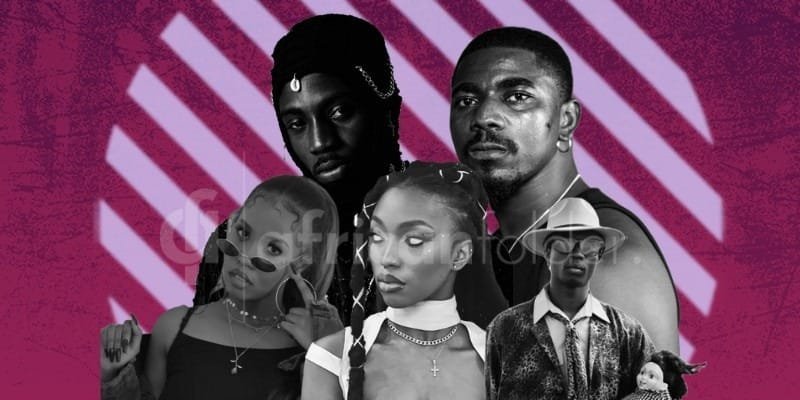
Last year, the African music scene witnessed several rookies take a leap forward and ascend to stardom. We saw the rapid rise of Ayo Maff,Qing Madi, and Uncle Waffles, who collectively delivered memorable projects and hit singles that resonated across the continent.
While 2024 did not produce an obvious breakout artist across all the top genres—such as Afrobeats, alté, highlife, amapiano, fuji, and more—several rising artists had a strong year, positioning themselves for a prosperous 2025.
As we step into 2025, African Folder is showcasing 15 of the brightest African artists we believe have the potential to shine even brighter this year. Here are the African artists we’re rooting for in 2025.
1. Llona (Nigeria)
2024 was the year of Llona. The Kano State native, armed with confidence in his craft, took a bold leap of faith by releasing his debut album, Homeless, while still a relative newcomer. Five months later, Llona is no longer a rookie. He has become one of the brightest gems in Nigerian music. Homeless was a resounding success, enjoying permanent residency on the Nigerian charts across all platforms. It catapulted Llona from a niche favourite to a mainstream sensation and expanded his fanbase exponentially.
In 2025, Llona’s stock is expected to continue rising as he aims to blossom into a household name.
2. ZerryDL (Nigeria)
One of the biggest beneficiaries of Shallipopi’s meteoric rise in 2023 was his brother, ZerryDL. Riding the wave of Shalli’s success, ZerryDL scored his breakout hit with Puff Puff Pass. However, in 2024, ZerryDL proved two critical points: first, that he isn’t a one-hit wonder, and second, that he possesses the talent and artistry to establish himself as a hitmaker in his own right—independent of his brother.
Despite starting the year with the poorly received Wara Wara Szn, ZerryDL bounced back emphatically in the final quarter of the year, scoring two major hit records—Back to Back and the Hausapiano remix—while lending swaggering verses to Bayanni and Ayo Maff. With his debut album in the works, Zerry is poised to leave his mark on Nigerian music in 2025.
As music consumers craved something different from the Amapiano fusion that dominated the better part of the last five years, FirstKlaz emerged as a refreshing force, offering a distinctly unique sound. His innovative blend of Afropop with Fuji—coined as Gen Z Fuji and Gen Z Faaji—and Arewa Pop, also known as Gen Z Arewa, injected much-needed vibrancy into the music scene.
Aiming to leave his mark on the Nigerian music industry, FirstKlaz is brimming with potential, especially following the success of his nationwide tour.
4. Arathejay (Ghana)
Arathejay is the latest Ghanaian talent making waves in Nigeria and across Africa. The multifaceted artist first found success in 2021 when his song Sankofa disrupted Ghanaian airwaves and charts, even earning the attention of King Promise, one of Ghana’s biggest stars. Since then, the artist—who describes his sound as spiritual—has come into his own, delivering music imbued with profound emotional depth.
Now, after releasing the Black Sherif-assisted Jesus Christ 2, Arathejay is determined to leave his mark on the world.
5. Tar1q (Nigeria)
Since its inception, Chocolate City has consistently introduced and nurtured emerging talents, with Tar1q leading the charge as a standout among the latest additions to the label’s roster. While his penchant for love and sex is reminiscent of his label mates Blaqbonez and Young Jonn, Tar1q masterfully engineers diverse sounds and topics, presenting them in ways that feel both refreshing and different. With three critically acclaimed EPs to his name, it’s evident that his incubation period has run its course. Now, it’s time for the Son of the Moon to become a superstar.
6. Winny (Nigeria)
Winny enjoyed a cool Detty December moment as Grammy award-winning superstar Wizkid showed off his newly acquired MClaren 750s with her song playing in the background. The song is the sultry reggae fusion Suh Good featuring Projexx off her 2024 album Commercial Break. A project described by Rolling Stone as a must-listen. With the awareness of the fact that Big Wiz is a fan of Winny’s music, one would hope the seminal superstar would not mind lending a career-propelling verse to the talented upstart. Regardless, Winny’s career trajectory is steadily climbing in the right direction; there will be no surprises if it all comes to a head in 2025.
7. Yarden (Nigeria)
While Yarden has enjoyed a well-deserved moment with the success of his viral single Wetin, he remains an artist worth keeping in the spotlight. The Port Harcourt native has yet to solidify his status as a bona fide star, despite his expansive talents. His debut project, The One Who Descends, left a mark on the music industry, while his vibrant performance on Ole—alongside DMW signee Logos Olori and Crayon—further underscores his exceptional talent and undeniable star quality.
After a relatively quiet 2024, Yarden is expected to shine brightly in 2025.
8. Taves (Nigeria)
For Taves, the question has never been if but when. His incredible talent is obvious to all, which is why it was no surprise when it was announced that he had signed with Atlantic Records UK early in the year. His debut EP, Are You Listening, houses memorable songs that enforce the fact that Taves is one for the present and the future.
9. Muyeez (Nigeria)
Street Pop’s teenage sensation, Muyeez, had a whirlwind year in 2024. He signed to a label, delivered a smash hit in the first quarter, released three EPs in rapid succession with chart-topping singles, and ultimately parted ways with the label. With the raw talent and unshakeable confidence of Seyi Vibez’s young protégé, it’s safe to say the journey is only just beginning—and it’s bound to get even wilder.
10. TML Vibez (Nigeria)
The streets remain a hotbed for emerging Nigerian talents, and TML Vibez is at the forefront of a new generation advancing street pop through a vibrant fusion of sounds. His debut year in the mainstream was filled with EPs, features, and electrifying live performances, as the 24-year-old wasted no time acclimating to the atmosphere of the Nigerian music industry.
With his feet firmly planted, the Vibez Inc. frontman is expected to deliver an album that cements his place in street folklore and propels him to superstardom.
Among the vanguard of female Afropop singers, Kold AF shines as a trailblazer, infusing the genre with fresh energy and innovation. Her boundless range, remarkable versatility, and commanding vocals, paired with a sharp lyrical prowess, have positioned her as a disruptive force in the industry. With a touch of feminine angst woven into her artistry, Kold AF is redefining the narrative and making her mark as a standout talent. Her versatility, anchored by her powerful voice, will have her taking over stages around the world.
12. Serøtonin
Serøtonin began to make waves in 2024 with his viral single May 10th, a fresh, groovy, playful Afrobeats record that is distinctly different. The record has racked up over 4 million streams on Spotify alone and earned the attention of Muyiwa Awoniyi, who manages Tems and Omah Lay. With proper backing, it is expected that his output will be significantly better in 2025 as he looks to leave his imprint on the Nigerian music scene. He sounds like he has a lot to offer.
13. Muthaka (Kenya)
The Kenyan singer-songwriter, Muthaka, has made a name for herself in the last four years with her luxury brand of R&B. She is a sucker for romance, and she wields her enchanting voice to captivate her listeners. The Afrimma award-winning superstar is one to keep an eye on as she continues to grow into one of the continent’s finest musicians.
14. Usimamane (South Africa)
South Africa remains a hotbed for some of Africa’s finest rap talents, and Usimamane is the newest star on the rise. At just 21 years old, this young upstart is quickly becoming a household name, racking up impressive streaming numbers across multiple DSPs. His penchant for a bouncy and youthful brand of American trap music, delivered in Zulu, is reminiscent of South African rap titan Nasty C in some ways.
Usimamane’s 2024 album, 20th: Days Before Maud, is a must-listen.
15. J Kree (Cameroon)
J Kree is the latest Cameroonian talent making waves across Africa. The versatile artist first gained recognition in 2021 when his debut track, Salivating, struck a chord with fans and marked the beginning of his journey as one of Cameroon’s brightest stars. Since then, the artist—who effortlessly blends New Wave, Alte, and Afro Fusion—has continued to carve out his own lane in the African music scene.
J Kree’s viral cover of Libianca’sPeople amassed over 700,000 streams, including 250,000 on Spotify, cementing his ability to connect with audiences on a deeper level. Now, his 2024 single Believe is inspiring a new wave of creativity.
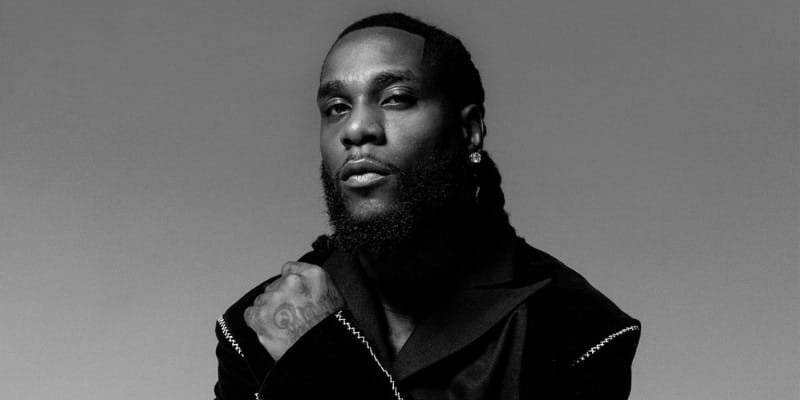
Burna Boy is atop the trend table again after a dramatic end to his performance at the Greater Lagos Countdown Fiesta 2025. A fan crashed the stage, and Burna Boy, visibly shaken and upset, reacted by cutting his set short. While the incident has sparked outrage online with fans criticising his handling of the situation, it is important to note that this is not the first time something like this has happened. It is becoming an unfortunate recurrence.
Burna Boy faced widespread criticism on social media following his January 3, 2023, concert. Fans expressed frustration over his late arrival and condescending attitude towards the audience. The evening took a further dramatic turn when he stomped on a fan who attempted to crash the stage.
Burna Boy has consistently expressed his disdain for fans crashing the stage during performances and has previously reacted strongly to such incidents. Nevertheless, despite his clear warnings and past reactions, some fans continue to disregard his boundaries.
Social media reactions have been divided. Many are criticising Burna for his ‘unprofessionalism.’ Others, this writer included, believe this situation showcases a bigger problem. Fans need to respect artists’ boundaries. Jumping on stage might seem like an innocent act of excitement, but it’s disruptive, dangerous, and disrespectful.
But why do fans continue to crash the stage despite repeated warnings from artists? For some, it’s simply excitement and euphoria as well as a desire for connection with the artist through selfies or even performing with the artist. Some others are driven by their quest for social media clout and fame. Regardless of the motivation, crashing the stage can have serious consequences, putting the artist, backup performers, stage personnel, and even the stage invader at risk.
Performing on stage is an intense process. Artists pour their energy into delivering a great experience for their audience. When someone crashes the stage, it disrupts the performance, throwing the artist off rhythm and concentration. Stage invasions are not just distractions; they pose a safety threat to everyone present, particularly the performers. Such incidents can escalate rapidly, resulting in severe injuries or, as seen in tragic cases, fatalities.
Dimebag Darrell Abbott, lead guitarist and founder of the heavy metal band Pantera, lost his life on December 8, 2004. While performing with his band, a fan stormed the stage and shot Abbott multiple times. Abbott was pronounced dead at the scene.
Comedian Dave Chappelle was attacked onstage by an armed man as he performed at the Hollywood Bowl arena. The man was armed with a weapon, later determined to be a replica handgun that contained a knife blade. Luckily, Chappelle was unharmed.
Ava Max was assaulted on stage during her Los Angeles concert in 2023. A fan video shows an unidentified man slapping the pop star across the face while being heckled down by her security.
This piece isn’t about justifying Burna Boy’s actions; it’s about addressing the root cause of the issue. Fans need to understand that concerts are shared spaces. Enjoy the music, have fun, be excited, but stay where you’re supposed to. It’s as simple as that.
THIS IS THE FULL CLIP OF THE MOMENT BURNA BOY LEFT THE STAGE AT THE GREATER LAGOS AFTER A FAN JUMPED HIM UNPROVOKED. WHERE WAS THE SECURITY? 🤦🏾♂️ pic.twitter.com/pa0EQ4HrBA
Concert organisers are also responsible for ensuring the safety of fans and the security of artists. To prevent stage crashing, organisers must enforce and communicate the consequences of such actions to fans before the event. This can include warnings on tickets, social media announcements, and on-site signage. Effective stage barriers and crowd monitoring and control, as well as law enforcement agencies, will help prevent such incidents.
Affordable meet-and-greets should also be organised to allow fans to connect with their favourite artists and prevent ridiculous attempts to do so by invading the stage.
If we want artists to keep delivering incredible performances, we must be responsible as fans and respect their boundaries. The stage is for the artist, and invading it crosses a line.